
Supply Agreement
The Supply Agreement sets out the relationship between you, a supplier, and the businesses purchasing the products you are supplying.
Last updated February 3, 2025
Suitable for Australia
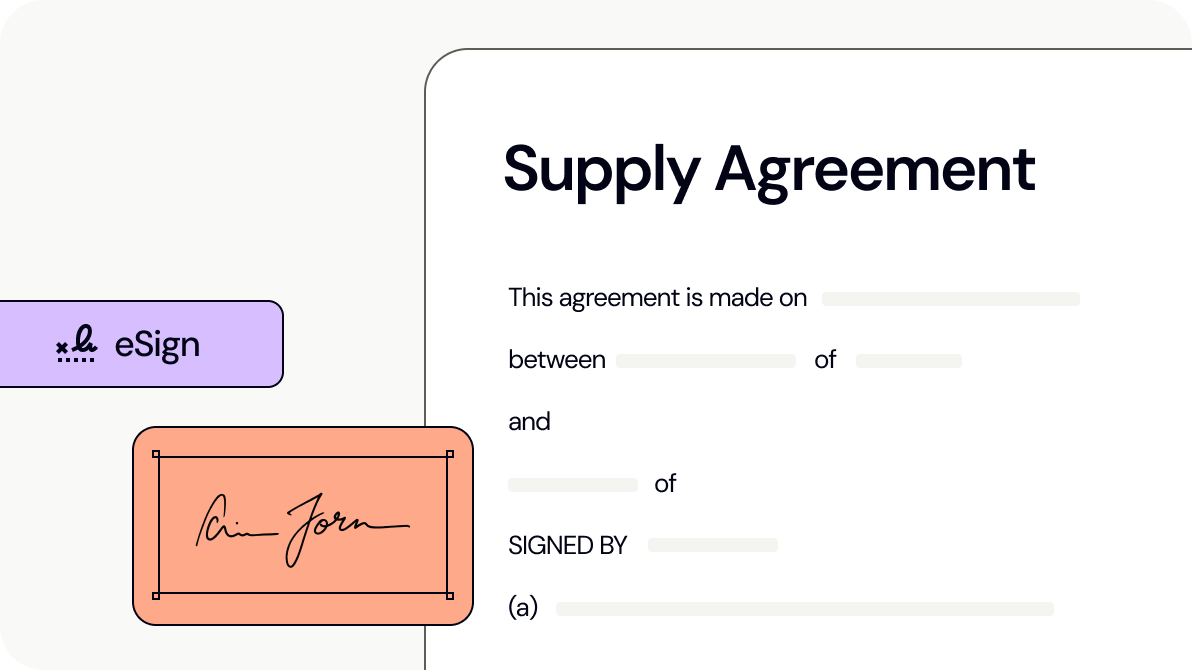
Trusted by Over 650,000 Australians








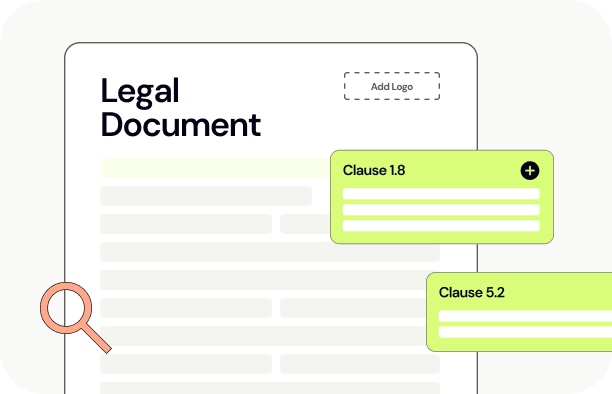
Up-to-date compliance with regulations
Up-to-date compliance with regulations
Laws and regulations are continually evolving, and failure to comply can result in severe consequences for businesses. Our Supply Agreement is constantly updated by legal professionals to ensure it stays up-to-date with the latest laws and regulations in Australia.
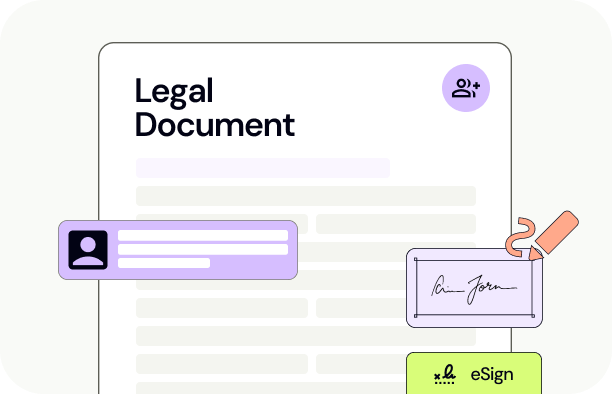
Advanced Al for Personalised Supply Agreement
Advanced Al for Personalised Supply Agreement
Leveraging advanced Al technology and guided questionnaires, we ensure the Supply Agreement is customised to meet the unique needs and specific requirements of your business.
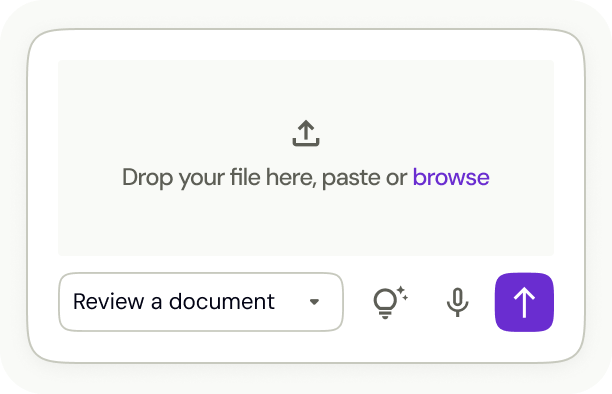
Efficiency and Convenience
Efficiency and Convenience
With a few clicks and by answering a guided questionnaire, we incorporate your responses into a professionally drafted Supply Agreement in under 5 minutes.
How it works
Follow the steps below and you'll have your ready-to-use document in no time

STEP 01
Set up a free account

STEP 02
Search and find the document you need from our list

STEP 03
Follow the prompts and fill in all the relevant details

STEP 04
View and share your ready to use legal document
Document Overview
The Supply Agreement sets out the relationship between you, as a supplier, and the businesses that have purchased products that you are supplying to them. The Supply Agreement also sets out the important legal terms, such as clauses on supply and delivery of products, KPIs and reporting, Indemnities and more. The agreement provides suppliers and their clients with certainty over the supply of products, time, cost, and delivery. This agreement assumes an ongoing supply relationship between the parties, as opposed to a one-off sale. For a one-off sale, use the Sale of Goods Agreement (Short Form).
Transactions involving the supply and sale of goods are governed by state and territory-specific laws, all of which have similar requirements (eg Sale of Goods Act 1923 (NSW); Goods Act 1958 (Vic); Sale of Goods Act 1896 (Qld); Sale of Goods Act 1895 (WA); Sale of Goods Act 1895 (SA); Sale of Goods Act 1896 (Tas); Sale of Goods Act 1972 (NT); Sale of Goods Act 1954 (ACT)) (Acts).
Where an agreement does not cover certain aspects of the transaction, the requirements set out in the Acts will apply. In other words, many parts of the Acts can be excluded through this agreement. Likewise, there are similarities between the requirements in this agreement and those of the Acts. If you are unsure of how the Acts apply to your agreement, you should seek legal advice.
Please note that this agreement on its own does not create any obligations to deliver particular products at a particular time. Rather, it sets up a framework in which orders can be given through conveying the Statement of Work in Schedule 1. This is to create flexibility. Each Statement of Work should be completed as needed with extensive detail.
Schedule 2 allows for KPIs to be provided in terms of the quality and quantity of the products, as well as their mode of delivery. These can be kept as minimal or maximal as parties agree. Additionally, Schedule 3 provides for Ethics and Compliance Standards that must be met by suppliers. Whether these are relevant to the transaction at all will depend on the priorities of relationship between the parties. Minimal standards can include compliance with certain legislation around matters like modern slavery.
Meet Our Users
Use this Supply Agreement if:
- You are supplying products to another party;
- You want to ensure, as a supplier, that the supplying of products to your clients is accurately reported and delivered as planned; and
- You are looking to eliminate any confusion about each party’s rights and obligations.
What does the Supply Agreement cover?
- The nature of the services to be performed;
- Placement of orders and supply of products;
- Insurance;
- Termination;
- Price and payment;
- Confidentiality;
- KPIs and reporting; and
- Relevant warranties and indemnities.
Other names for Supply Agreement include:
- Product Supply Agreement;
- Supplier Agreement;
- Supply Contract.