
Sydney-based consultant, working in data analytics. Formerly Data Analyst at Lawpath.
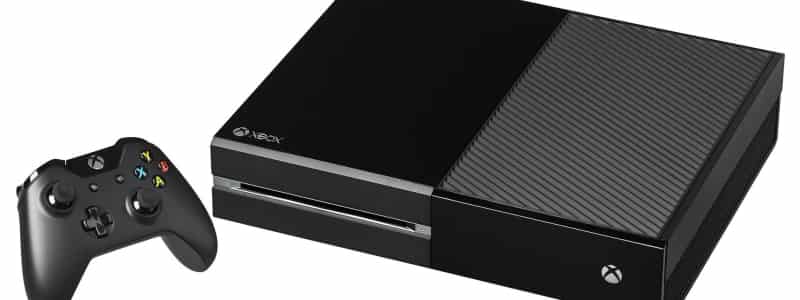
It’s Friday night. It’s been a long week at work, with so many projects and tasks that you feel like your head’s going to explode if you don’t take a break. You boot up your PC and look online for something to do. “Oooh, I’ve been waiting for this game for months!”, you exclaim to yourself as you immediately purchase and download the game.
The download finishes, you kick back, click play, and start immersing yourself into the game world that will unfold right before your eyes. What better way to enjoy a casual Friday night than to enjoy some casual escapism?
Then it strikes – glitches, bugs, you name it, the game is broken. You sigh. A sigh tinged with the broken expectations of a several month wait. You look online at the refund policy. It’s clear what you are getting back – nothing. You aren’t entitled to a refund in any circumstances.
This is what happened for many customers who purchased digital video games from Valve Corporation, on the digital game distribution client “Steam”. But is this really the case? The court decision of the Australian Competition and Consumer Commission v Valve Corporation (No 3) recently had a look at the “no refund” policy of Valve, and questioned whether or not it was legal for Valve to have such a policy.
Full Steam Ahead – The Court Case
The Australian Competition and Consumer Commission (ACCC), as the government watchdog for competition and consumer law in Australia, submitted a claim against Valve in relation to the aforementioned refund policy. Valve submitted the following two defences:
- The video games downloaded by gamers through the service did not amount to a “supply of goods”.
- Valve did not conduct business in Australia, and therefore Australian Consumer Law did not apply to the company’s business.
As such, Valve argued that they were not required to comply with Australian Consumer Law requirements, and could refuse refund requests from any customers.
The judge rejected both of Valve’s defences, putting forward that:
- The sale of computer software that could be played without an internet connection constituted a “supply of goods”.
- Valve was indeed conducting business in Australia, with $1.2 million worth of property, mainly servers, in Australia, 2.2 million subscriber accounts in Australia, and payments made to an Australian bank account of an Australian company.
Overall, this case determined that Australian Consumer Law does indeed apply to foreign corporations operating in Australia, and that Valve was in breach of consumer law by refusing to provide refunds for customers, regardless of the circumstances.
What does this mean?
Rejoice, gamers! This case means that as long as a corporation does have significant business and representation in Australia, we are entitled to a refund under Australian Consumer Law, depending on the circumstances of the good or service supplied. You know the Batman – The Telltale Series game you just bought last night? The really buggy one? Yes, you’re most likely entitled to a refund for that game, as long as your request is a reasonable one.
Overall, this case represents the global scope of the ACL in protecting Australian consumer rights, and has been incredibly beneficial for consumers all over Australia. Keep this in mind if you need to submit a refund or warranty request for any good or service provided to you!