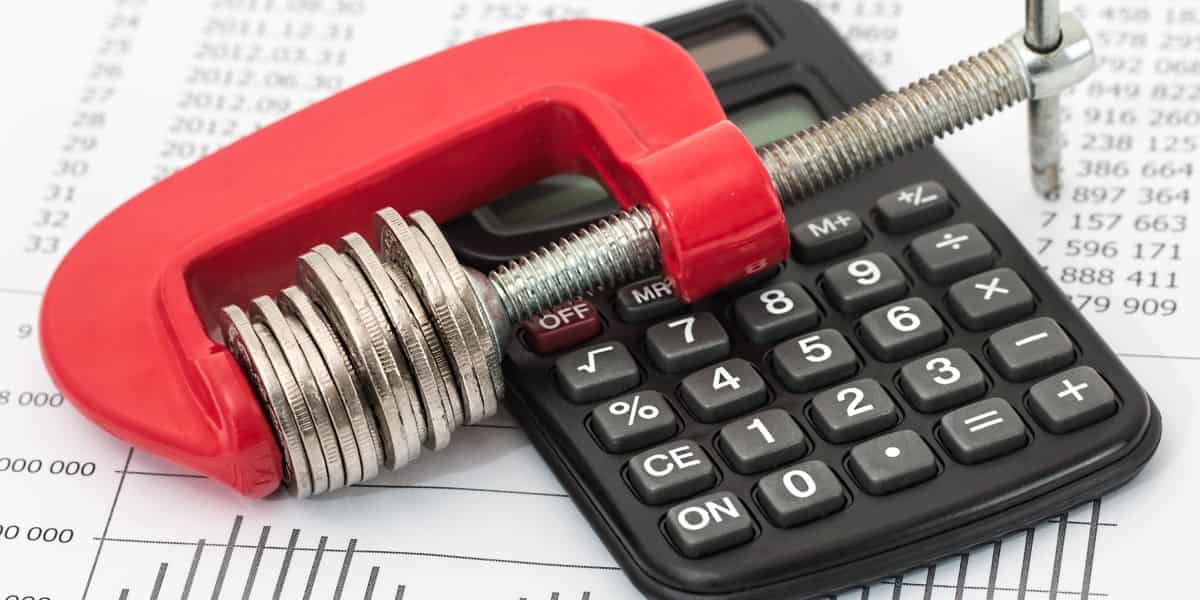
The JobKeeper subsidy was first introduced in April 2020 to assist affected businesses and their employees during the COVID-19 pandemic. This allowed employer flexibility in running their business and also financially aided eligible employees. You might be wondering as an employer whether the JobKeeper Subsidy is merely a loan, and hence whether your business should repay JobKeeper.
To answer your question simply – no, you don’t have to repay the sum of money you have already received. BUT, some businesses may, on a voluntary basis, choose to repay their JobKeeper.
Now you might be wondering, who on earth would want to do that? This can be for a few reasons actually and I’ll take you through why.
1) Mistakenly thinking the repayment will reduce their taxable income
All JobKeeper payments received are taxable income. Your repayment can be deducted from your taxable income in very limited circumstances. Check out Tax Consequences to find out more information but in summary, it can be risky trying to repay the JobKeeper payments in hope to reduce that amount of tax you owe. It is certainly not a guarantee.

Get help with your taxes now
Get a fixed-fee quote from Australia’s largest lawyer marketplace
Find a lawyer2) To repay JobKeeper overpayments
It’s definitely possible for overpayments to arise from an honest mistake. The ATO will decide whether this should be repaid by examining the particular facts and circumstances of each case. Some factors they may consider are:
- There was little public guidance when you made the mistake
- You genuinely relied in good faith
- You fully passed on the payment to an eligible employee
When you allege the overpayment genuinely arose on the basis of an honest mistake, the ATO will similarly consider various factors. A mistake will NOT be considered honest where there was:
- Fraud
- Intentional disregard of the law
- Recklessness
- Deliberate failure in meeting the wage condition
This is not an exhaustive list and if you are still concerned, click on JobKeeper Overpayments to find out more about how the ATO deals with repayments.
3) Just because!
I obviously cannot identify all various reasons that a business may want to repay their JobKeeper subsidy. It may be something they just “want to do”. Maybe they actually haven’t been impacted at all by Covid-19 and feel as though they don’t need the subsidy. Whatever their reason may be, businesses can choose to repay their JobKeeper subsidy on a voluntary basis.
Final Note
Remember that a repayment of the JobKeeper subsidy will not simply reduce your taxable income (which is what many people seem to mistakenly believe). So do your research before you make any decisions relying on rumours. If there has not been any overpayments, you are 100% not obligated to repay your JobKeeper payments. But if you still wish to do so (whatever your reason may be) you are free to do so!
But you must ensure to follow the correct procedure. This is not your typical payment to ATO and it requires a Payment Reference Number (PRN). The repayment cannot be through the usual ATO payment channels. Carefully read through How to Make A Voluntary Repayment on the official ATO website.