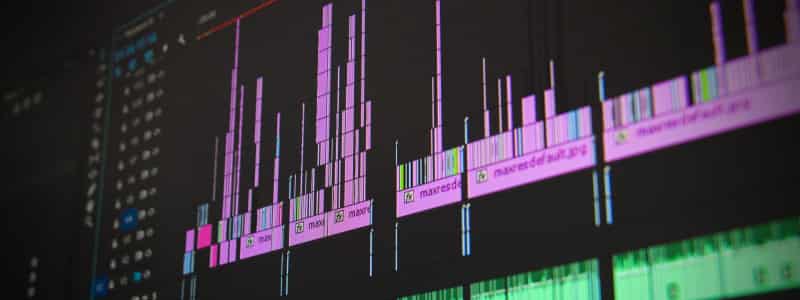
Perhaps you wish to create an advertising campaign for your business with a catchy jingle. An extraordinary sound can help you distinguish your brand. Once you have developed a unique tune or sound, it is worthwhile to consider how you can protect it.
Trademarks protect the distinguishing features of your brand. Given the growth and power of digital marketing, upon developing a sound for your business, it is recommended that you examine whether you have trademark rights with a trademark attorney.
Can I Trademark A Sound?
Yes, yes you can (is the simplified answer). Some well-known companies who have trademarked sounds include Intel, Boost Juice and O’Brien with their O’, ‘O’, ‘O’, ‘O’BRIEN’ tune.
Importance of Trademarks
Trademark grants the owner(s) statutory protection over their brand. This protection allows you to distinguish your goods or services from competitors.
Through LawPath, you can apply online to register your trademark, and then have this application reviewed by a trademark attorney.
Applying For A Sound Mark
Generally, a sound will not be the first aspect of your brand that will require protection, as you will likely invest in developing and protecting your brand name, logo and even a phrase beforehand.
As part of the application process with IP Australia, you will need to submit a sound file when registering for a sound mark. A written description of the sound is also required.
For a small business owner, registering for a sound mark will be difficult as typically only distinctively recognisable and iconic sounds, from big companies or blockbuster movies are registered. However, if you create a sound that can be clearly and uniquely connected with your brand, your sound will be approved.
Life Of A Sound Mark
The duration of a standard trademark is 10 years, but this can be renewed before its end date.
Copyright
Copyright is an alternate form of IP protection for your sound.
Under the Copyright Act 1968 (Cth), copyright is automatically granted in Australia. For a sound, you may wish to attach electronic evidence, for example a recording, to prove ownership of your material.
Generally, the copyright protection on sound recordings lasts from when it was first published, for the life of the author plus 70 years.
However, using a trademark to protect your sound gives you the benefit of renewal, unlike copyright. Hence the lifetime of your sound is best protected with a trademark.
Want to learn more about trademarking a sound? Contact a LawPath consultant on 1800LAWPATH to learn more about how to protect your intellectual property, customising legal documents and obtaining a fixed-fee quote from our network of 600+ expert lawyers.