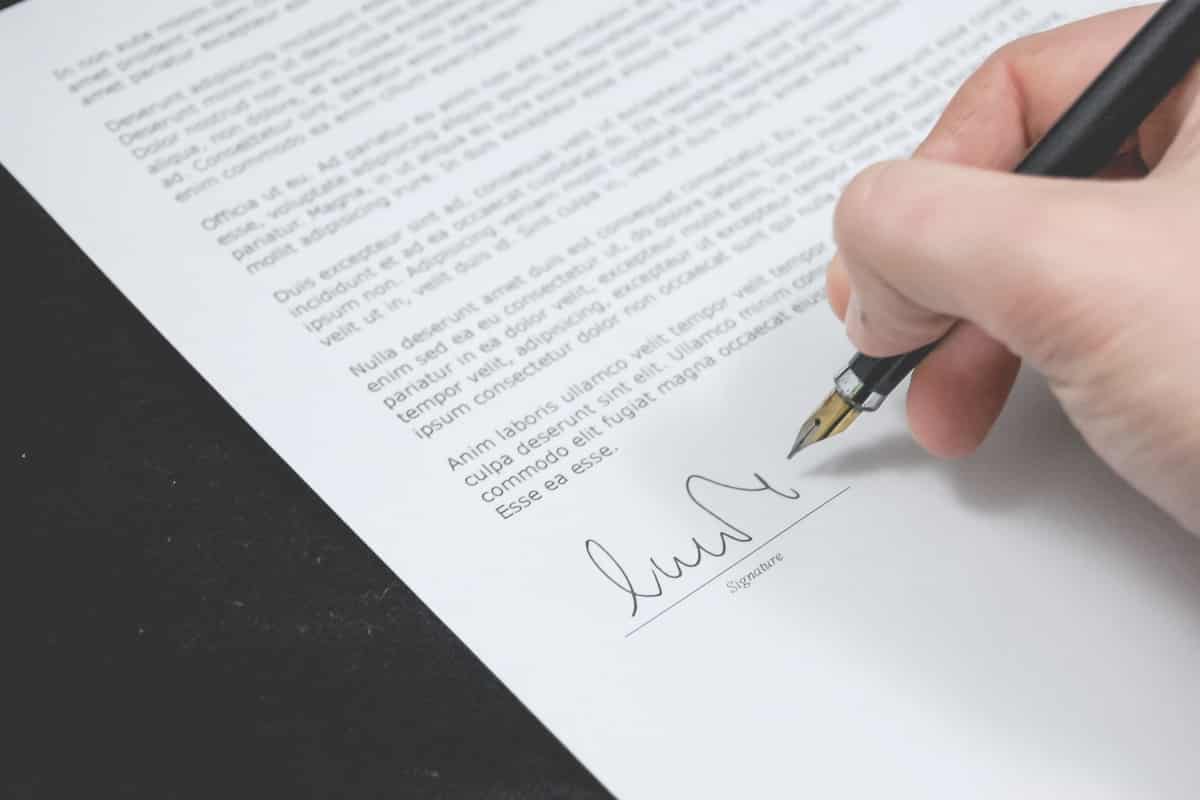
Protecting personal staff information is important for creating a safe workplace. As an employer, you can collect certain details about your staff for your records. However, it is crucial that you know which information can actually be obtained. For instance, if there are breaches to your staff information, there can be serious legal consequences. Making sure you are across all the relevant rules is the best way to keep your employees’ information safe.
Steps to ensure you protect employee information
1. Get familiar with the Privacy Act 1988 (Cth)
The Privacy Act 1988 (Cth) applies Australia-wide and entitles all Australians to the confidentiality of their personal information and the protection of their privacy.
How does this apply to you as an employer? Section 6(1) of the Privacy Act, lists all the information that can be collected for an employee record.
This includes:
- Tax information
- Contact details
- Pay
- Employment hours
Hence, using the Privacy Act as a guide is a great way to legally collect information and prevent breaches of your employee’s privacy.
2. Explain to employees how you use information
An important first step when hiring someone to work at your business is to be open about information use. In your employment contracts, set out a clear clause explaining how information is collected and stored. This works in the same way that a privacy policy explains to website users how you will use their information. Transparency is important for staff to feel comfortable knowing their personal information is protected by their employer. Further, regularly checking in with staff to confirm their personal information is good practice.
3. Limit the Amount of Information Collected
Stemming from the point above, when collecting information from your employees, make sure it’s limited. Only collect the information that you really need to keep an accurate record of your staff details. Storing private employee information is a risk in itself, but obtaining details that are not necessary creates higher security risks. Again, this is all provided in the Privacy Act 1988 (Cth).
4. Provide Access to Information
Under the Privacy Act, private and public sector employee records have different access rights. If you are a public sector business, staff can view their personal information held in their employee record when requested. However, private-sector employers do not have to give staff access to their personal information. Essentially, unless the information is being used for another reason apart from employment, the Privacy Act does not apply. But, it is possible to ask for access to this information under workplace laws. Let your staff know about their rights when viewing their personal information, and the steps to gain access.
5. Securing Private Employee Information
The best way to protect private employee information is to have strict measures to prevent cyberattacks or privacy breaches. Data protection skills and training is important to prevent yourself or your staff from revealing information to third-parties. This includes strong passwords, data encryption, and regular security exercises to prepare your team for possible data breaches. Further, regularly review your security practices to make sure they are up to date and that all staff are across the required information.
Conclusion
As an employer, protecting personal staff information should be at the top of your priorities. Sensitive information provided by your employees is essential for you, but looking after it is also crucial for their sense of security. If you have further questions about protecting your staff’s information, it may be wise to contact a privacy lawyer.