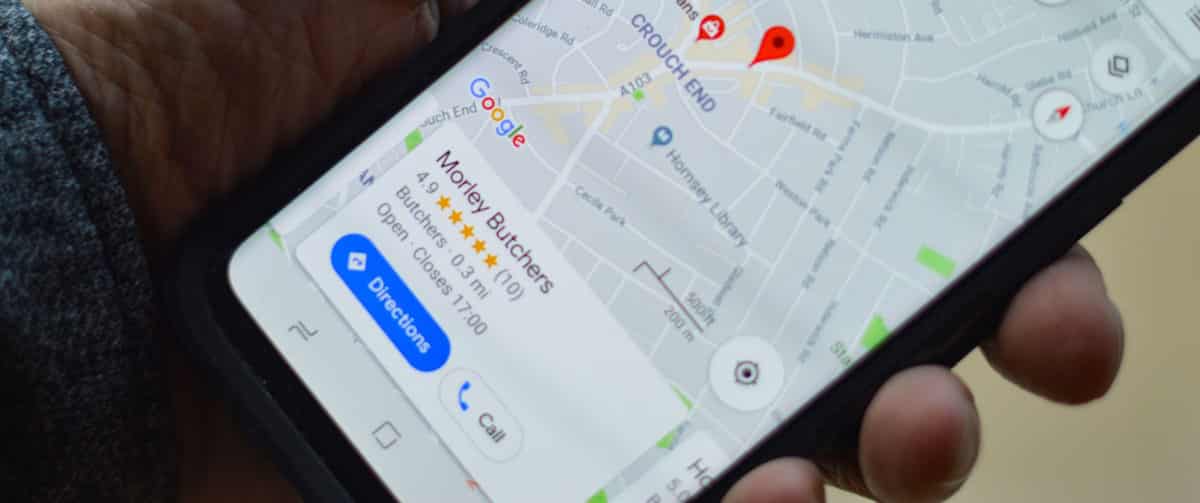
Positive online reviews are becoming increasingly important for businesses. When people search up businesses online, often the first thing they see and look for are their star-ratings and reviews. Such reviews can make or break the reputation of a business. For businesses just starting out or feeling the fallout of a particularly nasty review, paying people to write positive reviews may be tempting. Some companies have already tapped into this market, offering large numbers of positive reviews for a certain price to boost that star-rating for your business. As tempting as this may be, this raises serious legal concerns. Here, we discuss whether it is legal to pay for positive online reviews.
The short answer – yes…and no
Paying a person to leave a review of your product or business is not technically illegal. You could pay a person to consider your product and discuss their thoughts on it. This could be via an online review post, or in a Youtube video. If that person discloses that you’ve paid them and their review of your product happens to be positive, you’re not likely to get in trouble.
However, say that you pay a person to leave a positive review of your product regardless of their personal opinion of it. Perhaps they did not even use the product. The person writes as if they were a genuine customer and had actually experienced using your product. They also don’t disclose that you paid them. This will be deemed misleading or deceptive conduct, and in breach of the Competition and Consumer Act 2010 (Cth). This is because you have been complicit in misleading the public into believing that the review is a genuine positive appraisal of the product. They may then rely on the review to believe that the product is better than it actually is.
In short, according to Australian Competition and Consumer Commission (ACCC), a paid review is misleading if the reviewer has:
- Not used the product
- Used the product but inflated their review of it to receive a financial or non-financial benefit
ACCC guidelines
The ACCC has provided guidelines for businesses to follow regarding paid online reviews. If you are thinking of paying someone to review your products, you should make sure that you as well as the reviewer follow these guidelines, so as to not breach any laws. Some key guidelines are as follows:
- Impartial and honest review – the reviewer should use the product and provide an genuine and balanced review of it
- Disclosure of commercial relationship – the reviewer should disclose that they have been paid by the business to make a review. The disclosure should convey all key information about the nature and extent of the commercial relationship.
- Disclosure featured prominently – the disclosure should be easy for the viewer to read. In the case of written posts, the text of the disclosure should be at least as prominent as the text of the review.
Conclusion
Online reviews have become the currency of online marketing. The more positive reviews your business has, the more attention and customers your business will receive. Given this, the thought of paying a person or a company to write positive reviews for your business may be tempting. While paying someone to review your products is not technically illegal, if you mislead customers by doing so, you will be in breach of the law. So make sure you follow the ACCC guidelines and advertise responsibly.