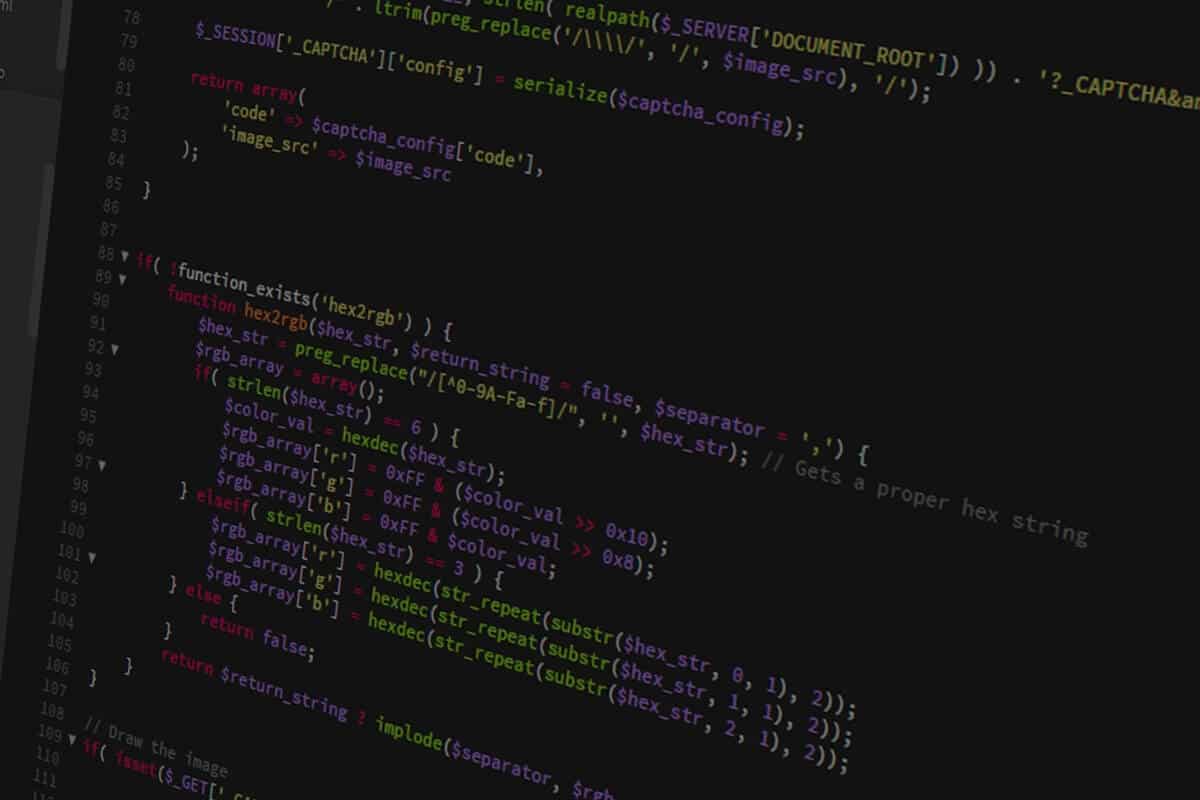
Coding is a hot topic in legal innovation today. You may have been asking yourself as a lawyer: should I learn to code? Indeed there are many benefits of learning to code, however, is coding the way of the future?
It’s like Greek to me…
For any non-programmer out there, it’s difficult to imagine what exactly a jumble of characters on a screen can do. For any legal professional the whole concept of coding can be foreign, confusing, and most of all overwhelming. Not to mention, there are many code languages out there including Java, Python, HTML, JavaScript, Ruby, C++ just to name a few. On the surface it may seem ‘all Greek’ to a legal professional.
However, the truth is that coding shares very similar characteristics to law.
Coding is the law of the computer
What exactly does code and the law share in common? The answer might not be as obvious to a lawyer. However, the fact is computers follows rules which in code language we like to call ‘syntax’. Similar to the English language we use the word ‘syntax’ to describe rules of grammar. For the most part this is how code language works but the fundamental concept is that rules govern the computer. If you make any error on the rule, the consequences might not be as desired. In programming, we call this a ‘bug’ or in others words a computer error. In fact, these errors are often unpredictable.
Similar to the law, coding requires you to follow rules. To apply these rules, certain elements must be met. It can be difficult predicting how the outcome may be. From this you may begin to see how similar coding is to the legal profession. Apply the rules and hope the situation follows in your favour.
What is it like to learn coding?
Indeed the learning curve of coding can be quite steep. However, there are many free and paid online courses that provide an easy, well-paced learning environment for coding. A great language to start off with is HTML, which is the code used for building websites. It’s not difficult to learn, and for freelance lawyers it can be a great way to start up a professional website.
What are the benefits of learning to code?
It’s not difficult to see the growing trend of technology in the legal profession. However, for legal professionals what tends to be overlooked is the inner workings behind innovation in law. The cloud, artificial intelligence, and document automation are just a few of the growing technologies that are all built on computer code. Learning to code opens you to a whole new logic and way of thinking. Like solving a complex puzzle, coding can train lawyers to be excellent problem solvers. Additionally, learning to code provides the following benefits:
- A wider skillset for lawyers of the future
- An awareness for the driving force behind technology
- An opportunity to be creative
- The freedom to test, evaluate and problem solve using rules and logic
Should all lawyers learn to code?
Speaking for all lawyers, the matter of fact is that it depends. Learning to code certainly takes time, but for a busy legal professional time is valuable. Indeed, coding opens you to future opportunities. However, realistically most lawyers will not have the time or master skill to create their own technology.
All in all, it can be safe to say that learning to code is a great way to widen the skillset of lawyers in a future where technology dominates. It can also open up lawyers to communicate more effectively with programmers or coders in the workplace. This is especially valuable considering the growing trend of large law firms embracing technology in the workspace.
Need more information? Contact a LawPath consultant on 1800 529 728 to learn more about customising legal documents and obtaining a fixed-fee quote from Australia’s largest legal marketplace.