
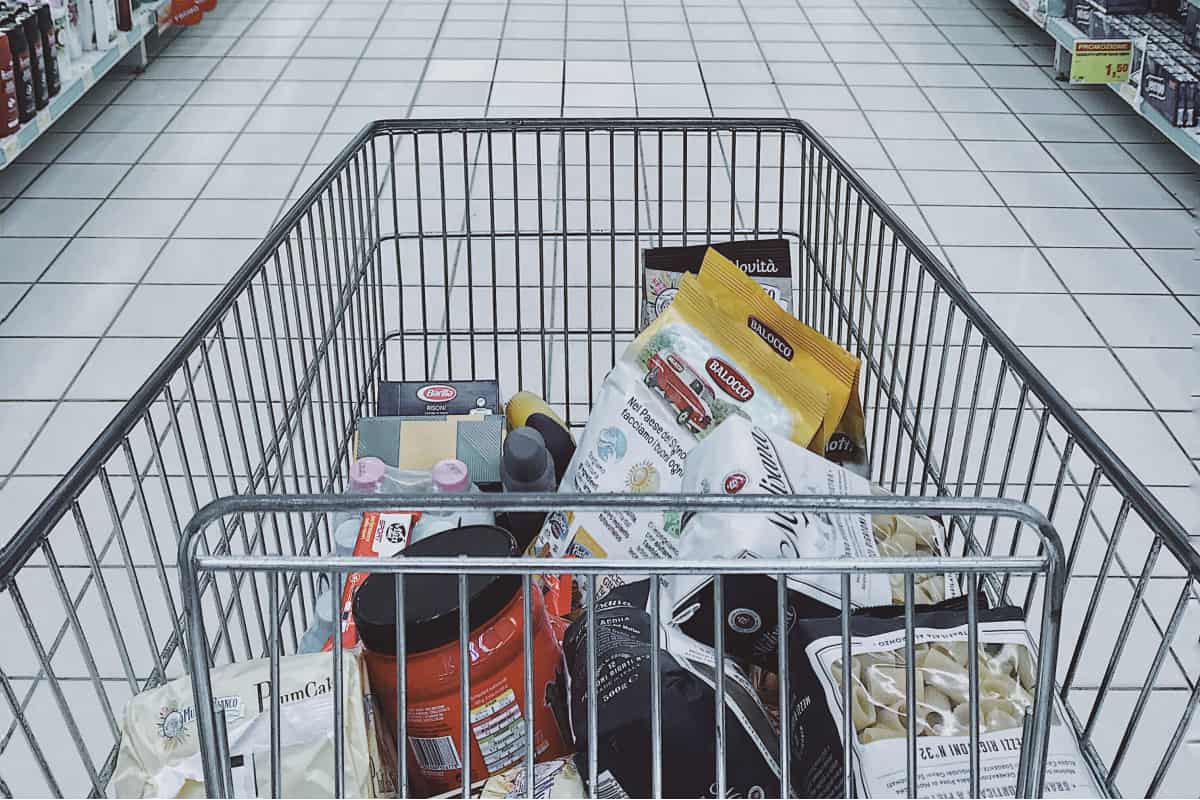
In Australia, food packaging requirements are set out in the Australia New Zealand Food Standards Code. The code outlines information to include on food packaging, and other relevant information.
What is packaged food?
Any food that is for sale in a package has to have a label with specific information presented on it. There are exceptions, outlined below. If your food is sold in a package that has more than one layer, you only need one label. If your product contains smaller packages within a larger one, you don’t need a label unless each small package is intended to be sold separately or is more than 30cm2.
What Information Do I Need to Include on the Label?
As a minimum, you need to include the following:
- Name and street address of Australian supplier
- Name and/or description of the food
- Food recall information
- Ingredients list
- Best before or use-by date
- Nutritional Information
- Country of origin information
- Warning or advisory statements (E.g If the food may contains allergens like peanuts and shellfish you have to declare this on the label)
You have to make sure the essential information is in English, even if the original packaging is in another language. You also have to ensure it’s easy to read.
Which Food Doesn’t Need a Label?
Certain foods don’t need to have a label. This includes foods that is:
- Made and packaged in the same place it’s sold
- Packaged in front of the purchaser
- Whole fruits or vegetables, as long as the packaging doesn’t obscure the nature or quality of the fruit or vegetable
- Ordered expressly and ready to be consumed
- Sold at a fund-raising event
- Sold in an assisted service display cabinet
For example, if you’re selling food in a school, hospital or restaurant then you don’t need to label the food. The only exception to labelling in these cases is where there’s special information relevant to the product. For example, if you’re selling genetically modified foods, particular meat and meat or kava products.
Misleading or Incorrect Labels
It’s really important that you do not make false claims, or give misleading information on your food packaging. If you do, then you could be contravening the Competition and Consumer Act 2010 (Cth).
If you’ve recently started a food business and need any legal advice on setting up your business or selling your products get in touch with one of our commercial lawyers.







