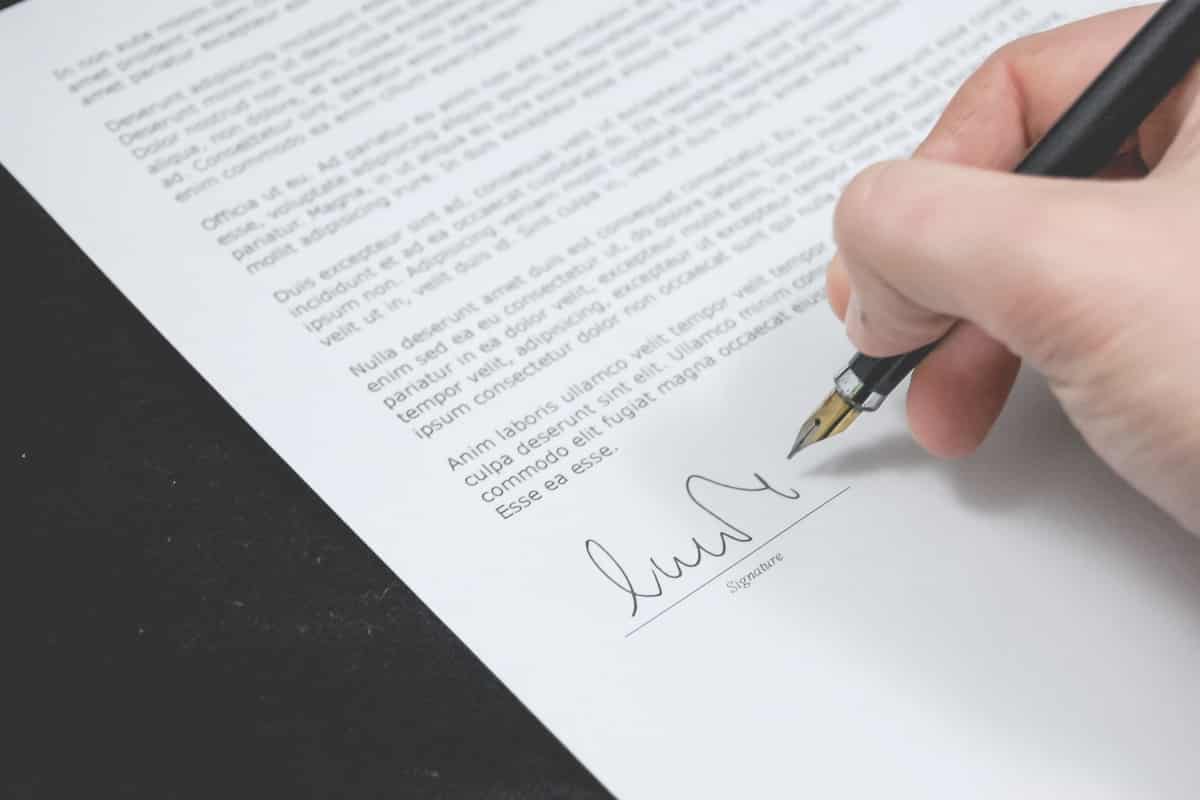
A “grace period” is an amount of time after a deadline where a contractual obligation can be fulfilled without penalty. Therefore, if the obligation is not met by the end of this period, a penalty may apply. Additionally, a grace period can range from a number of minutes through to a number of days. This all depends on the terms and conditions which apply.
Grace periods allow people who typically pay their debts on time to not face a penalty on the odd occasion where they may fall behind. However, some people treat grace periods as the deadline. Therefore, when they cannot pay the debt, they then incur a penalty which results in complaints and dissatisfaction.
Grace Period vs Cooling Off
It’s important to remember that a grace period and a cooling off period are two very different things. In fact, they have nothing to do with one another.
A grace period is an amount of time to obey an agreement before you receive a penalty. In contrast, a cooling off period is a period of time to allow you to think about the agreement. If you change your mind and no longer want to continue with the agreement, you can cancel it and get your money back.
The initial sale of insurance or residential property or rural land may include a cooling off period to allow the purchaser to think about the purchase and the terms of contract they’re to be bound by.
Examples of Grace Periods
Grace period are extremely common and you’l likely experience them in everyday life.
Some examples include:
- Credit card companies sometimes give users a grace period to let them pay back their credit without being charged interest.
- Utility companies also give customers a grace period where they can pay their bill in a set time frame before their service is cut off.
- Another example is by the NSW Government as they recently introduced a 10 minute grace period for parking fines. This applies after paying for at least one hour of parking and receiving a physical ticket or coupon
Grace periods allow consumers to have extra time to pay back a fee or fulfil some other obligation. However, if it lapses, it is likely full penalties will be enforced. If you are confused by particular terms of an agreement or are looking for professional assistance about a contract, it is always a good idea to consult a contract lawyer for legal advice.