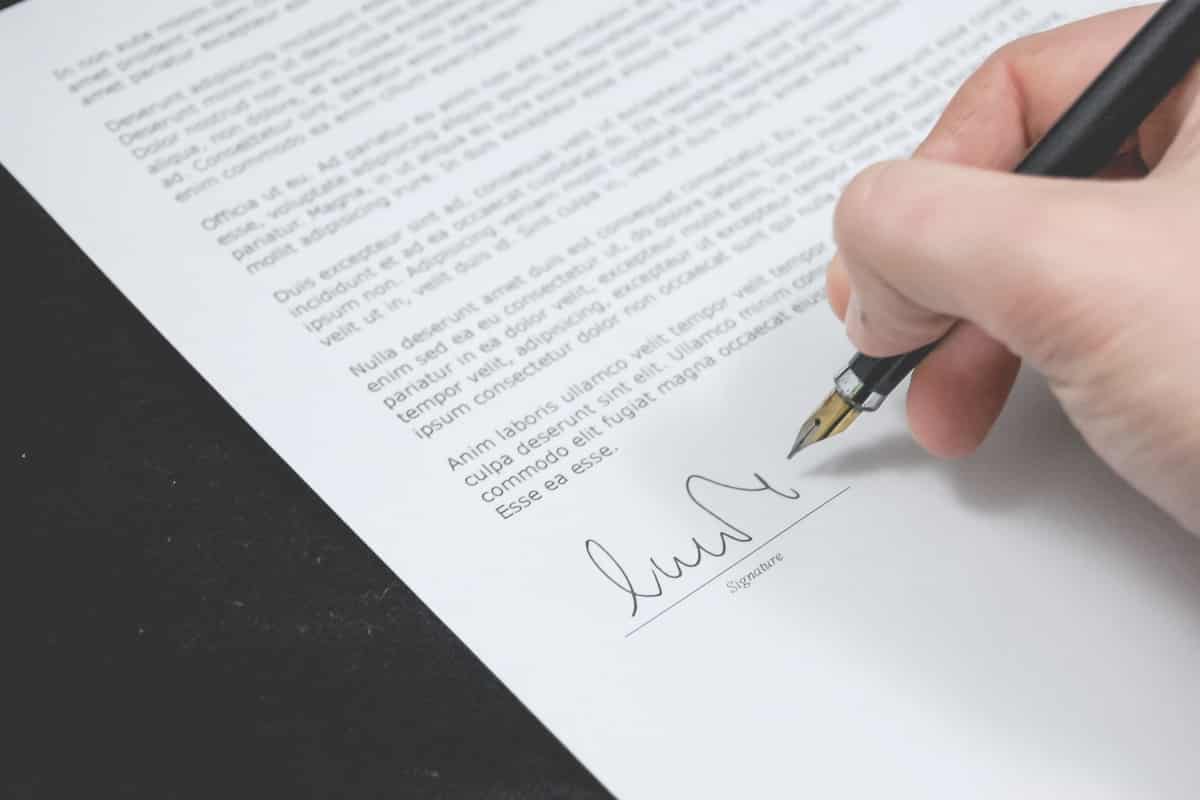
When providing services for hire, it’s important to issue a Services Agreement to anyone you wish to do business with. A Services Agreement reduces the chance of future disputes by confirming what services are to be provided, payment and management of disputes. However, after completing your Services Agreement there are a number of things you should do to make sure you’re legally protected.
1. Make sure it’s signed and dated correctly
Your Services Agreement will only be effective if both parties sign it. It’s important that you only commence work once the agreement has been signed. Doing this will ensure that both you and your client understand all the terms of the Agreement. You should both be aware of the expectations, responsibilities, deadlines and payment owed once the work commences. Further, the grounds or methods of termination should be clear to both parties.
2. Protect your intellectual property
Often, the Services provided in the agreement will involve intellectual property. For example, you might be using a Services Agreement to design a logo for another business. Most Services Agreements include a clause which signs over the intellectual property which has been created. However, you can also use an Intellectual Property Agreement to transfer the IP rights. For any work you do outside of this, protecting your intellectual property by registering a trademark is also a good idea.
3. Understand the difference between a services agreement and a contractor agreement
A Services Agreement covers a broader scope than a Contractor Agreement. As a service provider, you’ll be doing work on a broader basis for a customer. Your client will also be paying you for the services you provide according to your payment terms. Services Agreements are usually between two individuals or businesses, on equal footing. By contrast, a Contractor Agreement is a form of employment contract. An employer usually issues a Contractor Agreement, whereas a service provider issues a Services Agreement. A Contractor Agreement will also include strict deadlines for project completion. Conversely, a Services Agreement does not need to include a deadline or due date.
Finally
A Services Agreement sets out the terms and conditions between you and your customers. Along with ensuring that both parties sign and date the Agreement, it’s also wise to protect your intellectual property and understand how this Agreement differs from employment contracts. If you have further questions around Completing Your Services Agreement, it is recommended that you get in touch with a business lawyer.