
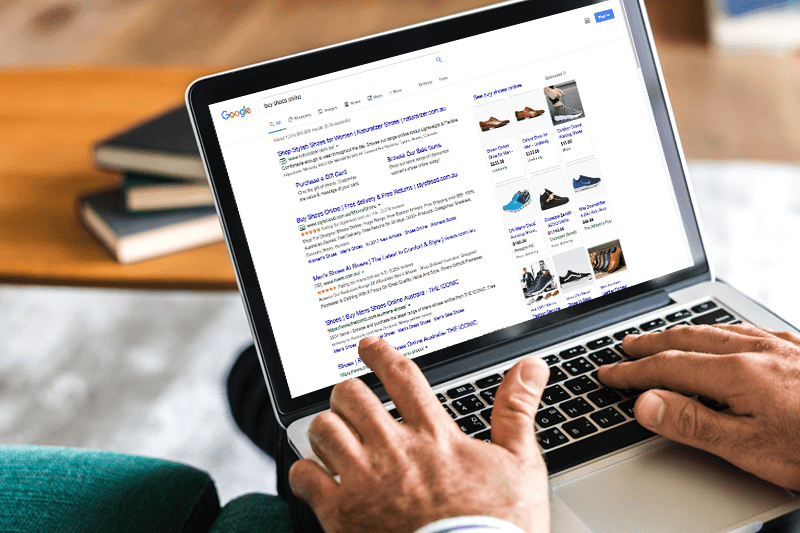
Completing Your Website Terms and Conditions of Use (Goods)
Running an online business has multiple benefits. Firstly, you’ll be able to market your products and services to a wider market than ever before. Secondly, online businesses are a relatively inexpensive way of running your own business. You’ll be able to save overhead costs for leasing a store or office the bills associated. However, just as physical businesses need to alert their customers of their terms and conditions, online businesses need to do the same. After Completing Your Website Ts&Cs of Use, here’s some further steps you can take to ensure your business is legally protected.
1. Protect your intellectual property
Your terms of use will outline how visitors to your site should conduct themselves online. Along with prohibiting misconduct, your terms of use will also include provisions around use of your creative assets. This includes things such as your business logo, name and online content. However, it’s smart to go a step beyond this and secure legal protection for your intellectual property. You can do this by registering a trademark for your business name, logo and slogan. Having a registered trademark for your business’s creative assets will increase your brand value and give you legal options should someone else use them.
2. Get a privacy policy for your website
The other key legal document you need when running a business online is a privacy policy. If you’re selling products or services online, you’ll need to collect customer details through your website. These can include details such as names and email addresses, and more sensitive information such as credit card details. In Australia, businesses which have a turnover of million or more per year are legally required to have a privacy policy on their website. Even if your business has a turnover of less than million per year, it’s a good idea to have a privacy policy to inform customers of how your business will store their information. Further, customers have come to expect that their privacy will be taken seriously online.
3. Make sure your security systems are up to date
Along with having the right legal protections for your website, it’s also wise to regularly update your external and internal systems. As more businesses have moved online, so have cyber crimes. Continually updating your software means that it’ll be less likely that your website will be hacked. If your website is hacked, valuable customer data may be exposed or your website may stop working.
Finally
A Website Terms and Conditions of Use (Goods) document will both tell customers what your policies are surrounding your products, and also terms for using your website. After completing your Website Ts&Cs of Use, it’s also important to ensure that your website and business assets are secure. If you have further questions about launching your business online, it may be worth getting in touch with a business lawyer.






