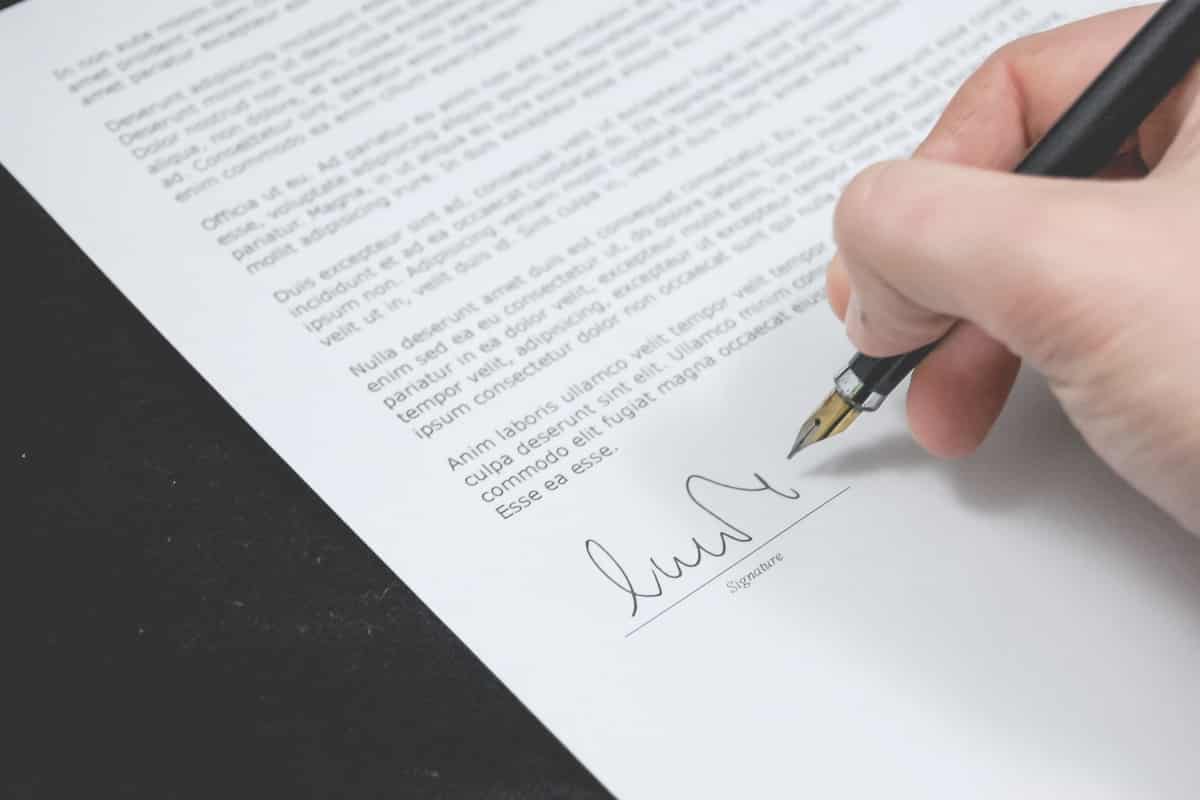
If you are a business, it is prudent to ensure that contractual terms are fair to clients and customers. In this segment, we illustrate how issues of unfairness typically arise particularly from standard-form contracts. We recommend that you seek professional advice from one of our Business Lawyers if you need to draft a business contract or have one reviewed.
This week, consumer watchdog, the ACCC announced that it has commenced legal proceedings against Servcorp for unfair terms in their standard-form contract.
Founded in NSW in 1978 and now a listed company, Servcorp is a supplier of serviced office space and virtual office services including office suites, secretarial services, IT communications and personal assistants. The company targets small to medium enterprises (SMEs), particularly those that are expanding to new locations.
The ACCC has raised its eyebrows when allegations arose that Servcorp have entered into unfair standard-form contracts with small businesses. One of the tenants claimed that not only has their contract been renewed without their approval, their rent increased from $2,900 to $4,800.
After reviewing the contracts, the ACCC in their report summarized that the unfair terms were those that:
- Allowed Servcorp to automatically renew their clients’ contract and raise prices without prior notice.
- Allowed Servcorp to unilaterally terminate the contract and impose penalties.
- Allowed Servcorp to unilaterally determine when the contract has been breached.
- Shifted an unreasonable amount of liability has been shifted from Servcorp to the clients.
- Allowed Servcorp to unilaterally acquire the client’s property without any notice.
The ACCC is seeking declarations that Servcorp’s contract clauses were unfair and void as well as injunctions, publication orders, compliance program orders and costs.
What is a Standard form Contract?
A standard-form contract is a contract prepared by a business to be used repeatedly in similar scenarios. These contracts have the benefit of removing cost and time involved in negotiations and are the typical “accept or decline” type transactions. Examples include your iTunes terms and conditions, Amazon user agreements, Qantas Terms of Carriage, etc.
There are however issues of client vulnerability. This vulnerability stems from the fact that the contract is only drafted by one party without any form of discussion or negotiation. To illustrate, take these considerations from the standpoint of a customer/client:
- How often do you read the terms and conditions or user agreements?
- Do you find the words difficult to understand?
- How much bargaining power do you have if you disagree and want to negotiate a term in the contract?
- Are you really going to not buy that iPhone you have always wanted, because of the terms and conditions?
In effect the contract drafter has the decided ability to strongarm the consumer when something happens.
According to research conducted by the ACCC, this issue is more amplified in B2B transactions with ⅔ of small business have claimed to have experienced unfair contract terms, while half of them have experienced harm as a result. The report partly instigated the introduction of new legislation on 12 November 2016, which protects small client businesses from such unfair contract terms. To find out more, read our previous guide on unfair contract term legislation.
Key Takeaway
It is important to familiarise yourself with news laws and ensure that there are no terms that could potentially be considered unfair. It is always recommended that you seek professional advice from our Business Lawyers if you intend to draft a business contract or review an existing agreement.
Need to draft a business contract or have one reviewed? Seek professional advice from our marketplace of Business Lawyers.
Contact a LawPath consultant on 1800LAWPATH to learn more about customising legal documents, obtaining a fixed-fee quote from our network of 750+ expert lawyers or to get answers to your legal questions.