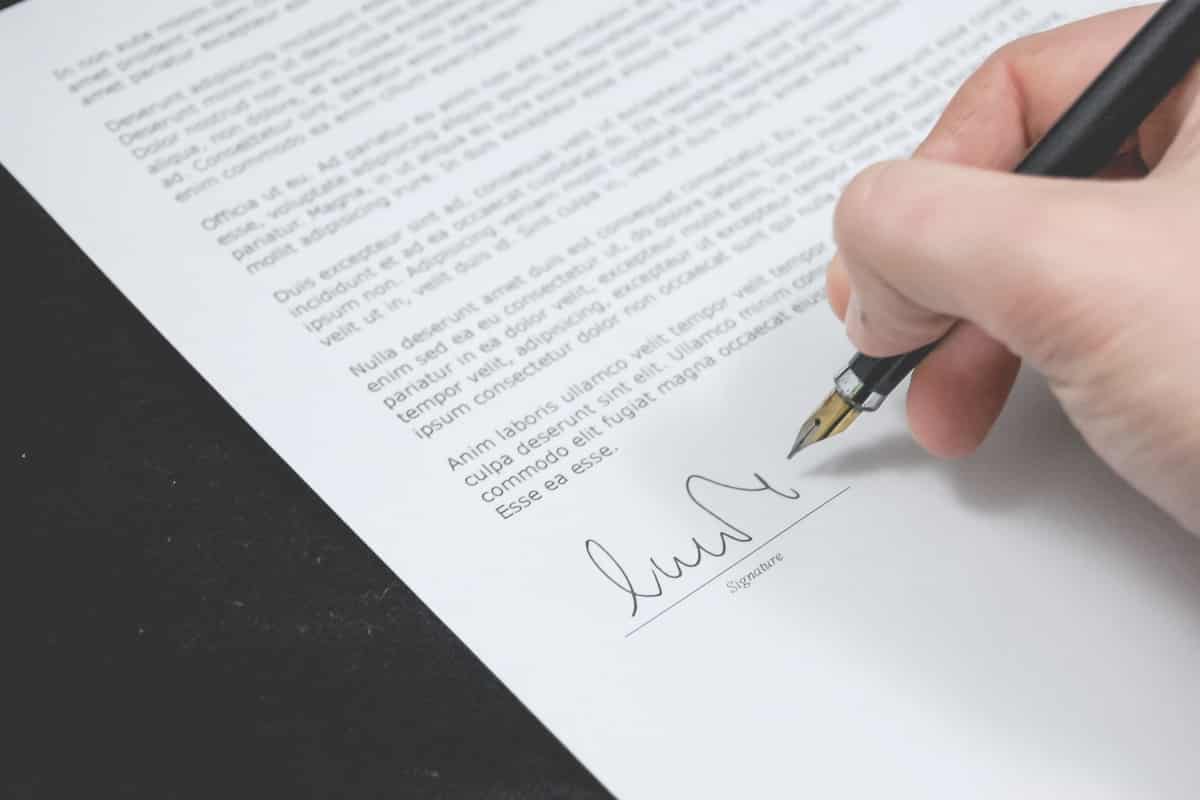
Electronic signatures (eSignatures) are an alternative method to ink signing a legal document. There are no legal distinctions in place to differentiate between wet ink signatures and electronic signatures. But for an electronic signature to be legally enforceable, it must meet certain requirements.
What is an eSignature?
An eSignature (short for electronic signature) refers to a signature that is created digitally. eSignatures carry the same intention as a handwritten signature. Therefore, the use of e-Signatures is indicative of the person accepting to be legally bound by the document.
Are eSignatures legally enforceable?
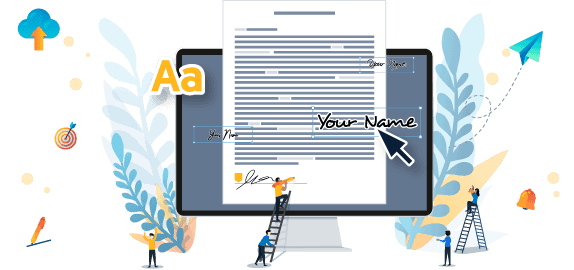
Yes, eSignatures are legally enforceable. To elaborate, the Electronic Transactions Act 1999 (Cth) regulates the use of electronic signatures. However, there are several criteria that electronic signatures must fulfil to be considered legally enforceable. These are:
- There must be consent by the recipient to receive the documents through electronic means
- Electronic signatures must be able to identify the individual who is agreeing to the document
- Document must clarify that the eSignature placement means that the person is accepting the document
- Must be reliable and also appropriate for the document’s purposes
Whilst this is an effective method of signing most documents, there are some documents that should not be electronically signed. For example, migration or citizenship documents, wills and power of attorney documents. Further, you should consult a lawyer if you are unsure if your eSignature will be legally enforceable on a document.
Potential risks
Similar to handwritten signatures, there is the risk that an eSignature can be forged. However, encrypted eSignatures that are stored safely online are less susceptible to forgery than handwritten signatures. It’s important when using an eSignature that you do so within a platform or piece of software that also protects your data. An additional step you can take is to keep your signature in a password-protected folder on your laptop or phone.
For documents that need to be witnessed, the same rules apply as hand-signed documents. That is, if you’re eSigning a document, your witness must also be present and then eSign the document themselves.
Final Thoughts
eSignatures are a modern and convenient way to sign documents online. As with signing any document, you should be mindful of what you’re signing. In essence, e-Signatures are legally enforceable in the same way that hand-signed documents are.