
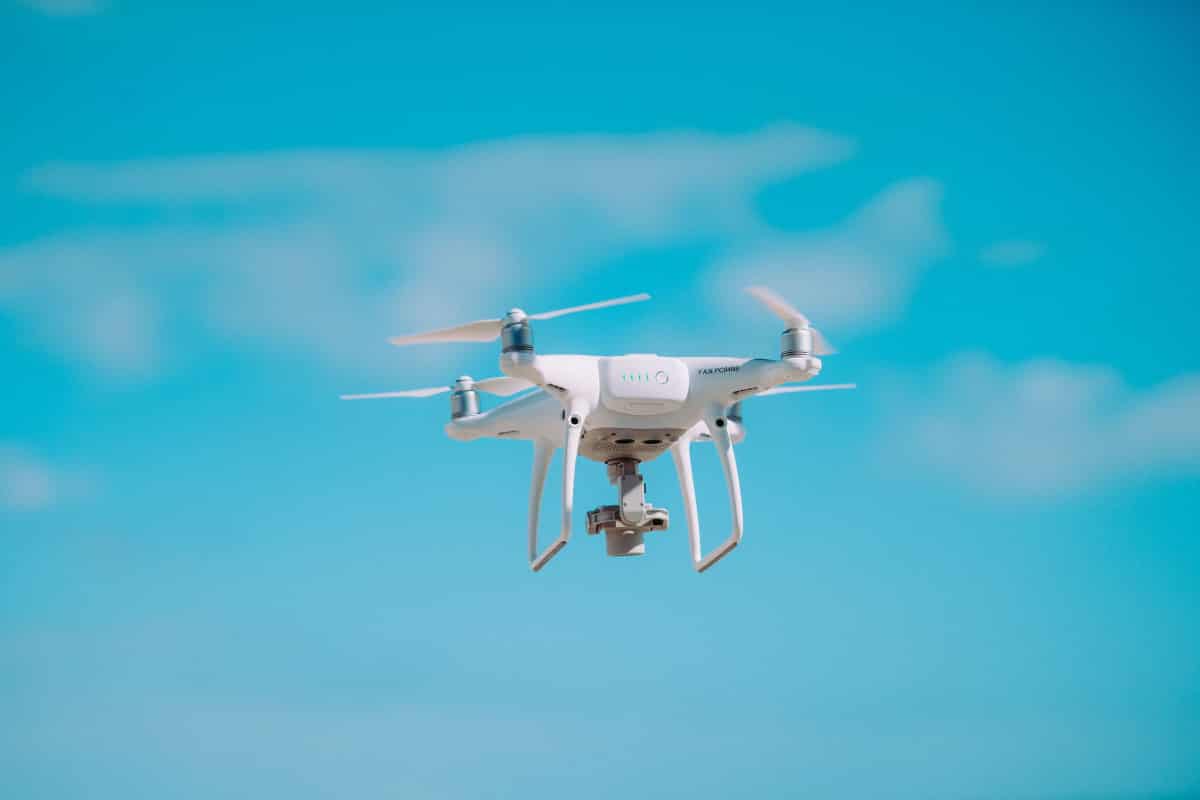
Drones, or remotely piloted aircraft (‘RPA’s), have proven to be invaluable tools for businesses in a range of industries. You may have contemplated investing in an RPA to improve your processes and services. This could definitely be beneficial for your business, especially if you operate in industries such as photography, agriculture or land surveying. However, operating a drone for business purposes requires you to abide by strict rules, in accordance with the Civil Aviation Safety Regulations 1998. As such, it is important that you make sure everything is in check so you don’t incur any penalties. In this guide, we take you through what you need to know to ensure you are operating your RPA with the correct qualifications.
Drone classification
RPAs are classified according to their size. The first thing you need to do is to decide which category your drone falls under:
- Micro: 250 grams or less
- Very Small: greater than 250 grams, less than 2 kilograms
- Small: greater than 2 kilograms, less than 25 kilograms
- Medium: greater than 25 kilograms, less than 150 kilograms
- Large: greater than 150 kilograms
The weight of your RPA will determine whether you require a licence, registration or certain accreditation to fly.
Licencing
Obtaining a remote pilot licence (RePL) allows you to fly your RPA for business purposes in circumstances that need specialist training. You require a licence if:
- Your drone is larger than 2kg (Small, medium or large). However, you will not need a licence if your drone is in the small category and you wish to fly it over your own land. It is your own land if the land is owned or occupied by the owner of the drone.
- You wish to fly outside the drone safety rules, even if your drone is in the smaller categories.
If any of the above circumstances apply to you, you will also need to either apply for a remotely piloted aircraft operator’s certificate (ReOC), or be employed by a ReOC holder as a remote pilot. Remember, these are rules for operating a drone for commercial purposes. If you wish to fly for sport or recreational purposes, you do not need an RePL.
Applying for a RePL requires you to obtain an aviation reference number (ARN) and complete the required training. Further information on how to do so can be found here.
Drone registration
All drones flown for commercial purposes (that is, for business or as part of your job) require registration. To register your drone, you need to be 16 years and over, and have an ARN. Note that if you do not intend to fly the drone, or are flying for sport or recreation, you do not need to register your drone.
Registration is quick and simple and can be done here. Registration will be valid for 12 months.
Accreditation
All RPAs flown for business purposes that are excluded from the licence requirement need operator accreditation. Remember, the excluded categories are: micro, very small, and small (if flown over your own. Accreditation is also quick and simple and can be done here. It is important that you obtain accreditation before flying. Flying without being accredited can result in a fine of up to $11,100.
Final thoughts
Flying a drone carries the risk of causing harm to other individuals, and it is, therefore, important to make sure you operate your drone legally. This goes beyond obtaining the correct licencing, registration and accreditation. You need to make sure that you are aware of the drone safety rules so the risks can be minimised. If you are still unsure of whether you are operating your drone legally, we recommend seeking the advice of a lawyer.






