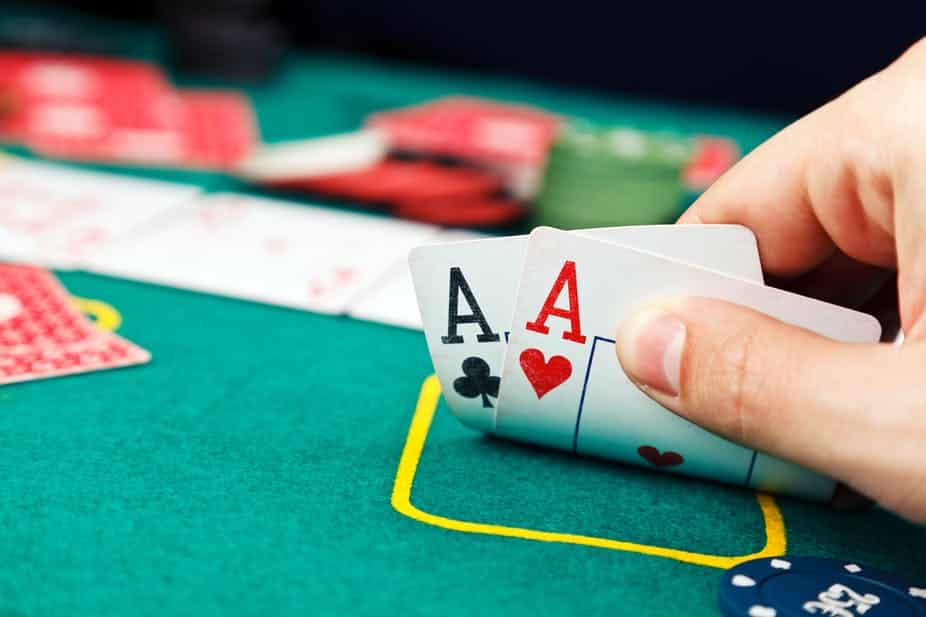
Whether a game is a game of chance or a game of skill can determine if it is legal in many states. NSW laws allow people to pay money to participate in games of skill, but forbid them from paying or gambling to enter games of chance.
What is Gambling?
The Macquarie Dictionary defines ‘Gambling’ as “to gamble is to play at any game of chance for stakes. To stake or risk money, or anything of value, on the outcome of something involving chance.” Therefore, the legislation strictly states it includes “gaming, betting or wagering”.
What is the difference between a Game of Skill vs Game of Chance?
Indeed, games of skill and games of chance often are indistinguishable. You might think that games will have elements of both skill and chance which is true. But whether it is a game of chance or skill, it will depend on a dominant element. In short, the main difference revolves around a dominant element that serves as an important factor in determining the outcome of the game. This factor includes:
- A Developed or Practicable Ability
- Strategy or Tactic
- Physical Coordination
- Technical Prowess
- Knowledge of How to Accomplish A Task
Games of skills are associated with having a physical or mental attribute that determines the final outcome. Such games may include:
- Poker
- Chess
- Checkers
- Pool and Darts
Why is Poker a game of skill?
In Poker, the outcome is dependent on the technical skills of the participant. There is a limited element of chance that plays a small role. Ultimately, the law has determined that the element of chance is negligible. Thus, it considers poker as a game of skill.
Skills-based competitions
Moreover, another type of ‘games of skill’ are competitions or processes that require a participant to submit something or answer a question in order to win or be selected for a prize. A judge or panel of judges usually determines the winner.
Gambling Laws
First of all, there is no uniform law regulating gambling in Australia. Legislation regulating gambling activity exists at both State/Territory and Federal level.
The state legislation concerning the regulation of gaming machines and public lotteries such as:
- Betting and Racing Act 1998 (NSW)
- Casino Control Act 1992 (NSW)
- Gaming Machine Act 2001 (NSW)
- Lotteries and Arts Union Act 1901 (NSW)
- Public Lotteries Act 1996 (NSW)
- Unlawful Gambling Act 1901 (NSW)
What are Games of Chance?
Games of chances are defined where a player is playing against the house. These include:
- Slots and Casino table games such as roulette or blackjack
- Bingo or electronic bingo e.g Keno
- Betting including horse sports or fantasy bets
- Lotteries
Which organisations regulate betting and gambling?
First of all, the Independent Liquor and Gaming Authority (IGLA) is the independent decision maker that is responsible for a range of casinos, liquor, registered club and gaming machine regulatory functions.
Following, the Liquor and Gaming NSW (L&GNSW) is the state authority body responsible for policy, licensing and compliance.
Thirdly, The Australian Communications and Media Authority (ACMA) is the federal authority body responsible for monitoring and enforcing regulation of interactive gambling laws.
Online Betting
The federal interactive gambling laws prohibits:
- Online casinos, slot machines and poker
- Online wagering services that accept ‘in play’ betting on live sports events
- Wagering services provided without a license
- Online instant lotteries
What about Raffles?
In short, a trade promotion lottery is a free-entry lottery to promote goods or services supplied by a business.
Lawpath has provided an analysis about an interesting case regarding gambling and lotteries.
The bottom line
NSW is one of the strictest states in Australia and globally with stringent policies and regulations regarding gambling. To ensure that you comply with the law, be alert and aware of the policies put in place by the state and federal government.