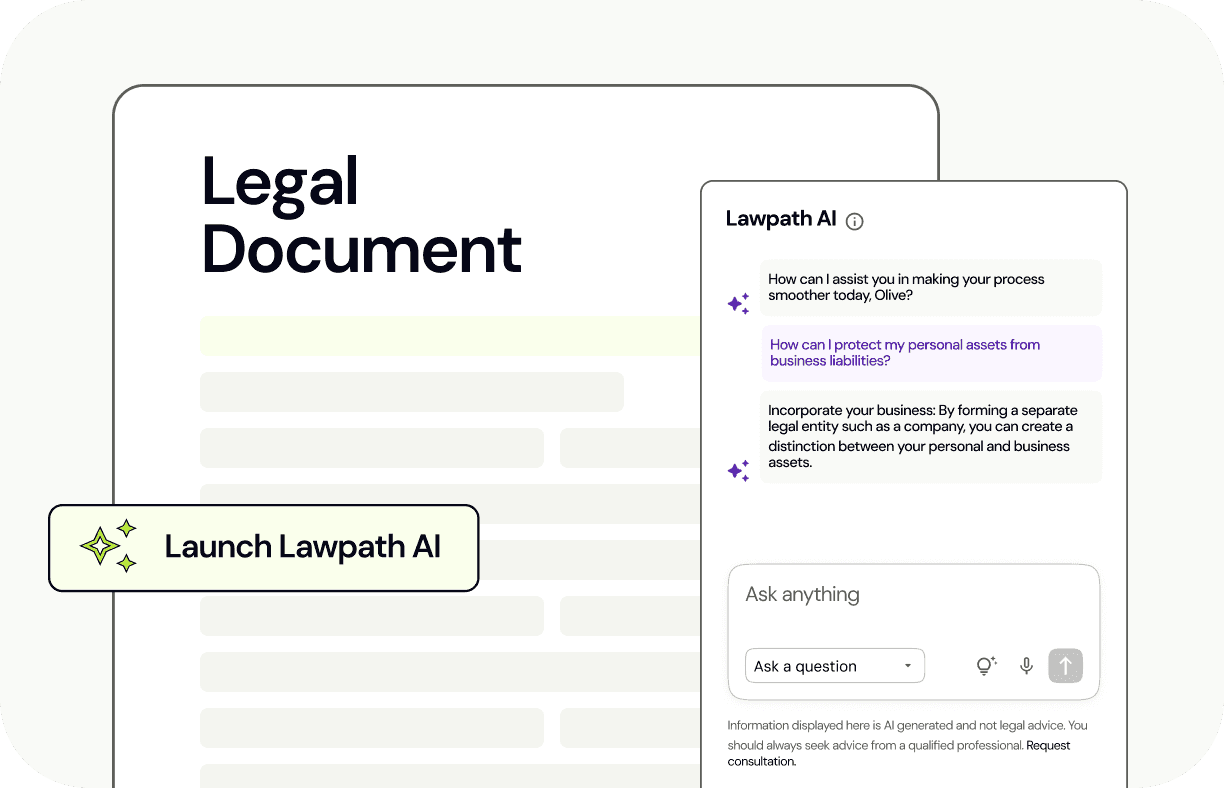
One of the major responsibilities you hold as director of your company is to not trade while insolvent. Doing so means you, as the director, are liable for any debts the company incurs. This changed in September 2017 with the introduction of the Safe Harbour Principle to the Corporations Act. This law protects directors who take actions that are in the best interest of the company from being personally liable for any debts the company incurs as a result.
What has changed?
Traditionally, once a company became insolvent, directors really only had two options; voluntary administration or liquidation. Taking any other course of action which incurs debt to the company would be detrimental for the director. This is because, under the Corporations Act, a director is personally liable for any debt the company incurs after insolvency.
The Safe Harbour Principle now protects directors who take steps to find a better alternative (i.e. other than voluntary administration or liquidation) to not be liable for any debt the company incurs as a result.
What is the Safe Harbour Principle?
The Safe Harbour Principle operates on the basis that so long as a director’s actions are reasonably likely to lead to a better outcome for the company, such as improved financial standing, any debt the company collects as a direct or indirect result of that action is not recoverable against the director.
When is an activity considered to lead to a better outcome for the company?
- When the director is informed of the financial status of the company
- Where the director ensures employees are not acting in a way that harms the financial status of the company
- Where the director ensures the company is keeping relevant financial records based on the size and nature of the company
- When the director is obtaining advice from a qualified professional
- When the director is developing or implementing a plan to improve the financial position of the company
The safe harbor period ends when one of the following are satisfied:
- When a director fails to act within a reasonable period of time of suspecting insolvency
- When the director stops doing the activity that leads the company to a better outcome
- If the activity is no longer reasonably likely to lead the company to a better outcome
- At the appointment of a liquidator or admnistator
What does this mean for directors?
The Safe Harbour Principle stops companies from going to into voluntary administration or liquidation prematurely if an alternate plan can lead to a better outcome. As a director, whatever debt the company collects as a result of implementing ‘the plan’ is no longer your liability. The defense only lasts as long as you are developing or implementing a plan that leads to a better outcome than administration or liquidation. If the ‘better outcome’ is no longer better than immediate administration or liquidation, the safe harbor provision ceases.
To get comprehensive advice on your duties as a director, get in touch with a business lawyer today.
Unsure where to start? Contact a LawPath consultant on 1800 529 728 to learn more about customising legal documents and obtaining a fixed-fee quote from Australia’s largest legal marketplace.