
Introduction
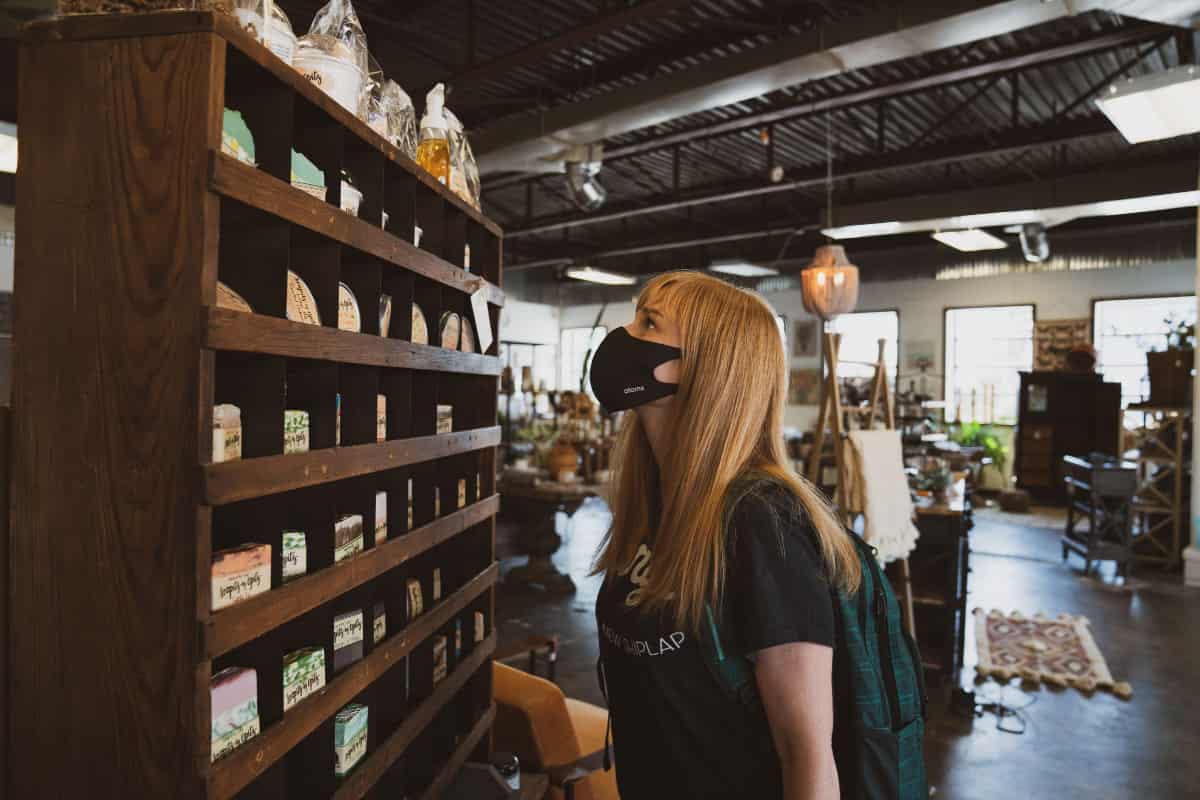
The COVID-19 pandemic quickly resulted in an economic crisis that none of us saw coming. Among the industries that faced the hardest economic hit was the in-store retail sector, which had been on the decline due to the acceleration of eCommerce. While some stores temporarily shut their doors because of lockdown orders, others closed forever. Small businesses were particularly vulnerable in the peak of the state emergency. The crisis isn’t over yet, with physical businesses being subject to strict government rules. Here we’ll outline how you can make sure your retail business is COVID safe and set yourself up for the future.
Retail in the wake of eCommerce
According to the Australian Bureau of Statistics (ABS), the retail industry’s turnover dropped by 17.9 per cent in April 2020. Following this significant decline came the introduction of JobKeeper, which saw 60 per cent of businesses register their employees. JobKeeper supports approximately 6.6 million employees nationally and 910,055 businesses to help business get back on their feet. With JobKeeper due to expire at the end of March 2021, it may be difficult to stay afloat whilst also ensuring your retail business is COVID safe. However, it’s crucial that businesses get it right, as significant penalties apply for those who break the rules.
Future-proofing your retail business
1. Implement a COVID-19 Safety Plan
Firstly, it’s crucial that you have a COVID-19 Safety Plan and register your business as ‘COVID Safe’. You can easily access a COVID-19 Safety Plan here which specifies a plan for retail and grocery. Having a COVID-19 Safety Plan shows your business’ commitment to doing their part in stopping the transmission of COVID-19. This will, in turn, make your customers feel comfortable with entering your store or premises. Ensure that your COVID-19 Safety Plan highlights your business’ commitments to the following:
- The wellbeing of your staff and customers;
- Social or physical distancing and square metre rules that apply;
- Good hygiene and cleanliness; and
- Contact tracing through the COVIDSafe App.
2. Register your Business as COVID Safe
For further guidance on creating a COVID-19 Safety Plan, you should refer to your state’s health guidelines in order to be sure your plan covers all bases. With face masks being mandatory in retail, shopping centres and supermarkets across Greater Sydney, make sure you have the appropriate signage in your store. Once you have submitted your COVID-19 Safety Plan, then you can register your business as ‘COVID Safe’ and get access to a personalised business QR code and other COVID Safe resources.
3. Focus your Business Continuity Plan on Crisis Management
Now, that you’ve completed the necessary steps to ensure your retail business is COVID Safe, let’s talk about how to take a crisis management approach. Given the drastic change to our lives as we now know it, there’s never been a greater time to incorporate crisis management into your business continuity plan to manage risks and disruptions. Here are a few things you may want to consider doing in today’s crisis-like climate so you can effectively continue retail business operations:
- Assess your business’ level of preparedness: What are the current risks to business operations and how will this impact the business?
- Update your business’ policies to protect the health and safety of your employees and make this a top priority (refer to COVID Safety Plan);
- Have a plan in place to identify and support employees with COVID-19 symptoms. This can be done through employee safety monitoring;
- Ensure technology readiness to meet consumer demands; and
- Collect feedback from your staff on changes to business operations and how to improve it.
Create your own Business Plan for free.
Customise, update and download our Business Plan.
Get started4. Consider Retail Analytics
Data analytics are transforming the way business is conducted and can also be extremely useful for in store retail businesses. Most Point of Sales (POS) systems are mainly used for recording the time and place that a sale has been made to a customer. More modern POS systems actually contain reporting systems that help you understand your customers. For example, a POS system such as VEND that’s tailored to small business reporting may be suitable.
Updating your POS that comes with business reporting can help you manage stock and inventory more effectively. Additionally, you may want to ditch paper receipts to lessen physical contain in store and find a POS system that gives customers the option to have their receipt emailed or texted to them. A newer POS system also allows you to see what products are selling better than others, who your regular customers are and problem areas that can be improved. This is crucial to grow your retail business and secure its future.
5. The Power of In-store Feedback
Lastly, don’t underestimate the power of in-store feedback. You might think that allowing customers to give feedback might backfire on your business. But that’s not the case and it can actually help you evolve with your customers. You can simply create a business feedback form without any cost on Google Forms. Or if you want to invest in surveys that can be conveniently conducted on your eftpos machine, there are multiple softwares such as TruRating that allow you to do so.
Final Words
It’s clear that the COVID-19 crisis has caused major disruption to the health of businesses and tested their resilience on a global scale. However, there’s no reason your business can’t bounce back and in the long run come out even stronger. Don’t hesitate to contact a Lawpath business lawyer for expert advice on dealing with disruption to business operations today.






