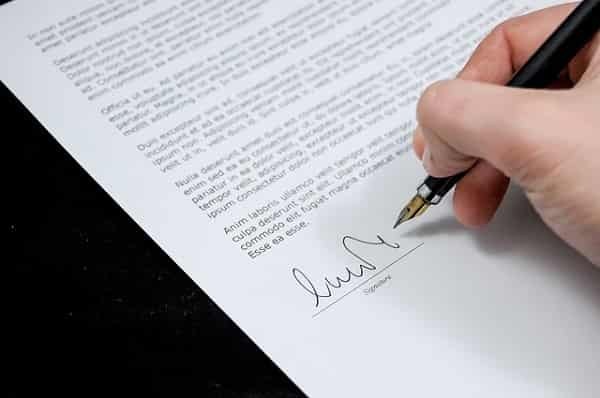
A Services Agreement is a document that defines the business relationship between the client and your business. Hence, it reduces the chance of future disputes. This agreement specifies the rights and obligations of the parties. Further, this article will explain the main terms of the agreement.
What terms does it cover?
These are some terms that it can cover:
- Services
- Pricing and payment
- Warranty, alterations and rejection of services
- Confidentiality
- Intellectual property
- Non-solicitation
- Liability
- Termination
Does it cover Intellectual Property (IP)?
In most cases, the IP created by an individual will be owned by them. Although, this won’t be the case if the rights are assigned through some sort of agreement. Most agreements will include terms that assign the IP to the receiver of the service.
Fees and Expenses
A business can reimburse clients for out of pocket expenses. Although, the out of pocket expenses have to be agreed to. These amounts and any limits that may apply should be clearly specified. Thus, the service agreement is able to include a way of calculating the relevant amounts in the agreement. Further, it can also contain further services that can be provided.
Confidentiality
If you have access to your client’s sensitive information then confidentiality and privacy obligations must be included. It is important to include this if this is an issue for your business. Thus, it helps to protect your client.
Termination
You have the discretion to choose to provide a one-off service for a set fee. However, you can also choose to continue the services to the client for a specific length of time for a fee. A service agreement may be terminated by notice of either party or on the occurrence of a specified event.
For example:
- Death
- The bankruptcy of one of the parties.
Liability
A service contract can limit or impose the liability on either party. It can also include clauses that reduce liability on the behalf of the provider where the damage is incurred. Some of these clauses for liabilities include:
- Exclusion clause
- Defect liability period
The first clause can exclude implied warranties and liability for losses based on their services when a warranty is breached. The second clause enforces the period of time that a client can argue there is a defect with the service. Thus, there are many different ways this agreement can deal with liability.
Possible breach
It is important to determine where the breach has occurred. Its better for you and your client to come to an agreement for the steps forward. This can include completing the service by:
- Having a different time period
- Providing compensation or a refund for the damage
When a compromise isn’t possible between the parties or damage has occurred it may be best to obtain legal advice. Further, a lawyer can assist you to determine which party is wrong or whether another path is possible.
Conclusion
Thus, a Services Agreement specifies the rights and obligations of the parties to reduce the chance of future disputes. Hence, it’s important to ensure that the terms are clearly specified in the agreement so parties are clear on what is expected of them. If unsure, it is wise to consult a business lawyer to help you draft your service agreement.