
When creating multimedia projects, we often fear copyright infringement. However, did you know that some works can be copyright free?
The ‘public domain’ refers to creative works not protected by intellectual property laws such as copyright, trade marks and patents. Anyone can use a work considered the public domain. However, no one can ever own it as it is not a copyrightable material.
Public domain works are often the result of expired copyright, or exceptions where copyright may not apply. A classical example of expired copyright works which are in the public domain include the musical works of Beethoven, Mozart, Vivaldi and Brahms. Currently under Australian copyright law, generally copyright of musical works will last 70 years after a composer’s death. As such, a composer such as Beethoven being currently 248 years old will have his works considered as part of the public domain.
What works are in the public domain?
There is no definitive source such as a list of creative works in the public domain. This is due to the fact that the term public domain can more broadly apply to works that may have been exempted in provisions of Australian copyright law. As such, a little detective work will be needed.
As a general guide, determining whether the work has an expired copyright is a good starting point. The Australian Copyright Council as a general rule states that a work with is an expired copyright if the creator died before 1955 and the work was published before 1955.
A surprising example – the Eiffel Tower
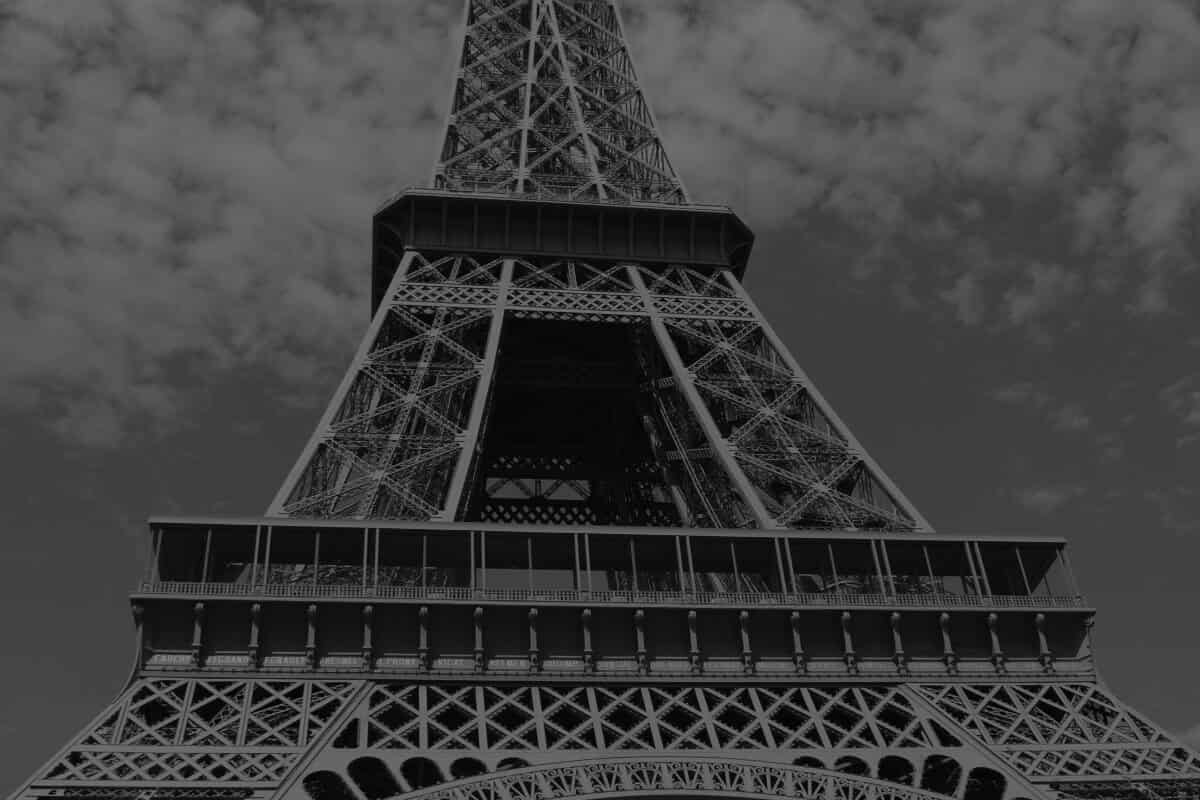
For example, let’s take a look at the Eiffel Tower – the world’s most visited structure. The architect of the Eiffel Tower, Gustave Eiffel, died in 1923. From this information we know the Eiffel Tower is well over the 70 year rule of copyright protection. As such, an image, structure or other representation of the Eiffel Tower can be used freely as part of the public domain. That may explain why the Eiffel Tower is a common symbol used in popular culture.
However, installed on the Eiffel Tower is another major attraction, the sparkling light display which occurs during the night. Pierre Bideau installed this light display in 1985. If we apply the rule, it has only been 34 years since the work was displayed. Consequently, any image of the light display is a copyright infringement and EU law confirms this. Yes that’s right, it’s illegal to take a photo of the Eiffel Tower at night and share it publicly!
Although there are some basics steps you can take to determine if a work is in the public domain. It is always best to confirm with a copyright lawyer.
Have more questions? Contact a LawPath consultant on 1800 529 728 to learn more about customising legal documents and obtaining a fixed-fee quote from Australia’s largest legal marketplace.






