As with any property, the need for repairs and maintenance is often inevitable. However, it can cause great tension between the landlord and tenants. Specifically, issues often arise when both parties refuse to take responsibility for the repairs. Both landlords and tenants have rights and obligations. This is why it is important to understand these responsibilities with regard to property repairs. Read our guide on who pays for repairs under a commercial lease.
What is a Commercial Lease?
A commercial lease is a lease over a retail, commercial or industrial premises. It is an agreement between two parties, the landlord (lessor) and tenant (lessee). Generally speaking, a commercial lease will contain longer terms when compared with residential leases. It is important to note a retail lease differs as it is a type of commercial lease exclusively used for retail businesses. For more information, you can read our guide ‘What’s the Difference Between a Commercial Lease and a Retail Lease?’.
A Commercial Lease Agreement is a document that creates a legally binding relationship between the landlord and the tenant. It is helpful as it sets out the obligations of each party and can include terms such as who is responsible for the payment of repairs. Generally, the landlord’s lawyer will draft the commercial lease agreement. Hence, tenant’s should read the agreement carefully and question any provisions they may deem as unfair.
Requirements Under the Law
In Australia, there are no specific laws that govern who should pay for repairs in commercial leases. Rather, the commercial lease agreement usually outlines these obligations. The agreement should include provisions regarding who is responsible for certain types of repairs and expected maintenance of the property.
Types of Repairs
It is common for a commercial lease agreement to differentiate between general repairs and structural repairs.
General Repairs
A tenant is usually responsible for general repairs of the property. These general repairs must be more than reasonable wear and tear of the property. For example, the tenant is expected to pay for repairs if they hang paintings and put holes in the walls. As a general rule, the tenant is accountable for the repairs of the walls, floors and fixtures. If there is an urgent repair, it is the tenant’s responsibility to contact the landlord as soon as possible to make arrangements.
Structural Repairs
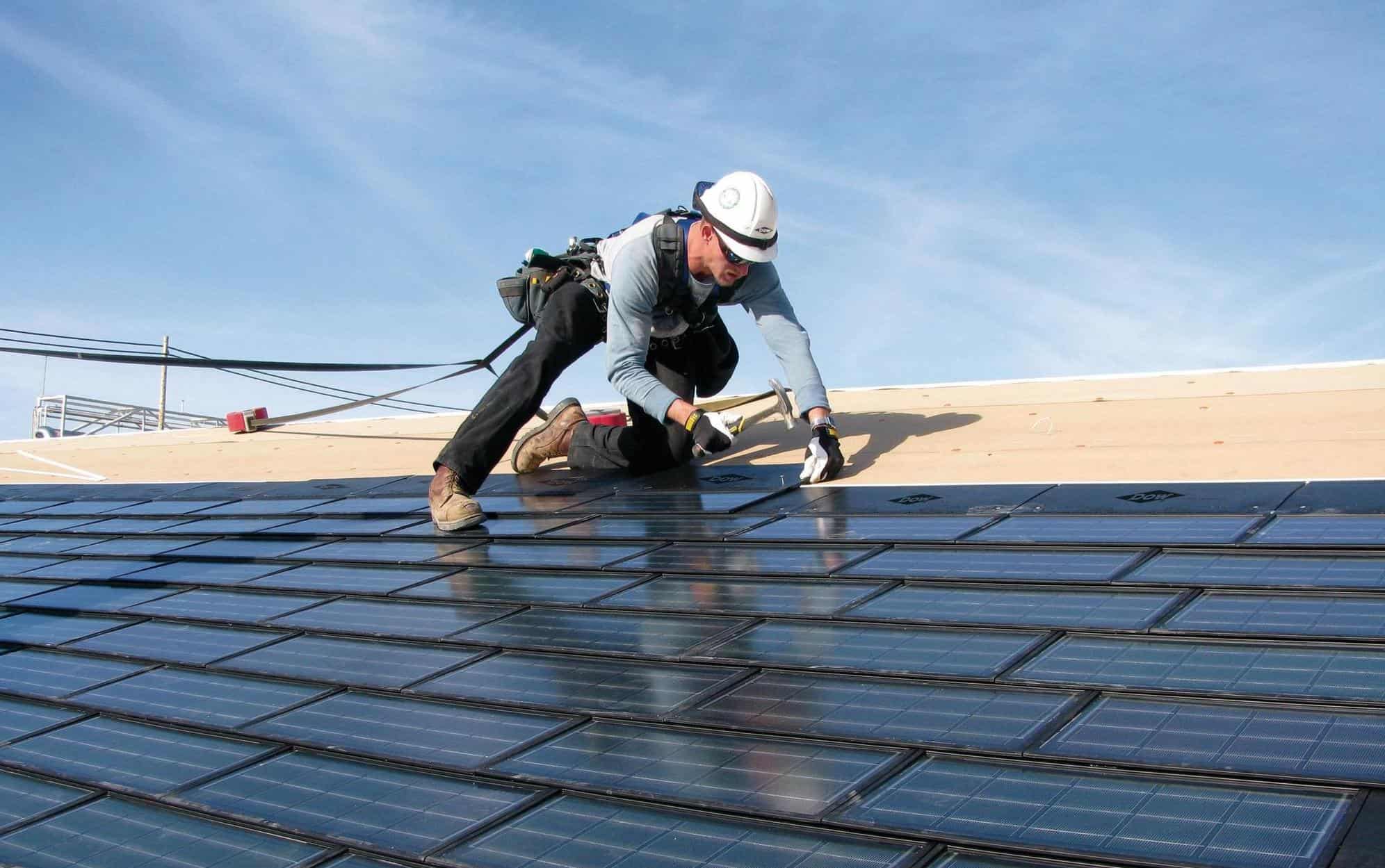
On the other hand, structural repairs are those related to the building foundations and support system. Generally speaking, the landlord is responsible for repairs and maintenance of the structural aspects of the building. This could include lifts, common areas and roofing.
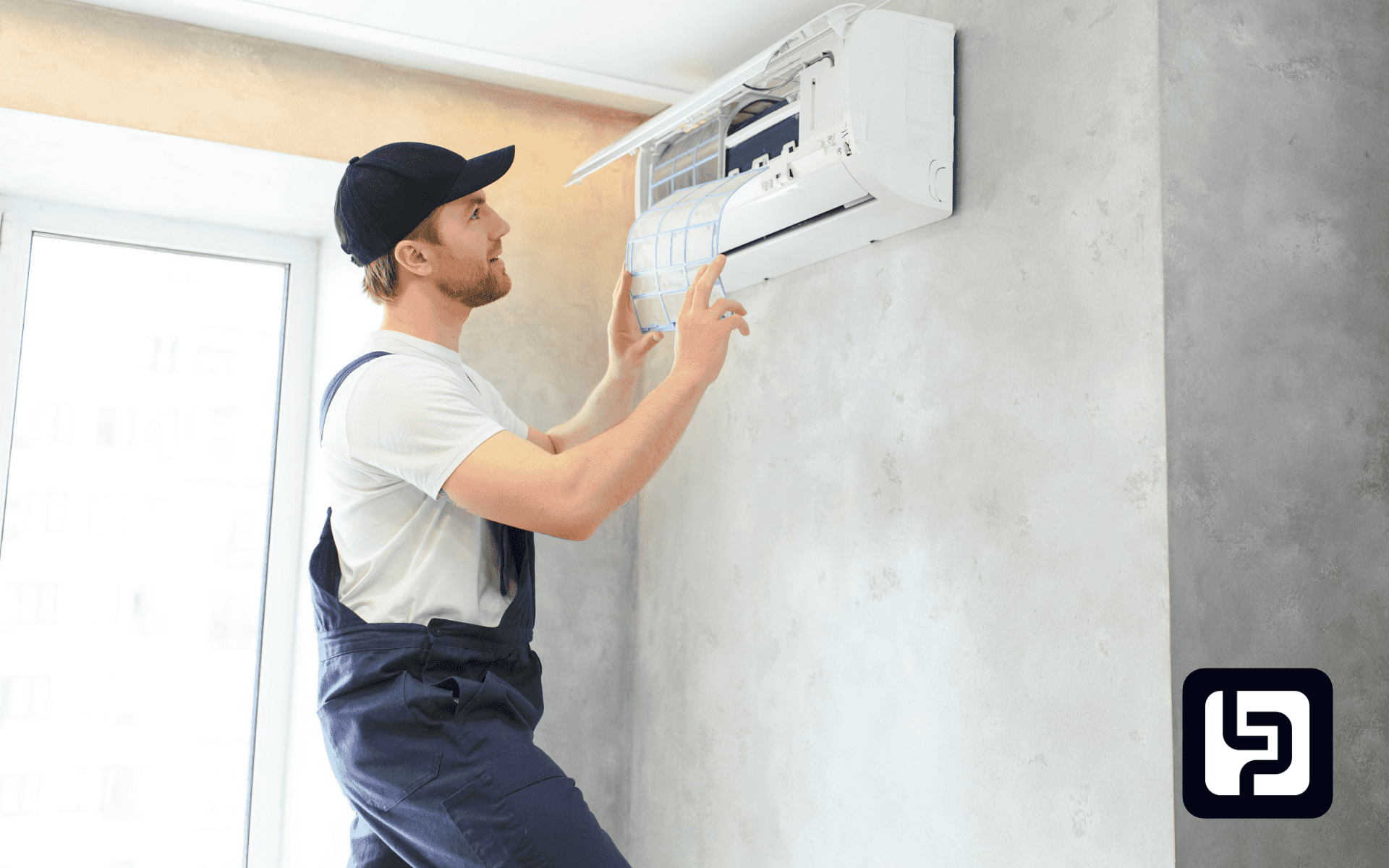
It is important that the commercial lease agreement clearly sets out what is defined as general repairs and structural repairs. If these are not clearly defined, issues can arise. For example, the responsibility of repair of air-conditioning units, heaters and plumbing should be clearly identified.
Who Should Pay?
As set out above, the tenant is usually expected to pay for general maintenance and repairs that go beyond fair wear and tear. On the other hand, the landlord is responsible for structural repairs and wear and tear maintenance. However, this all depends on what is set out in the commercial lease agreement.
To avoid disputes arising, it is always beneficial to carry out a full inspection report of the premises prior to signing the lease agreement. This report should specify the standards of maintenance expected to be carried out by either party. It should also outline what is deemed as reasonable wear and tear and deterioration.
Concluding Points
Determining which party is responsible for the payment of repairs can be a tricky situation. That is why it is important to have a thorough commercial lease agreement in place. This should clearly state which party is responsible for the repair and maintenance of certain aspects of the property. If you are unsure whether you are liable to pay for repairs, we recommend consulting a Commercial Lease Lawyer to discuss your circumstance.