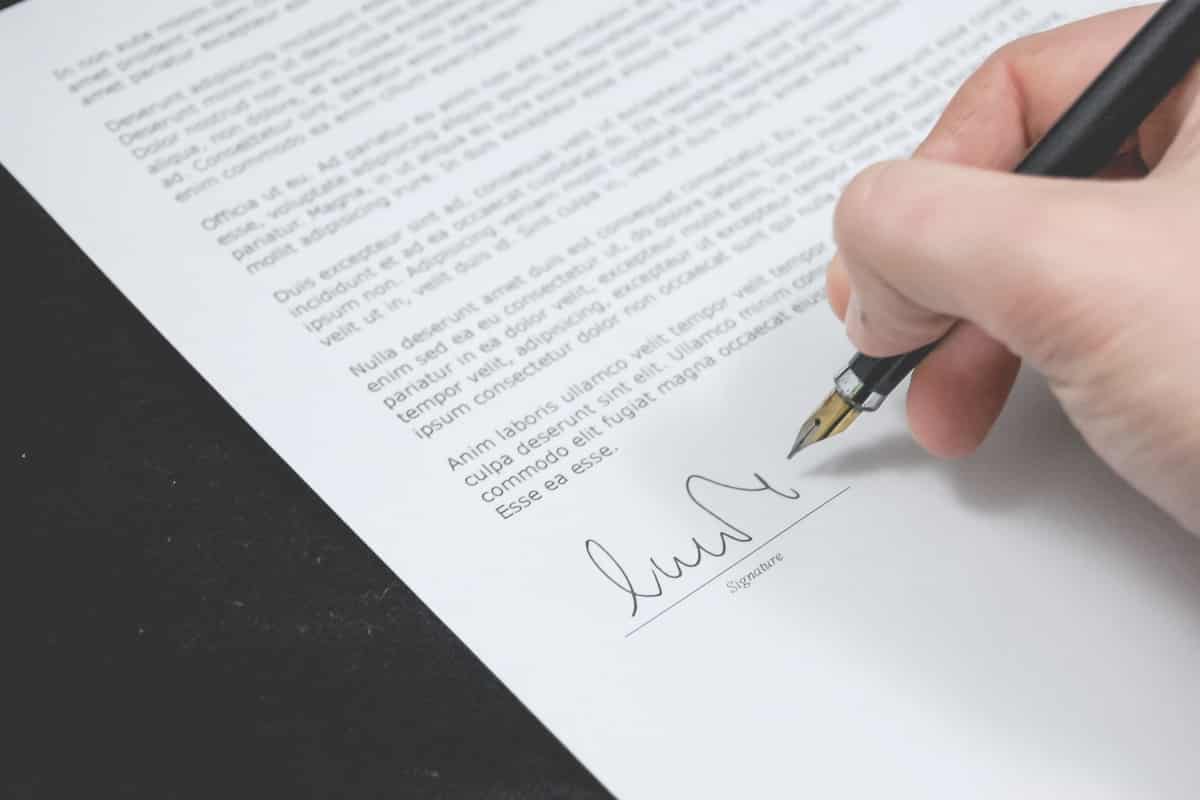
When a business carries out its operations multiple parties will be exposed to information. These include investors, associates and more. Whether it’s financial information, product releases or your plans for the business generally, a lot of damage can be done if this information gets released to the public. In business dealings, both sides are likely to disclose information. Issuing a mutual NDA will help ensure that information from both you and the other party remains confidential. However, there are some things you should do after completing your NDA (mutual) to further secure your business.
1. Ensure both parties sign and date it correctly
One important thing to remember about NDAs is that your information is only protected from the date it is either:
- Signed; or
- The date stated in the NDA (if the NDA is to be retrospective).
NDAs will also only protect information which you disclose from (or within) the specified time. For example, if you issue an NDA which is signed and dated in October, information you disclose in September won’t be covered. For mutual NDAs, it’s important to only disclose information after both parties have signed the agreement. Information released prior to this won’t be covered (unless there is a clause stating otherwise).
2. Make sure both parties have a signed copy
It’s important that both parties to the NDA have a signed and dated copy. Although this sounds simple enough, it’s crucial that the other party understand what they are signing, how it affects them, and what obligations exist between you two going forward. If you’re going to sending the signed document to the other party online, make sure you attach it in PDF format or a form which cannot be edited.
3. Only release information which the NDA covers
An NDA shouldn’t aim to cover all information released between two parties, but rather the information which is sensitive. However, what you define as being confidential is crucial, as this is the only information which is protected. It’s important to make sure any sensitive information you release falls within the ambit of your NDA, so that you will have legal options if this information is leaked.
Finally
The information your business holds is no doubt valuable. However, beyond completing your NDA (mutual), there are further steps you can take to protect your business. If you have more questions about protecting your confidentiality, it may be worth getting in touch with a business lawyer for further advice.