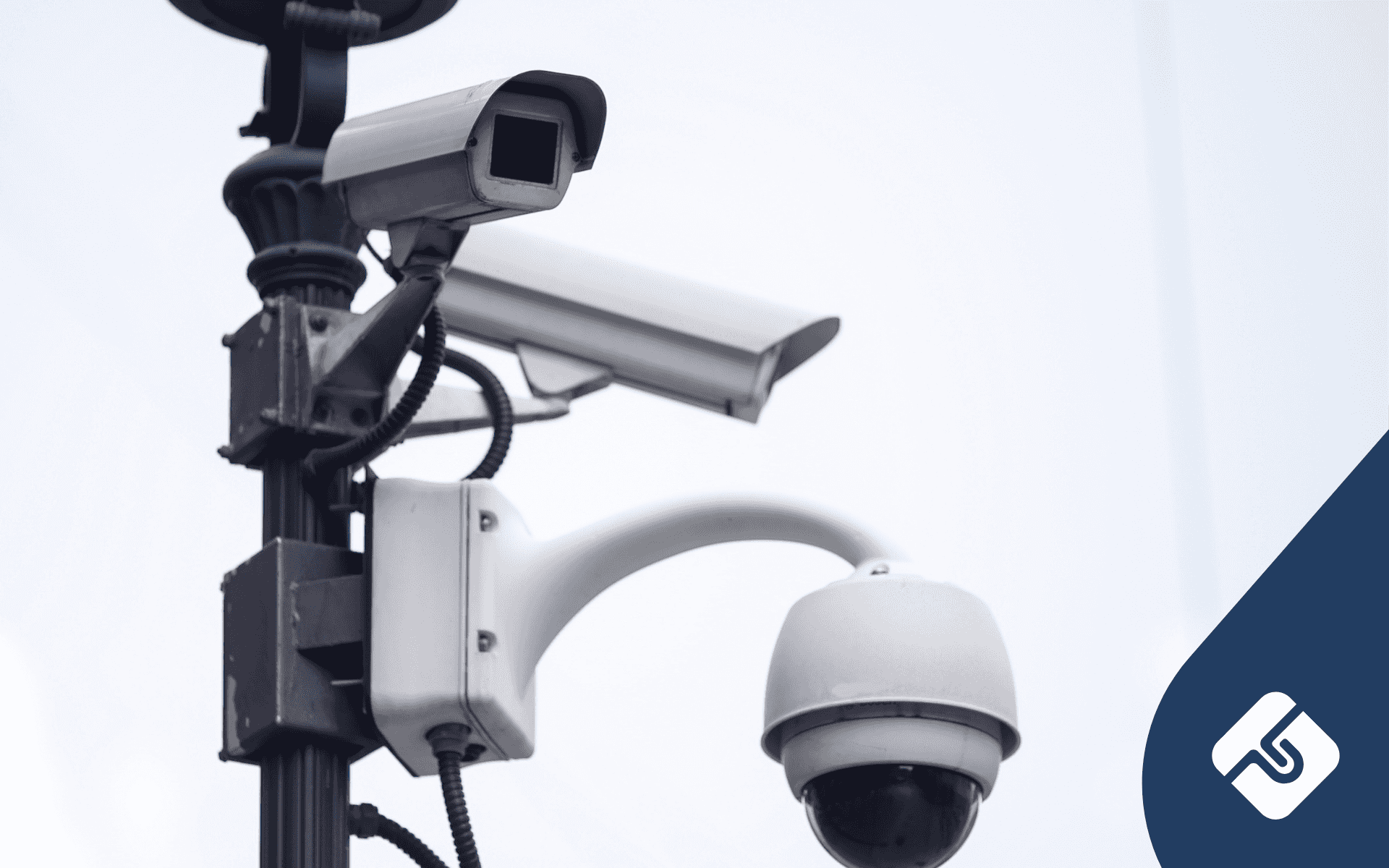
Many employees may feel that they are being watched in the workplace. By contrast, many employers want to make sure that their employees are also doing the right thing. But what are the regulations and limits that exist in our legal system regarding workplace surveillance? In this article, we’ll explain what the important provisions of the workplace surveillance act are.
The Workplace Surveillance Act
The Workplace Surveillance Act 2005 (NSW) came into effect on 7 October 2005. The Act is a NSW law only, with no other states regulating surveillance specifically within a work context. Its purpose is simple: to regulate and outline the legal use of camera, audio, computer surveillance and geographical tracking. Importantly, the Act restricts the use of both overt and covert forms of surveillance.This is to protect the privacy of employees in and outside of the workplace.
5 things you need to know
1. Overt Surveillance
Overt surveillance occurs when employers surveil employees, with the employees notified of this action. Under the Act, overt surveillance is unlawful. This is unless you provide notice at least 14 days before surveillance starts. Additionally, new employees must be notified before they start work.
The notice must contain details of:
- The equipment undertaking the surveillance (video, audio, tracking);
- When the surveillance will commence;
- Whether the surveillance will be intermittent or continuous; and
- Whether the surveillance will be for a specific time or ongoing.
Furthermore, all equipment needs to be clearly visible to employees. Further, employers need to put up signs indicating that surveillance is taking place.
2. Covert Surveillance
Covert surveillance refers to surveillance that is undertaken without the knowledge of the employee/s. The Act strictly prohibits covert surveillance unless the employer obtains a ‘covert surveillance authority’. This has to be granted by a Magistrate for the purposes of determining whether the employee/s are partaking in unlawful activity at work.
When issuing a covert surveillance authority, the Magistrate will consider:
- The seriousness of the unlawful activity;
- Whether it will affect the right to privacy of other employees in the area; and
- Whether reasonable grounds exist to justify the surveillance authority.
3. Tracking & GPS Surveillance
The Workplace Surveillance Act also regulates all forms of tracking surveillance on employees including electronic devices which monitor an employee’s geographical location such as GPS. If an employer intends to track an employee using a vehicle i.e. GPS tracking of your Dominos pizza delivery, a clearly visible notice must be displayed on the vehicle to indicate that the vehicle is subject to tracking surveillance.
4. Computer, Internet and Email Surveillance
The Act restricts computer surveillance by employers including monitoring or recording of information accessed and sent. It also regulates the surveillance of internet access by employees and prohibits the blocking of emails.
Under the Act, surveillance of an employee’s computer use can only be carried out where:
- There is an existing policy on computer surveillance in the workplace; and
- You have provided notice to the employee in advance; and
- The employee is aware of and understands the policy.
The Act also prohibits the blocking of emails sent to or by an employee. Emails can be blocked if:
- It is in accordance with the computer policy of the workplace;
- The content of the email contained a virus;
- The email was spam;
- The email can be reasonably regarded as being menacing, harassing or offensive.
5. Prohibited Surveillance Areas
Aside from the above regulations, the Act specifically prohibits surveillance in certain areas. These include change rooms, toilets, showers or bathing facilities at a workplace. Employers should be careful to ensure that surveillance methods do not impinge on their employees’ rights to privacy.
Zooming in
The regulations and restrictions set out in the Workplace Surveillance Act mean employers need to ensure that the surveillance systems they have in place are in accordance with legislation. As a result, the Act provides employees with protection from surveillance that infringes on their right to privacy and facilitates a safe working environment. Simply put, if you intend on surveilling your employees, you need to let them know first.
If you have experienced unlawful surveillance in your workplace or would like your existing workplace policies reviewed, you should contact an employment lawyer.