
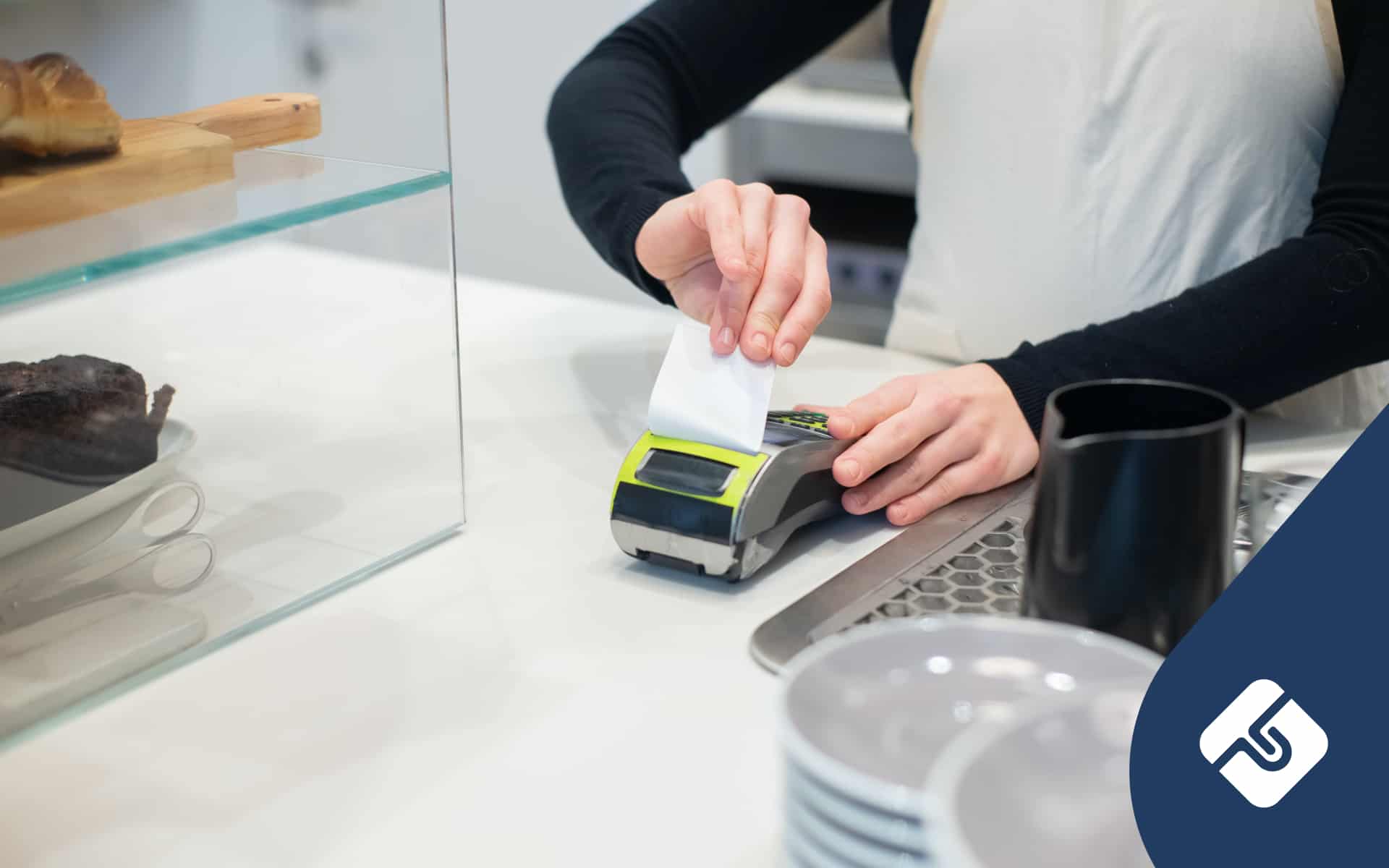
Invoicing and obtaining payments from your customers is vital for starting and running your business. But does your business have to give customers a receipt for every payment made? In some respects, you do have to provide a receipt for all purchases.
However, you can choose to provide proof of purchase instead. It’s important to provide customers with a receipt or proof of purchase, so they’re able to show evidence of the purchase when seeking a refund, repair or replacement.
If you want to know whether there is a legal requirement for your business to provide a receipt for a purchase.
Read along!
Receipt
Before you can collect a payment, you may need to provide the customer with an invoice showing them all the goods and services they will be paying for. When the payment is received, you’ll also need to offer the customer a receipt confirming their payment.
According to section 100 of the Competition and Consumer Act 2010, your business is required to provide customers with a receipt or proof of purchase for any purchase that is over $75 (excluding GST).
However, a customer still has the right to ask for a receipt for any purchase valued at under $75. For these purchases, your business must provide a customer with a receipt within 7 days of their request.
What is a receipt?
A receipt can be either of the following :
- GST tax invoice
- Cash register or handwritten receipt
Proof of Purchase
Instead of providing the customer with a receipt, you can choose to provide the customer with a different type of proof of purchase. Customers can still use that proof of purchase to show that they purchased goods or services from you in the same way that they would use a receipt.
The Australian Competition & Consumer Commission(ACCC) states that proof of purchase can include the following:
- Debit card statements
- Credit card statements
- Lay-by agreements
- Receipts or reference numbers provided for phone or internet transactions
- Warranty cards that show the supplier’s or manufacturer’s details, with the date or amount of the purchase
- A serial or production number linked with the purchase on the supplier’s or manufacturer’s database
- Copies or photographs of the receipt
However, you should be aware that there is no description of what constitutes adequate proof of purchase under Australian Consumer Law.
If your business provides customers with services, according to section 101 of the Competition and Consumer Act 2010, customers have 30 days after receiving a bill or an invoice to request an itemised bill or account. Your business has an obligation to give the customer this itemised bill or account, free of charge, within 7 days of their request.
The itemised account needs to outline the following:
- How the price was worked out
- The number of labour hours involved in providing the service and the hourly rate, if relevant
- A list of materials used and the price charged for them, where it’s relevant
What to Include on a Receipt or Proof of Purchase
So what exactly does your business have to include in receipts or proof of purchases? In accordance with section 100 of the Competition and Consumer Act 2010, any receipt or proof of purchase you provide customers must include the following:
- Your business name
- Your Australian Business Number (ABN)
- Your Australian Company Number (ACN) if your small business doesn’t have an ABN
- The date the goods or services were supplied
- A description of the goods or services
- The total amount or price charged for the goods or services
Conclusion
To summarise, you’re only required to provide customers with a receipt for purchases over $75. However, you should offer every customer the choice of a receipt or proof of purchase. It’s always a good idea to provide them with one anyway, in case they have an issue with the goods or services in the future.
Running a business is a lot of work, especially tackling your business legals. Why not try our Legal Health Check to see where you stand and what gaps your business has?







