
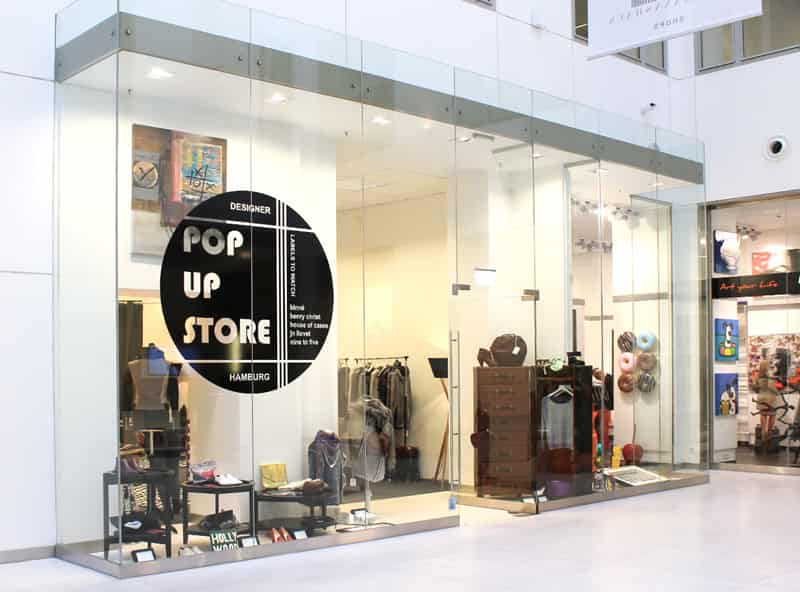
A pop-up shop is a temporary market stall set up to sell your goods and services. They are generally set up for a short and specific period of time. Moreover, they are held at a particular event or market before they are taken down. Pop-up shops are used to promote new products in an innovative fashion. They can range from a cup-cake stall, to a clothing boutique and even to a fortune-teller stall. Furthermore, your stall may be a trial for opening a proper store or business in the future. You should think about the future in your decisions if this is the case. One important consideration is hiring employees. It is essential that you know your legal obligations for hiring employees in your pop-up shop. Employees may be temporary contractors or pre-existing staff if you already have a store or business.
Employee wages in a pop-up shop
Being a pop-up shop does not change how you must pay your employees. You have a legal obligation to pay your employees a rate consistent with National Employment Standards. The wages and entitlements that your employees may receive depend on many factors. These include their age, the state they are in and the industry you are in. They also include their work duties and responsibilities and their qualifications.
Moreover, the National Employment Standards include the following:
- maximum weekly hours;
- personal carer’s leave and compassionate leave;
- notice of termination and redundancy pay.
- annual leave;
- parental leave and related entitlements;
- long service leave;
- public holidays;
Pop-up shops should also consider whether they are hiring their workers as casual, part-time or full-time work. This will also determine the pay and leave entitlements that they are eligible for. Since a pop-up only exists for a short period of time, you might just hire a few employees on a rotating roster. However, you must always comply with the minimum standards of various awards and agreements.
Contractors
Hiring contractors may be useful for your pop-up shop because it is temporary. Contractors are hired to do certain tasks based on the terms of their contract. They generally use their own processes, tools and methods to complete the work. This can be beneficial if your pop-up shop is just a short-term project. Employees and contractors have different legal requirements. Therefore, it is important to understand the difference between them. However, you should use employees if you are going to be more involved in the business.
Don’t forget!
Pop-up shops are a temporary stall that is used to sell various goods and services. They may be used to determine whether you want to open up a proper store. On the other hand, they may just run for a few months and then close down. Regardless, the same legal requirements apply to hiring employees. It is important that you understand your employees’ legal entitlements. Moreover, you should be able to distinguish between a contractor and an employee. This is because they have different legal obligations. Contact an employment lawyer for more information.







