Recessions are a period of economic downturn that deeply impacts a country’s economy. This can have a wide range of negative effects on people and businesses, both small and large, for months or even years at a time.
This article will explain what conditions amount to a recession and the impacts businesses face during one.
What is a Recession?
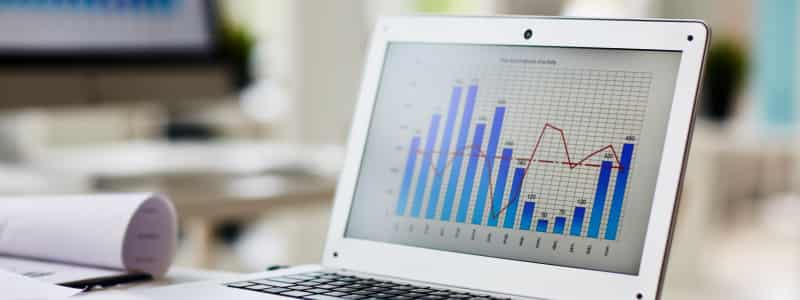
Recessions represent periods of economic decline and inactivity. These tend to last for two or more quarters, and are measured by a country’s Gross Domestic Product (GDP).
There are a number of indicators that characterise a recession and why its GDP can fall. Risky moves and ventures by businesses and banks – on a large scale – that fail can be a factor. Further, slow or negative growth and production, rising unemployment levels and poor economic regulatory and policy decisions.
Generally speaking, there are a few factors that exist across all periods of recession that cause them; high interest rates that limit liquidity and money available to invest, inflation, reduced consumer confidence, and reduced wages.
Recessions can also be caused by structural shifts in the economy, such as when innovative and new technologies sweep away older and vulnerable technologies rendering them obsolete, along with the firms, industries and businesses that relied upon them; social and political upheaval; or dramatic policy responses by the government and monetary authorities, such as the Reserve Bank of Australia.
In 2007-2008, excessive risk taking and increased borrowing by banks and businesses, and regulation and policy errors within the United States lead to the Global Financial Crisis. Recessions are less severe than periods of economic depression but can still have potentially dire consequences for a country’s economy and its businesses.
Effects on businesses
Large Businesses
Among large businesses and companies, the effects of a recession are very similar and typically consistent between them. As people spend less money, sales revenues and profits decline. As a large business, your most effective option will be cutting costs in an effort to improve your bottom line. Employee hiring will be cutback, research and development is reduced, new product rollouts are halted, marketing and advertising are reduced. In the worst circumstances, businesses will lay-off employees and cut employment benefits. These changes impact other businesses, like those who may utilise another’s services, or suppliers now faced with reduced demand.
In trying to improve the bottom line, large businesses are consequently trying to improve their earnings reports. With news of declining revenues, stock prices will fall and dividends may slump. As a result people will look to offload their shares, and the business’s stock price will only depress further. During such trying times, company shareholders will also look to the appointment of new leadership.
Small Businesses
During a recession, small businesses will be hit the hardest. They suffer similarly to large businesses, as customer demand and cash flows fall. If you’re a small businesses owner you may not hold major reserves of cash and large capital assets that can be used as collateral. As a result, during recessions, they have a substantially harder time securing additional financing to help them survive. It’s also difficult to secure support from investors, who would be less likely to take the risk in supporting a small business during recession.
However, the impacts do vary depending on your services, industry and market. Luxury services often suffer first as people cut back on spending, while others such as the legal industry might be more resistant as people will always need legal advice, support and protection. However, small businesses can display much more flexibility than larger businesses, so adaptive and innovative measures, such as an appropriate business plan, will support them in surviving a downturn.