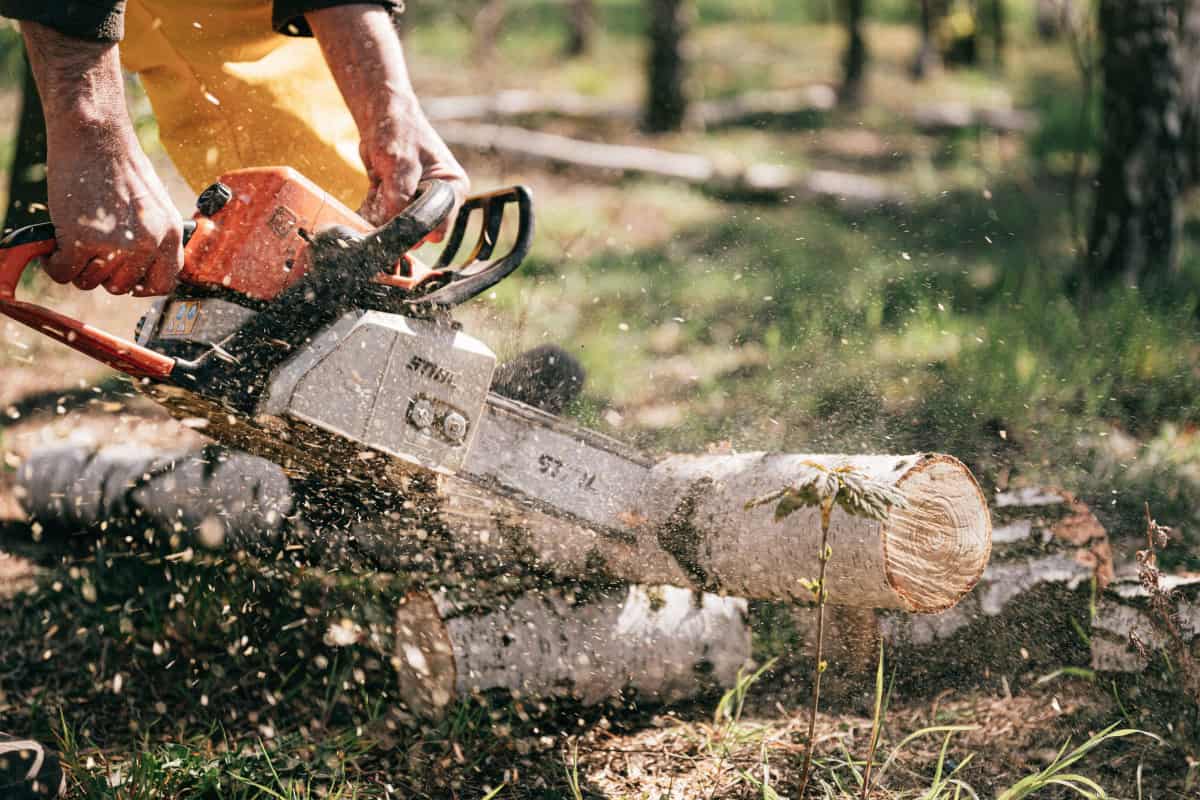
Have you ever considered starting a forestry business? The forestry industry includes activities such as forestry gathering and growing as well as logging activities. Logging activities involve logging, hewing, shaping, cutting or felling. Before starting any type of business you need to ensure you meet all the administrative, financial and legal requirements. Keep reading to start your forestry business on the right foot.
Business Essentials
First, you will need to decide on the business structure that will best suit your business goals. Will you operate as a sole trader, partnership or company? The structure you choose will depend on what degree of liability you’re comfortable with, the size of your business and tax.
Finally, you will need a business name. Once you decide on your name, you should check that your business name is available. If the name is available, you can then register your business as a trademark to ensure that you have the exclusive rights to your business name throughout Australia. This process is beneficial for branding and marketing.
License and Permits
When starting any business you should always check if you require any licences or permits. The State or territory governments manage the licences and permits for the forestry industry. You must ensure that you are following the regulations set by your relevant government body. The licence and permits you may need include:
- Collecting, felling, transporting and burning timber or forests
- Protecting forests and native plants
- Protecting wildlife
- Disposal of waste
- Fire management and safety
- Water usage or constructing a bore or well
- Handling, storage and use of chemicals or dangerous substances
Additionally, you should be aware of the key legislation for the forestry industry. These include the Environment Protection and Biodiversity Conservation Act 1999, Illegal Logging Prohibition Act 2012 and Native Title Act 1993.
Work Health and Safety (WHS)
Your forestry business must comply with the general occupational health and safety regulations. The forestry industry also has specific WHS requirements for each state. These include:
- Safety standards for separation of activities
- Safety standards for maintaining safe distances
- Standards for occupational safety signage
- Standards for protective clothing and equipment
- Manual handling safety standards
- Workplace noise management
- Prevention of falls
- Handling & storage of hazardous substances
Intellectual Property
When starting a forestry business you should also be aware of the ways to protect your intellectual property. The forestry industry allows for its businesses to have access to protecting their general intellectual property. This includes patents which protect inventions such as new machinery, systems or processes and Plant Breeder’s Rights which protects new plant varieties. Plant’s Breeder’s Rights grants exclusive rights to the plant breeder to use, sell and distribute the plant and receive royalties.
Employees
To run your business you will need to hire staff. However, you must comply with Australia’s national workplace laws specific to the forestry industry. You should consider how many employees you are looking to hire and what type of employment they will receive such as full time, part time, casual or shift work. You will then be required to have the appropriate employment agreements drawn up and signed.
Marketing
Now that your business is all set up, you need customers. You must decide what is the most effective advertising method to reach the target market. Will you start a social media page or put an advertisement in your local newspaper? You could also use word of mouth to effectively boost your forestry business and gain more customers. .
In conclusion, starting a new business is an exciting experience. If you are looking for further assistance with any aspect of your forestry business, contact a business lawyer today.