Ever wondered what happens to all the items and equipment when you sell your business?
Selling a business can be difficult, especially if you’ve worked tirelessly on creating one. To make matters worse, there’s the paperwork too. But what about the assets and inventory when you sell your business? Firstly, it’s important to identify how you are selling your business. If you are contemplating what happens to your assets when you sell your business, then it is likely negotiations will be involved.
Inventory vs. Assets
It’s important to note that these are two different things.
Inventory refers to the products you are selling to generate an income. This can be the whole product itself, or any loose parts. The turnover process for inventory is relatively simple and quick. Inventory can be categorised as:
- Raw materials
- Work in progress
- Finished goods
Assets are resources that assist in the development or sale of your inventory (product). The turnover process can be more lengthy because of loans and transferal of ownership titles. Assets can be categorised as:
- Financial resources (investments, stocks, shares)
- Physical resources (factories, equipment, furniture, machinery)
Sale of Business
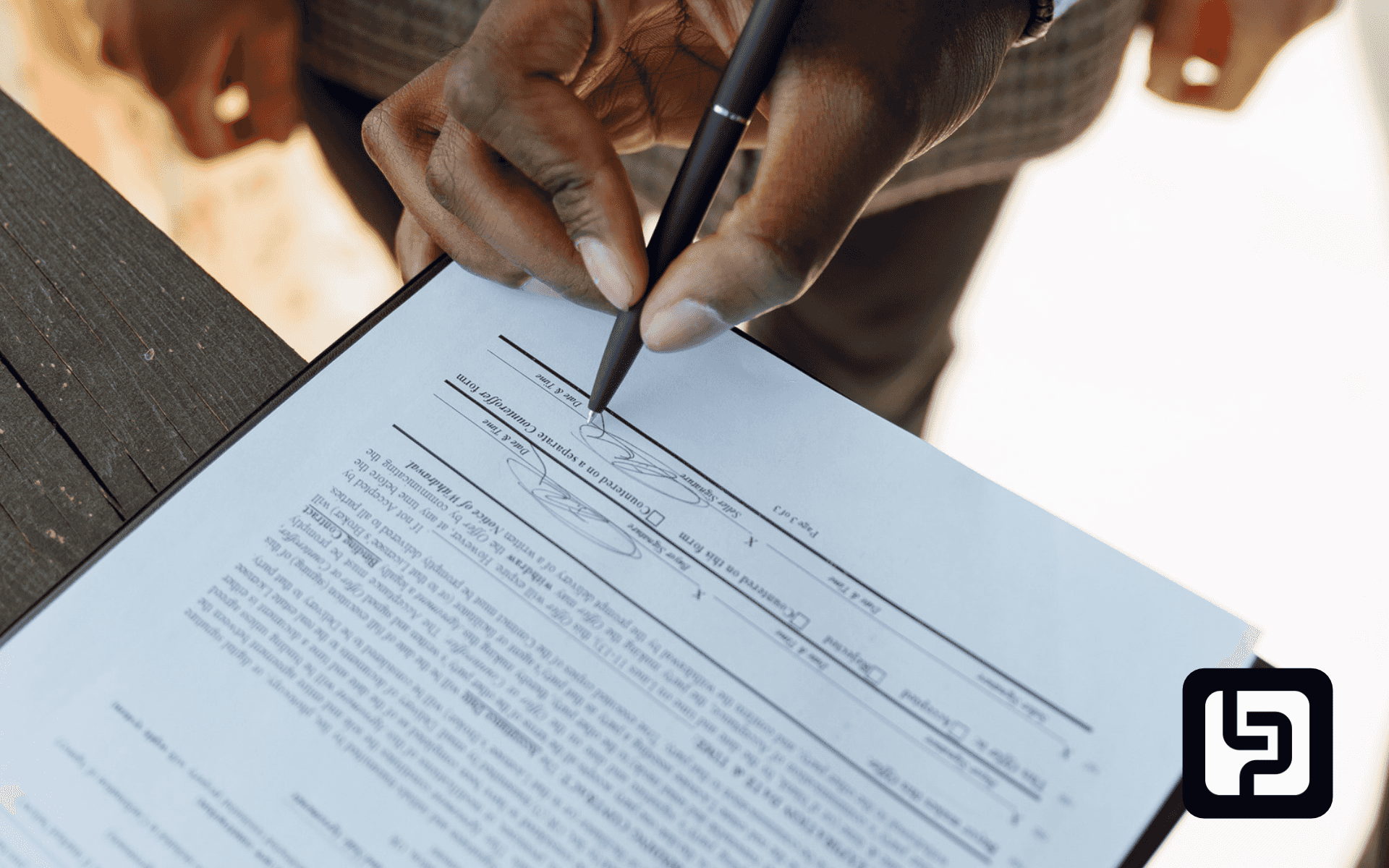
If you intend to sell assets along with your business, you will need to draft a business sale agreement. Essentially, you are in control of what you wish to sell, but we suggest contacting one of our Business Purchase/ Sale Lawyers to assist you through the complexities.
Goods you decide to sell can be tangible, such as inventory or machinery, but can also be intangible, such as intellectual property. Further steps are involved when transferring trademarks or patents; we recommend creating an Intellectual Property Agreement. When selling a business, the transfer of items such as furniture or equipment should have no debt attached to them. It is also common practice that loans on any assets are paid before the sale of business.
If you decide to exclude any assets when selling your business, it should be clearly written on the agreement. Common with-held items are personal assets that aren’t essential to the running of the business.
Negotiation Is Key
Ultimately, the sale of a business is between you and the potential buyer. Negotiations can and should take place to decide what will be sold alongside the business. Finally, it is important that a written agreement confirms everything that has been verbally agreed on.