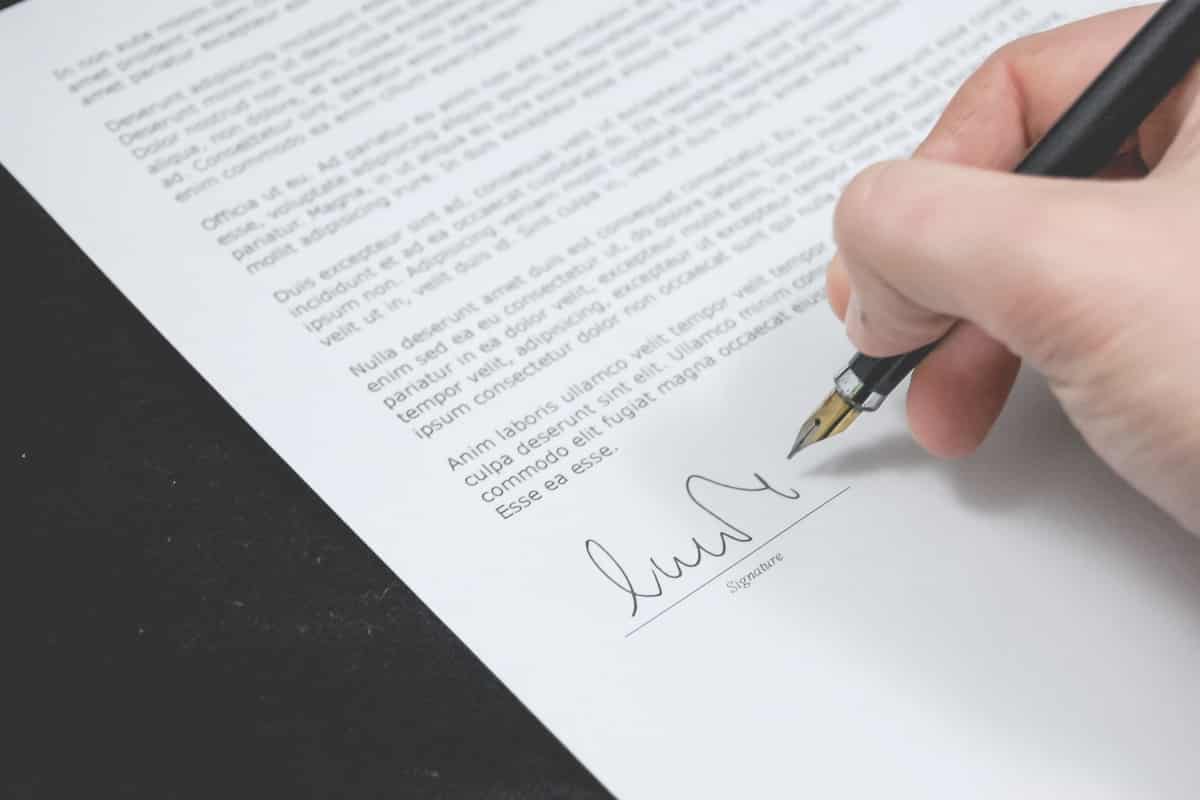
A terms and conditions acts as a legally binding contract between you and your users. This is the agreement that sets the rules and guidelines that users must agree to and follow in order to use and access your website. Terms and conditions can apply to any and all users of a website, however they usually apply when the user is required to pay for a product and/or service.
Why your website should have terms and conditions
All websites should create a terms and conditions of use. Some of the key reasons why you should have one are below.
- Prevents abuse and misuse of the website. By including a terms and conditions with specific clauses you can ensure use content is regulated. For instance, you can prohibit spamming of other users, defamatory content and explicit language.
- Protect your intellectual property. Your terms and conditions can inform users that you are the owner of particular content. This can take the form of an intellectual property clause.
- Termination clause. This gives you the right to temporarily or permanently ban users who fail to follow the website’s guidelines.
- Limits your liability. Terms and Conditions commonly include a disclaimer which limits the website owner’s liability. This ensures that if errors are found on the website the owner isn’t held responsible. that tries to limit the website owner’s liability in cases where errors are found in the content presented on the website.
Options if someone breaches your website’s terms and conditions
The first step to take if a user breaches the terms and conditions on your website is to ask them to retract their behaviour if this is possible. For instance, asking a user to remove a comment which is against guidelines and providing them with a warning.
However, if there is a breach you may also pursue legal action. In regards to breaches such as late payments, you can govern such breaches within your terms. In other matters, you will often require legal advice before pursuing a claim. The pursuit of a claim will begin with providing notice to the user who has breached the terms. Copyright breaches are often first dealt with via a cease and desist letter against the offender before further legal action is taken.
Conclusion
Consequently, terms and conditions are a crucial part of every website. They serve numerous functions however broadly protect the website owner and concurrently inform users of their rights and obligations. If there is a breach of these terms, it is important to attempt to first try and resolve the issue internally. If this fails, there are numerous legal options available. This process will begin with a notice to the user and typically a cease and desist letter.