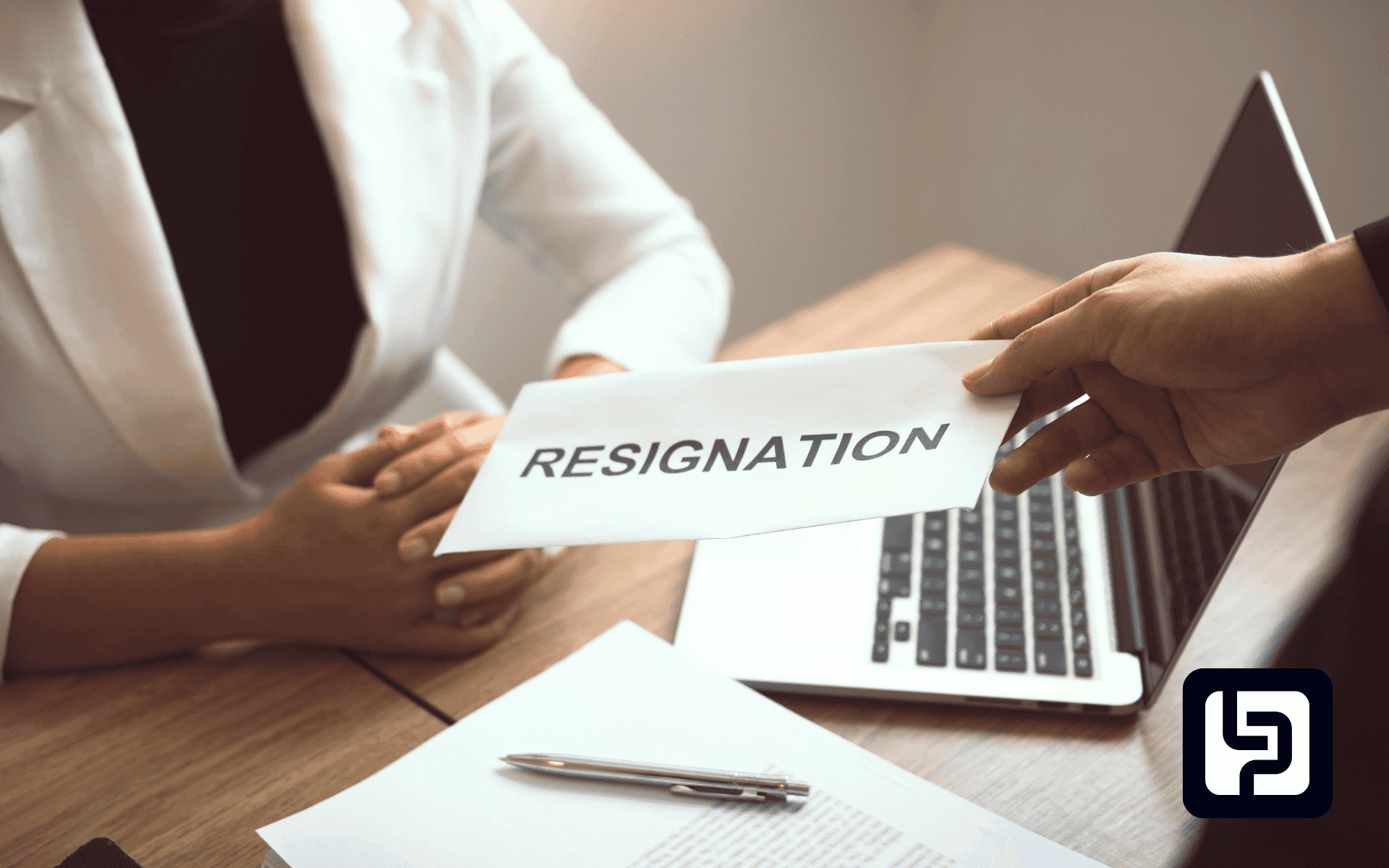
When dismissed by an employer, you may take action to the Fair Work Commission (FWC) through general protections dismissal or unfair dismissal laws. However, you have 21 days to do this. This quiz may be of assistance to determine if you have the right to claim action. The following article breaks down the law on general protections dismissal.
What’s general protections?
An employer can’t take any adverse actions towards an employee, just because the employee has a workplace right. These adverse actions may include;
- Dismissal.
- Not providing legal entitlements.
- Changing their job to purposefully disadvantage them.
- Unfair treatment.
- Offering different terms and conditions to other employees.
To protect workplace rights and freedom of association, these protections exist. Furthermore, it provides effective relief for those who have had these adverse actions committed against them.
What workplace rights are protected?
The following workplace rights are protected through the general protections dismissal laws;
- Receiving the appropriate award rate.
- Commencing court action due to issues with the employer.
- Complaining or inquiring about employment.
In addition, an employer can’t take adverse action due to an employee participating in an union. Similarly, the employer can’t take adverse action due to any physical or mental feature of the employee. The employer cannot discriminate.
Who do general protections laws apply to?
In short, these laws apply to all current and prospective employees and employers. Furthermore, the laws protect independent contractors, and industrial associations and their officers.
The laws are in place to protect each party involved. It is about honesty, and treating people on their merit.
What are the penalties involved?
If a claim is successful, penalties of up to $54,000 may be issued by the FWC. This is a significant cost to pay. Thus, all parties are advised to consider their actions to ensure they may not be considered ‘adverse’.
Final thoughts
General protections dismissal laws exist to protect both the employer, and the employee. Ignoring these laws may lead to significant penalties from the Fair Work Commission. For any questions on the issue, an employment lawyer may be able to assist your enquiries.