Have you ever been through mandatory arbitration or has a court directed you to go through mandatory arbitration? In the past, we covered generally what arbitration is, but in this article, we will specifically look at mandatory arbitration. To refresh, arbitration is an alternative to litigation. Arbitration involves an independent person, known as an arbitrator, deciding a dispute between two parties. The arbitrator’s decision is called an award, which will be enforced by the Court, much the same as a judge’s decision will be.
What is it?
Mandatory arbitration is when a court directs two parties to arbitrate, regardless of whether they change their mind and no longer want to. A court will do this when there is a clause within the contract, known as an arbitration clause, stating that both parties agree to arbitrate when irreconcilable issues arise.
Who runs the mandatory arbitration?
In most cases, the arbitration clause will state who is going to arbitrate. However, the clause can also state that parties will agree to who will arbitrate at a later date. This is an agreement to agree clause. If the arbitration clause does not include either one, then the arbitration clause most likely will not apply.
Can a court order arbitration?
A court will not order arbitration specifically, but it can order parties to use alternative dispute resolution. Arbitration is a form of alternative dispute resolution, but it is not the only one. Conciliation and mediation are other forms of it. When courts order parties to commence alternative dispute resolution, the intention is for parties to negotiate their differences. If this fails, then the parties will return to the court to litigate their dispute.
What if you do not want arbitration?
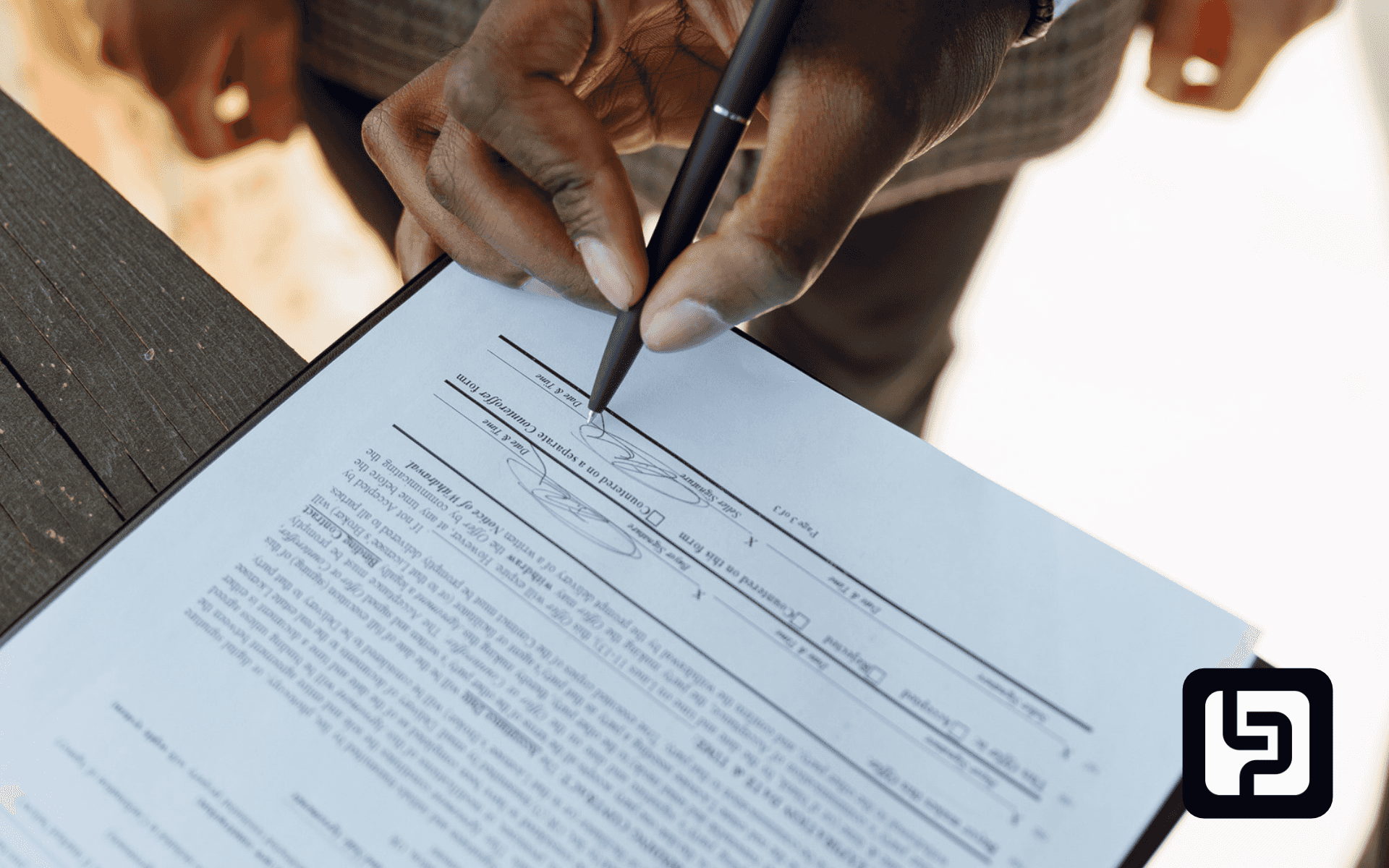
Before signing any contract make sure you or your lawyer checks for an arbitration clause. If there is one, check if it has been drafted correctly. If it has, then you will need to go to mandatory arbitration.
Courts enforce mandatory arbitration when the contract between the two parties has a properly drafted arbitration clause. If an arbitration clause exists in a contract you are reviewing or if you want to draft one, you should seek legal advice.

Don’t know where to start? Contact us on 1800 529 728 to learn more about customising legal documents and obtaining a fixed-fee quote from Australia’s largest lawyer marketplace.