Hiring an independent contractors is an affordable way for startups to bring people into their business with specialised skills and expertise. Without proper legal agreements in place, questions can arise about the nature of the relationship between you and the contractors that your business has hired.
When hiring a contractor it is important to know the legal services you will need to ensure that your business is protected. With LawPath you have access to all the legal documents such as an independent contractor agreement and a non-disclosure agreement, that protect your business when hiring independent contractors.
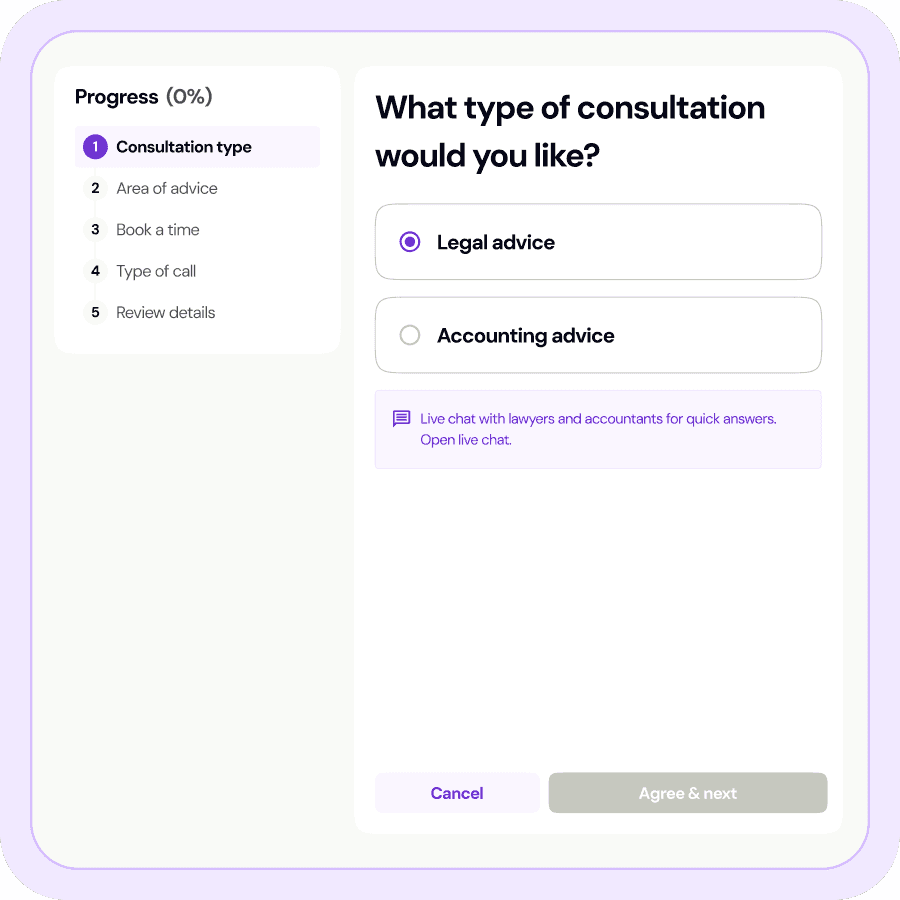
With LawPath’s quick quotes service you can also engage an experienced employment lawyer to clarify the relationships of both your employees and contractors.
What Legal Documents do I need to Hire a Contractor
Contractor Agreement
As a startup or small business, you may be engaging with companies or individuals to carry out work, rather than extending your limited resources to take on more employees. A contractor agreement, also known as an independent contractor agreement, is a document that your business must have when hiring independent contractors.
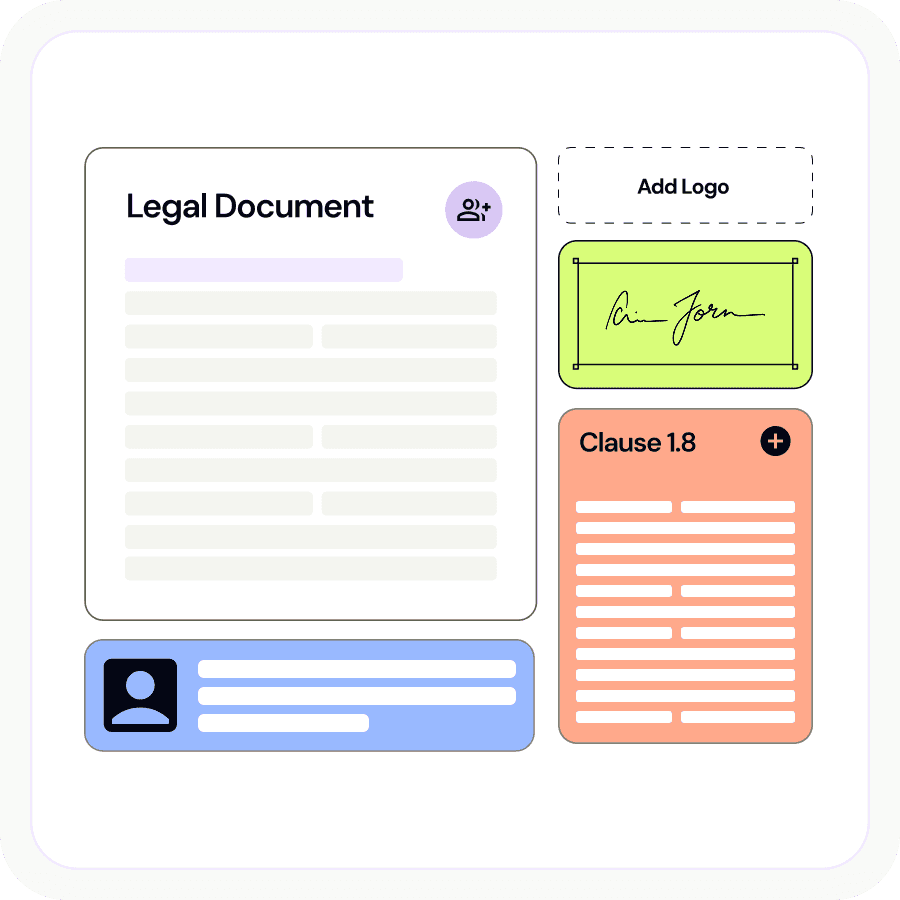
The agreement clearly sets out the nature of the services to be performed, the obligations between the parties and provides protection for your intellectual property and confidential information. An independent contractor agreement should also include:
- Insurance;
- Termination;
- Payment and expenses; and any
- Relevant warranties and indemnities.
This agreement also clarifies that your business is engaging the services of an independent contractor and not an employee, as misclassification can result in a long and costly litigation process.
Non-disclosure Agreement
When you are starting out, protecting your business’s confidential information can be the difference between success and a stolen idea. A non-disclosure agreement is a document that allows your business to safeguard any confidential information, with the parties agreeing to not disclose any information covered by the agreement. Non-disclosure agreements can be one-way and mutual.
Using an NDA ensures that any confidential information you have provided to an independent contractor will not be used by them outside of the workplace or shared with other people and businesses. Before sharing any confidential information, the document must be in writing and signed by all parties.
For more information on non-disclosure agreements check out our guide on the 5 things you should know about NDAs.
Hire an Employment Lawyer
When hiring independent contractors, it is important to engage with an employment lawyer to help you navigate through the intricacies of employment law. Working relationships with independent contractors can be particularly complex requiring legal guidance. An experienced employment lawyer can assist with a range of tasks including reviewing your contractor agreements and non-disclosure agreements, as well as provide legal advice about these relationships.
Final Thoughts
If you are looking to hire contractors for your business, your contractor agreement and non-disclosure agreement must be up-to-date. It also recommended that you get in touch with a lawyer through Lawpath’s quick quote service to have these documents reviewed.