
Issuing a Non-Disclosure Agreement is a good way to protect your business if you’re going to be disclosing sensitive information. When a business carries out its operations multiple parties will be exposed to information. These include employees, third parties, suppliers, investors and more. These people will all get access to information about your business that you will likely want to keep private. Whether it’s financial information, product releases or your plans for the business generally, a lot of damage can be done if this information gets released to the public. Issuing a one-way NDA will help ensure that this information remains confidential. However, there are some things you should do after completing your NDA (one-way) to further secure your business.
1. Ensure it’s signed and dated correctly
One important thing to remember about NDAs is that your information is only protected from the date it is either:
- Signed; or
- The date stated in the NDA (if the NDA is to be retrospective).
Because your NDA only needs to be signed by the person (or entity) you’re issuing it to, it’s important to check that the document has been signed correctly. NDAs will also only protect information which you disclose from (or within) the specified time. For example, if you issue an NDA which is signed and dated in October, information you disclose in September won’t be covered.
2. Consider other documents you may need
One-way NDAs can be helpful in a number of circumstances including:
- When hiring employees;
- If you’re pitching your business to investors or other stakeholders;
- In your dealings with other businesses.
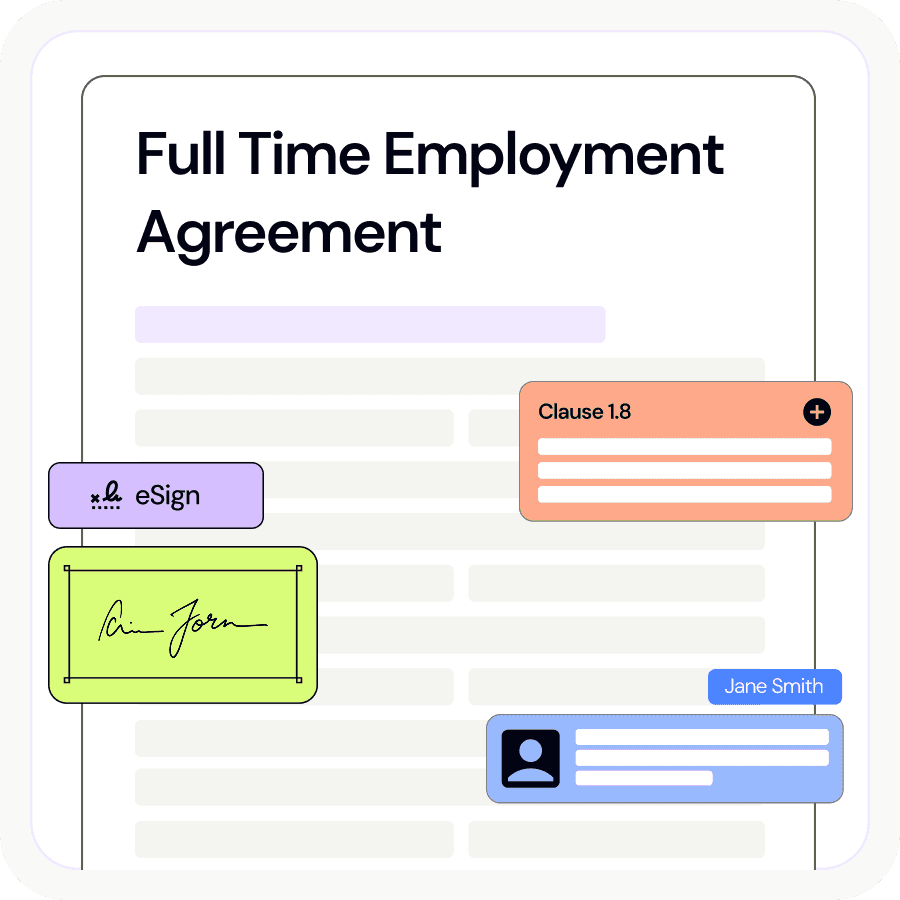
When it comes to hiring employees, it’s also a good idea to have an employment contract in place. An employment contract will clearly set out the terms of employment, as well as:
- Notice periods
- Performance and pay reviews
- Restraint of trade
- Confidentiality
If you’re pitching your business to potential investors, you should also consider how your intellectual property is protected. Registering a trademark for your business name, logo and any other unique assets will not only ensure that your intellectual property is safe from misuse, but also increase your brand’s value.
3. Review how your business stores information
Many NDA breaches are unintentional. These can come about through cyber hacks, accidental leaks and failures to update online software. If you’re trying to prevent others from releasing information about your business, it’s also a good idea to check your business’s file-keeping processes. One way to do this is by making sure your systems are up to date. Further, having a response plan in place in case information becomes compromised will help your business manage a data breach.
Finally
The information your business holds is no doubt valuable. However, beyond completing your NDA (one-way), there are further steps you can take to protect your business. If you have further questions about protecting your confidentiality, it may be worth getting in touch with a business lawyer.