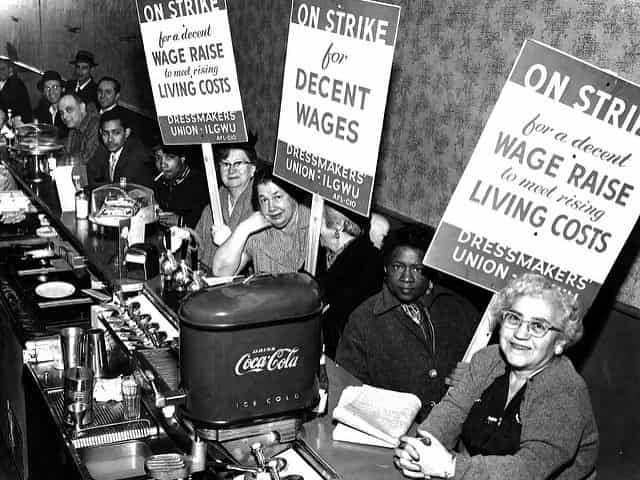
In short, you, as an employer, cannot prevent an employee from joining a union. Australian law protects the rights of employees to join and participate in union activities. This right is also uniform in the application; no matter what kind of employee they are, casual through to full-time, they may exercise their right to unionise.
However, there are several other factors employers should consider regarding unions. Here we discuss a few.
Unions may keep your actions in check
As an employer, there are several policies and rights you must provide to your employees. Namely, providing a safe workspace, avoiding issues of discrimination, bullying, or harassment, and appropriate pay and compensation entitlements. If you fail to comply, it is within an employees rights to contact their union to seek advice on the matter. If the union feels the matter is valid, they may advise the employee on the necessary actions to be taken.
So, while you cannot stop an employee from joining a union, provided that you don’t fail to provide a safe and appropriate work-space, this shouldn’t be an issue.
Your employees don’t have to tell you if they join a union
An employees union membership is a private decision that they don’t need to disclose to anyone. Though, if your employee does disclose it to you, it should also not mean that you treat them any differently. If they feel that their union membership is affecting the way that you are treating them, they may take action (as outlined above).
Rights of union members to enter your workplace
A union officer or representative may enter your workplace under certain circumstances. These being that:
- An employee wishes to speak with them.
- They suspect a breach of the National Employment Standards, or
- an award, or
- a registered agreement, or
- workplace health and safety laws.
Provided the union representative has provided at least 24 hours, and less than 14 days, notice, and has a valid permit on them, they may enter the premise. Though, specifically for workplaces in the clothing, textile or footwear industry, they are not required to give prior notice (only notice upon arrival). On-premise, they can:
- Speak to willing employees or any suspects within the supposed breach.
- Inspect any equipment or products involved in the suspected breach.
- View any relevant documents involved in the suspected breach.
- View any union employee records, and non-union employee records with the permission of the non-union employee.
As an employer, you cannot prevent the union representative from performing these actions. However, they may only perform these with the appropriate documentation. If you suspect that their documentation is in some way invalid, it is best to contact the Fair Work Commission or the union itself for clarification.
Final thoughts
As an employer, unions should not be of any concern. They exist to ensure that employee rights are met and maintained. Therefore, provided that you comply with these, it is unlikely you will have to deal with most of the processes outlined in this article. Ultimately, the best way to avoid any union issues is to ensure strong company policies and guidelines are implemented within your business from the get-go.