There are many forms of leave that you are entitled to as an employee. There’s your standard four weeks’ annual leave and ten days paid personal leave. You may also receive compassionate leave, community service leave, and paid parental leave. But what happens when you run out of leave? Depending on your workplace, you may still be able to take time off work. Keep reading to find out how the concept of ‘negative leave’ works.
What Is Negative Leave?
Negative leave (or ‘leave in advance’) is when you take more leave than you have accrued. This situation may arise if you have recently started a new job or are planning a big overseas trip. Alternatively, it may occur due to an unexpected personal situation or accident.
When Will Negative Leave Be Granted?
To determine whether you will be granted leave in advance, you should look at the applicable modern award. Furthermore, your workplace may have its own Negative Leave Policy that must be adhered to.
Generally, an employer has no legal obligation to approve a request for leave in advance. The decision comes down to your employer and what they are comfortable with.
Modern Awards
Granting annual leave in advance is subject to the applicable award and/or enterprise agreement. Most awards will allow for leave in advance when the following conditions are met:
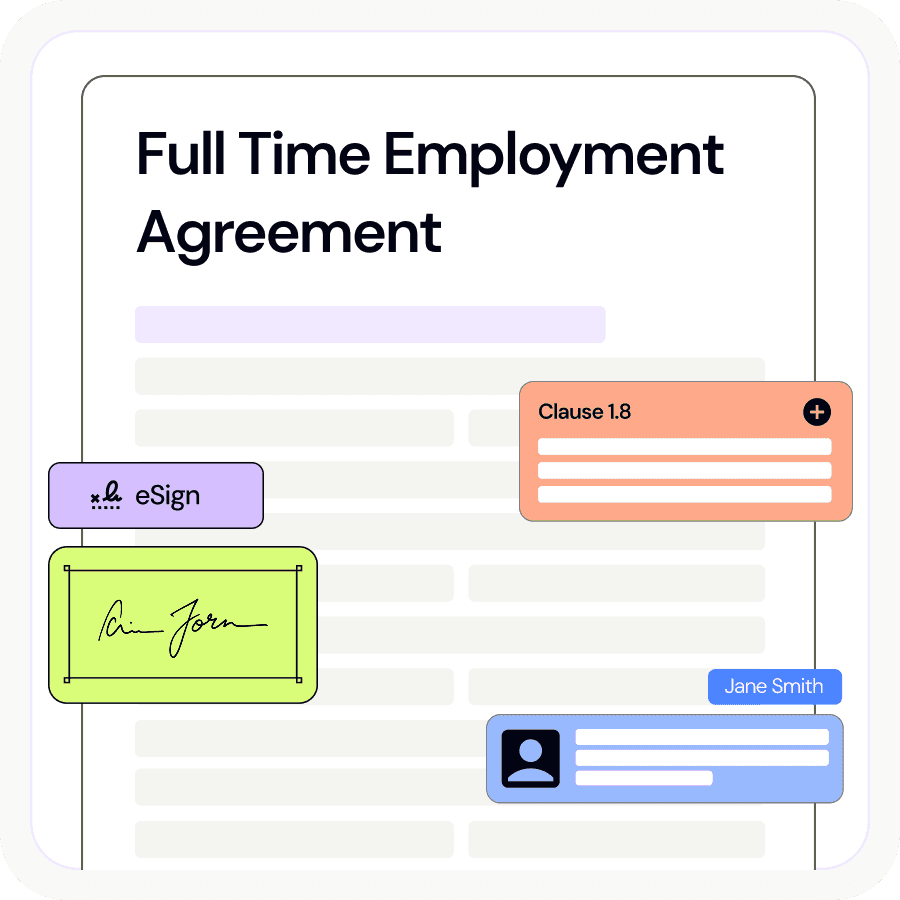
- You and your employer have entered into a written agreement for leave to be taken in advance;
- The agreement states the amount of leave taken in advance and the date on which the leave will commence; and
- The written agreement is signed by both parties.
Your employer will need to keep a copy of the written agreement as part of your employee record.
Negative Leave Policy
If you seek leave in advance, reach out to HR to see if there is a Negative Leave Policy in place.
A Negative Leave Policy may specify requirements such as:
- Permissible reasons for borrowing;
- The number of days that can be borrowed;
- The applicable notice period;
- Who is responsible for approving the request;
- When you are expected to restore your leave balance; and
- The consequences of not restoring your leave balance by the specified date.
Moreover, your workplace may have its own negative leave request template that should be used.
How Does Negative Leave Work?
When an employer approves leave in advance, it works in a similar manner to a loan. The employer is essentially loaning you money equivalent to the amount of time that you are taking off from work.
The loan can be paid back by:
- Allowing time for the negative balance to become positive again; or
- Deducting the leave from your paycheck over a period of time.
Recovery on Termination of Employment
If your employment is terminated before you pay back the leave, your employer will deduct the remaining balance from your final paycheck.
Conclusion
Thus, it’s important to keep track of your leave balance. If you find yourself needing to take leave that may result in a negative balance, reach out to HR. They will be able to guide you through the process of how to request leave in advance. Additionally, they can run through how negative leave is rectified.
If your request for leave in advance is approved, make sure that the agreement is in writing. It’s crucial that the conditions of your leave are made clear so that you don’t run into any issues down the line.