
Based in Sydney, Raja is a law student enrolled in a Bachelor of Laws and Bachelor of Communications (Writing and Publishing) at the University of Technology Sydney. He is passionate about transferring knowledge in relation to businesses, legal advice and marketing direction. Raja has experience working in immigration law and is driven by the writing, editing and publishing process of content.
The legal landscape is changing. As technology reshapes how we live and work, it’s also transforming how we access legal services. Traditionally, getting legal help meant expensive hourly rates, complex processes, and waiting days (or weeks) for answers.
In today’s current technological climate, groups like Lawpath are offering a faster, more affordable alternative, especially for small businesses and startups.
In this article, we’ll compare Lawpath with traditional law firms across key areas, including cost, speed, expertise, and suitability, to help you choose the right legal solution for your needs.
Table of Contents
What is Lawpath?
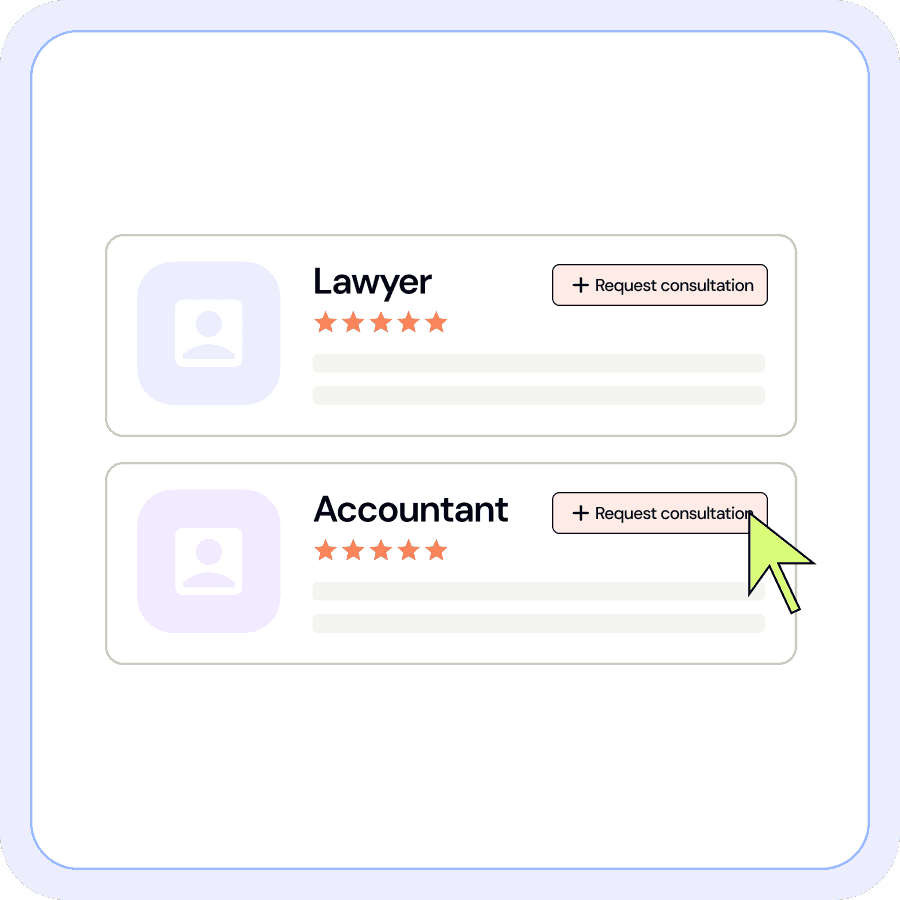
Lawpath is an online legal platform designed to make legal services more affordable, accessible, and efficient, especially for small businesses and entrepreneurs. Through a simple subscription model, you can access and customise over 500+ legal documents, connect with lawyers through a marketplace, receive unlimited legal advice, register trademarks, and manage compliance.
Lawpath is a prime example of how traditional law firms are adapting to the consistently growing change that is dominating our society in regards to technology
In Context of Traditional Law Firms
Traditional law firms offer legal services in a conventional, face-to-face setting.
They typically:
- Operate on an hourly billing or retainer basis
- Emphasise bespoke, highly tailored legal advice Provide support across a broad range of practice areas (corporate law, litigation, estate planning, etc.)
- Rely on formal engagements and ongoing client relationships
- They’re often best suited for complex or high-stakes legal matters, but that depth can come at a cost.
Traditional law firms lack understanding that as the world plunges into the technological world, law firms must too, adapt. In the world of the digitalisation of paperwork and Zoom calls with clients, businesses like Lawpath understand how the law and technology interact with one another.

Pricing and Cost Transparency
Traditional law firms are notorious for charging clients excessively and lacking transparency in their pricing. These firms typically charge by the hour. Bills can vary significantly based on the scope of work, making budgeting difficult.
The predominant use of hourly billing means that even a quick phone call, minor revision, or internal team meeting can add hundreds of dollars to a bill. These costs can quickly spiral, particularly for startups and small businesses with limited budgets.
Lawpath offers upfront pricing, fixed-fee services, and subscription plans. No surprise bills, users know what they’re paying for before they engage. Lawpath flips the traditional models law firms use on its head.
Through a subscription-based platform and fixed-fee legal services, Lawpath makes pricing clear, predictable, and affordable. Whether you’re drafting a contract, registering a trademark, or consulting a lawyer, you’ll know the cost from the outset, no unexpected charges or hourly rate anxiety.
Accessibility and Convenience
Discuss how online platforms like Lawpath provide 24/7 access to documents, legal resources, and lawyer consultations, in contrast to traditional firms that often require in-person meetings during business hours.
This convenience is especially valuable for time-poor entrepreneurs who are juggling multiple responsibilities. For example, a business owner could generate a legally compliant employment contract late at night after hours, review it over the weekend, and send it out Monday morning all without ever needing to meet a lawyer in person.
Lawpath’s integration with communication tools, e-signature platforms, and real-time document collaboration means fewer delays, fewer administrative headaches, and a drastically smoother user experience.
Conclusion
The legal industry is evolving, and Lawpath exemplifies how technology is bridging the gap between affordability, accessibility, and quality legal support. For small businesses and startups navigating limited budgets and tight timelines, Lawpath offers a modern alternative to the costly and rigid model of traditional law firms. While traditional firms still hold value in complex, high-stakes matters, Lawpath is reshaping what it means to get legal help, making it faster, fairer, and future-ready.