Navigating the ins and outs of a commercial or retail lease can be tricky. There are a number of dangerous clauses every business owner should be aware of before signing or renewing their lease. One type of clause tenants should be aware of is a ‘ratchet clause’. This article explains what ratchet clauses are, when they are used and what your legal options are in dealing with them.
What is a ratchet clause?
A ‘ratchet clause’ is a clause in a lease agreement which prevents rent from going down after a rent review has been conducted. Rent reviews are based on current market rates. They can sometimes result in a reduction in rent due to changes in market conditions or the Consumer Price Index (CPI). Ratchet clauses attempt to lock tenants into high rental prices despite changing market conditions or decreasing rents for neighbouring properties.
There are two types of ratchet clauses, the ‘hard ratchet’ and the ‘soft ratchet’. A hard ratchet will never allow for rent to decrease after a review. A soft ratchet, is more tenant friendly and will allow for rent to reduce after review. However, the reduction will never be below the rate at the commencement of the lease (whether it be the initial agreement or a renewal).
When are ratchet clauses used?
There are two types of lease agreements for businesses – retail and commercial. Ratchet clauses are used for commercial lease agreements in NSW. It is illegal to insert a ratchet clause into a retail lease agreement in NSW, under section 18(4) of the Retail Leases Act 1994 (NSW). If you are unsure which type of lease agreement is relevant to your business, you can read our guide on the differences between commercial and retail leases.
The onset of the pandemic will mean that landlords will search for more certainty in rent prices. This could see an increase in the use of ratchet clauses going forward. As a result, it is it vital that you consider how they impact you.
Most commercial leases will give both parties the opportunity to initiate rent reviews. Therefore you should be aware of whether there is a ratchet clause in your agreement before initiating a review or signing an initial lease agreement. As a result of the economic uncertainty created by the COVID-19 pandemic there has been downward impact on the demand for commercial tenancies. This may lead to a fall in market rents. Ratchet clauses limit the ability of business owners to adapt to changes in the market. They could make costs unsustainably high for small and medium sized businesses.
What are your legal options?
If you have signed a lease agreement with a ratchet clause in it, there are still options you can pursue. As mentioned above, ratchet clauses are unlawful within retail lease agreements. If your retail lease agreement contains a ratchet clause you should seek to remove it immediately. If you have a commercial lease agreement with a ratchet clause it is worth establishing whether it is a ‘hard ratchet’ or ‘soft ratchet’. This will put you in a better position if you wish to initiate a rent review. Lastly, prior to signing an agreement we recommend that you try and understand how the presence of a ratchet clause in your lease agreement may impact you going forward.
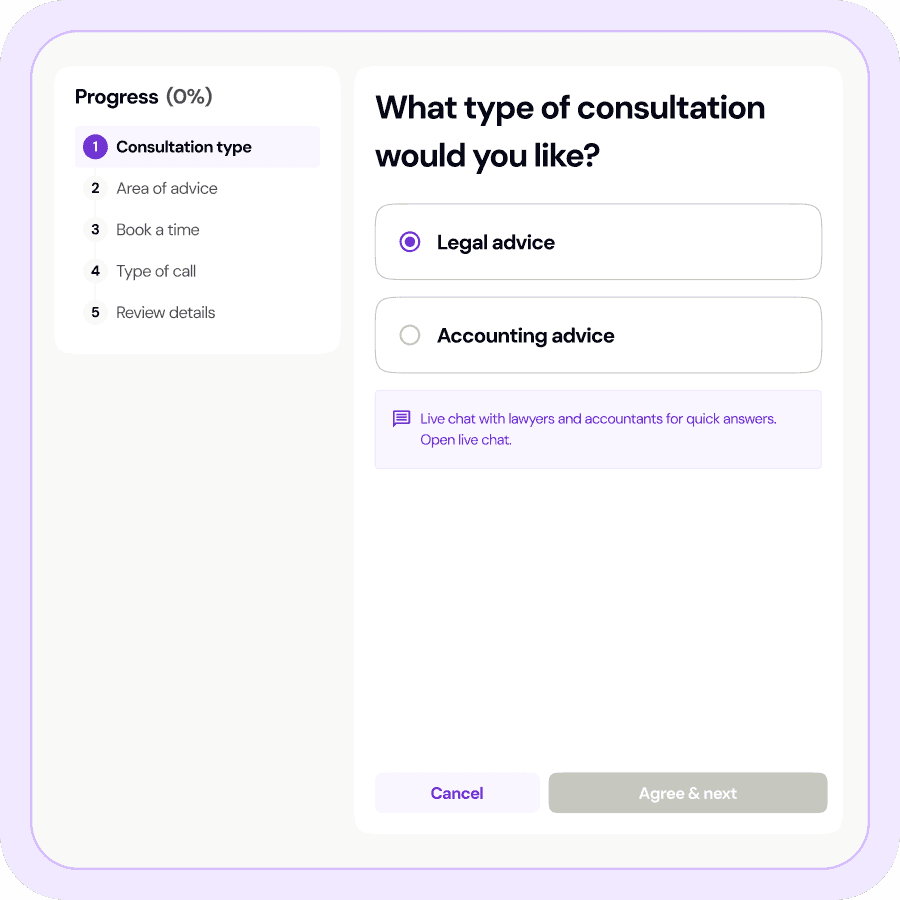
To deal with all of these issues, and any other concerns you may have surrounding your lease agreement we recommend that you get advice from our lawyers.