
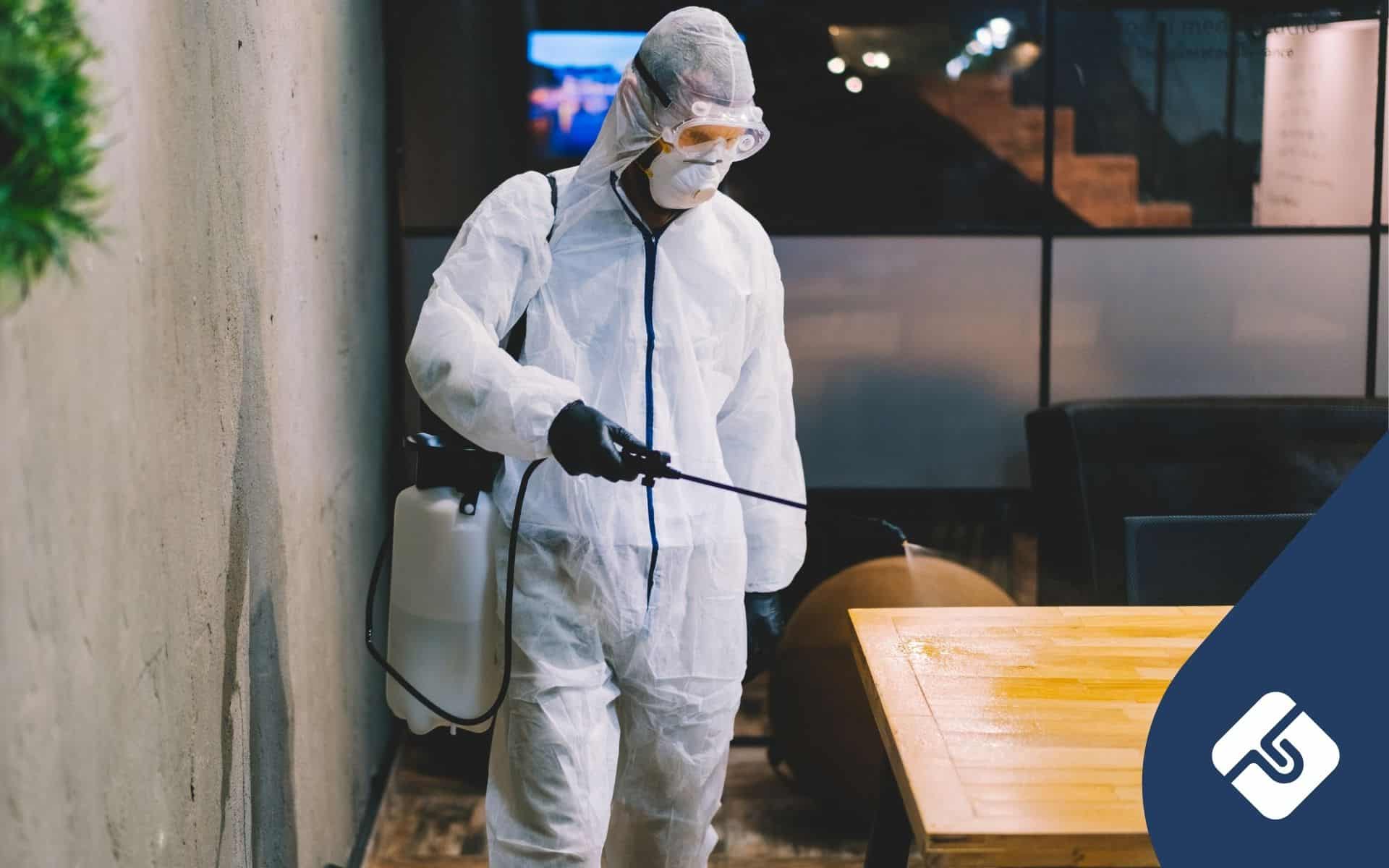
COVID-Safety is a chief concern for businesses operating in the current climate. From a public health perspective, business owners must do their part to ensure their workplace is not a host location for the transmission of COVID-19. Understandably, significant fines for breaches also have business owners very concerned. This article explains what business owners and individuals can do if their workplace is not COVID-Safe, and outlines some steps to improve safety.
What is poor COVID-safety?
While particular restrictions vary on a state-by-state basis, a workplace that is not COVID-Safe suffers from some fairly common deficiencies. These include;
- Poor social distancing – Customers and staff failing to adhere to the well-publicised 1.5m social distancing requirements.
- Ineffective cleaning practices – Failure to sanitise/regularly clean high traffic areas such as kitchens, tables, and bench tops.
- Poor preventative measures – Failure to provide products such as hand sanitiser for staff & customers, failing to implement a COVID-Safe plan, a lack of contact tracing.
- Staff working when sick – failing to implement stay-home policies.
What can I do? (staff & customers)
If you are concerned that your workplace or a workplace you have visited is not COVID-Safe, it is advisable to first consult with relevant employer and/or business owner. In effect, the aim of this is to look to improve workplace practices. If this fails, it is advisable to contact your state’s Workplace Health and Safety Regulator so they can take further action. Contact information for these regulatory bodies is found here.
What can I do? (employers)
If a case/suspected case of COVID-19 visits your workplace, there are some clearly defined measures to take. There are also well-defined measures that minimise risks.
What if there’s a case or suspected case in the workplace?
The steps that you as an employer or workplace manager must take are as follows;
- Isolate the person/suspected person.
- Ensure that person is transported home to self-isolate. From there, they can seek treatment.
- Clean and disinfect your workplace to remove risk of transmission
- Identify and inform people close to that person
Above all, employers should not act alone. Employers can seek advice and notify health authorities via their state/territory helpline, available online here.

Find legal documents, information, and the latest updates on our COVID-19 resource page.
Keep up to date with the latest information and policies to help manage your business.
Browse nowWhat can I do to minimise risks?
Key measures businesses may take to minimise the risks of COVID-19 include;
- Impose working-from-home arrangements – Providing staff with the ability to work from home reduces the risk of workplace transmission. However, working-from-home is evidently not possible for all businesses.
- Social Distancing – There are strict social distancing requirements in the workplace and in public imposed by state governments. Visual aids and active management of workplace capacity & staff movements will assist with compliance.
- Staff hygiene – Employers should ensure they provide ample facilities for staff to maintain the highest hygiene requirements. This may include providing hand sanitiser and/or face masks for staff use.
- Cleaning – All areas (but particularly public areas) should be regularly cleaned.
- Monitoring symptoms – Employers should look out for key signs of COVID-19 in their employees. These may include high temperature (fever), a dry cough, and general tiredness. Tools such as temperature checkers assist with this.
- Create a COVID-Safe Plan – Not only is this a legal requirement in some states, but it is an effective measure for planning for the worst.
Further informative checklists to assist in workplace COVID-Safety are located on the SafeWork Australia website. Lawpath also has a Return to Workplace Policy that clearly outlines employee rights and obligations when returning to the workplace.
Key Takeaways
- Employees: If your workplace is not COVID-Safe, consult with your employer, or notify state health authorities.
- Employers: If you are looking to improve your COVID-Safety, look to implement some of the above steps. Alternatively, contact your state/territory’s helpline for more information.






