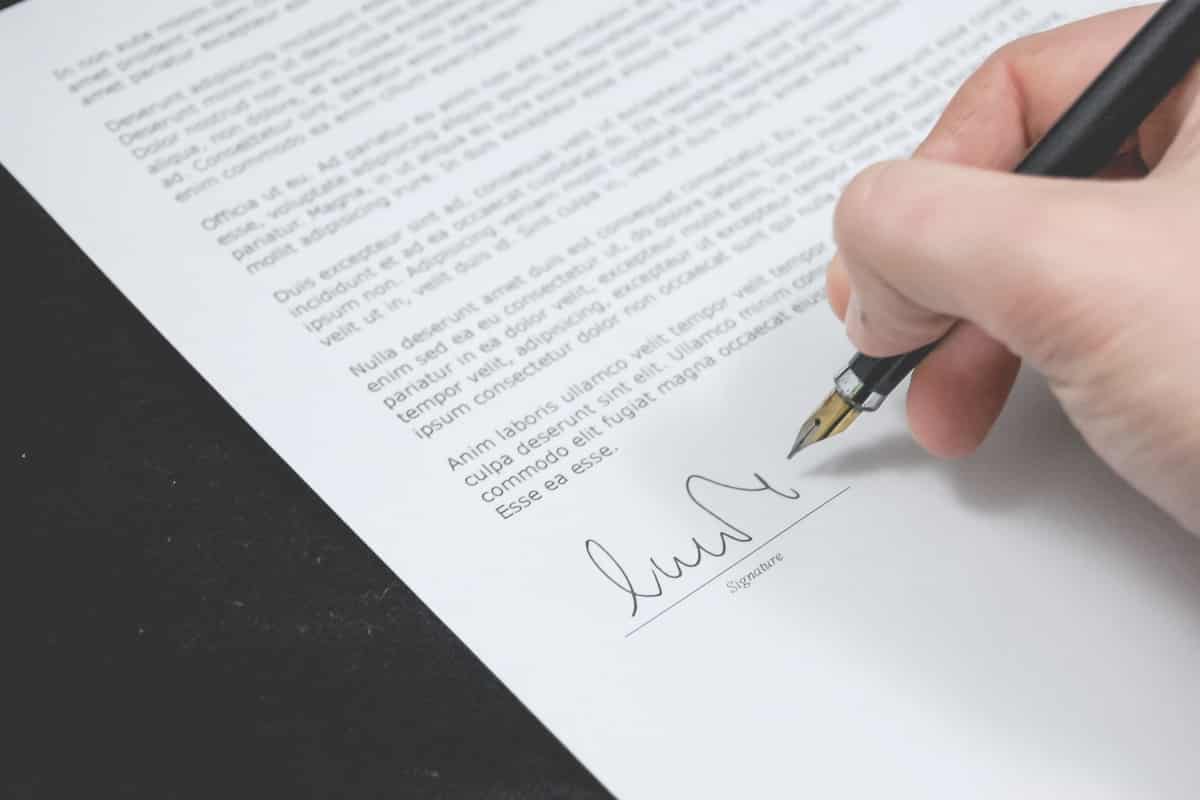
Employment agreements can be simple or complex. It all comes down to what your business needs. In both cases, there are some things that you should always include in an employment agreement. These things will make sure that employers and employees all understand their duties and obligations as clear as day. Some things are fairly simple but often missed. Others are a little more complicated. At the end of the day, they might even help resolve workplace issues too!
The following list is just a guide and there are lots of other things that should be included in employment contracts. Employment contracts can be written by the employer. It is always a good idea to seek legal advice, however, just to make sure that all the relevant laws are followed. For example, all employment agreements must follow the National Employment Standards.
1. Employment Agreement Basics
Even the absolute basics are important in an employment agreement. The basics include:
The full name of the employee. The full name of the employee must be correct and double-checked. It shouldn’t be their nickname either.
The address of the employee. This allows you to better identify the person working for you. There might be lots of John Smith’s out there, so you’ll want to make sure that the one working for you is the right one.
The address of where the employee will be performing their duties. For most people, this will be an office or a factory or something similar. Sometimes this is a little difficult to pin down, especially if the job involves a lot of travel. If this is the case, then this can be outlined in the contract too.
Title of position. This will be the most crucial feature of an employment agreement. The position title will also contain an outline of the roles and responsibilities that are expected of somebody in that position. For example, if your position is ‘cashier’ at your local grocer, you might be expected to serve customers. You might also be expected to stock shelves on top of this. A general guide of such responsibilities should be provided in the agreement.
2. Time
Date of commencement. The date that the employee is to start should be clearly stated.
Expected work time. This will depend on whether the employee is working full-time, part-time or is casual. You may also include the expected work hours. Keep in mind that expected hours should not exceed the maximum work hours and can also consider average weekly work hours if you prefer flexibility.
3. Pay
Pay period. Employee payment frequency should be included in the contract. This is usually weekly, fortnightly or monthly.
The pay amount. An employment contract should explain how much they’re paid and also how it’s calculated.
4. Policies
Company policies. Your employment agreement should include what policies you undertake. For example, you may have an anti-discrimination policy. This should be included in the contract so that everyone is aware of appropriate workplace behaviour. Most businesses have a workplace harassment policy and a drugs and alcohol policy too.
5. Employment Agreement Special Arrangements
In your employment agreement, you may want to include some special arrangements. These arrangements are necessary for employment contracts so that employees are aware of what they can and can’t do within and sometimes outside of the business.
Probationary periods. If you’re not sure about a potential employee then you might put them on probation. Probation tends to last one to three months and allows employees to settle better suit their jobs with appropriate training.
An exclusivity clause is a part of a contract that essentially does not allow a person from working for another business. Some businesses use this, especially when hiring an expert.
A non-compete clause stops an employee from starting a similar business. Businesses that employ experts often use this. You may want to set out the geographical area and length of time for such a clause. This will stop employees from using your knowledge of the industry to start their own business in your area and compete with you for your hard-earned business.
Conclusion
Employment agreements are important in setting out the rights and responsibilities of both the employers and the employees. If you’re writing your own, always check to make sure information is correct. Make sure everyone signing the agreement has enough time to read it and understand it too. Once it is signed by everyone, keep it in a safe place. Now your agreement is ready to go and everyone can get to work!