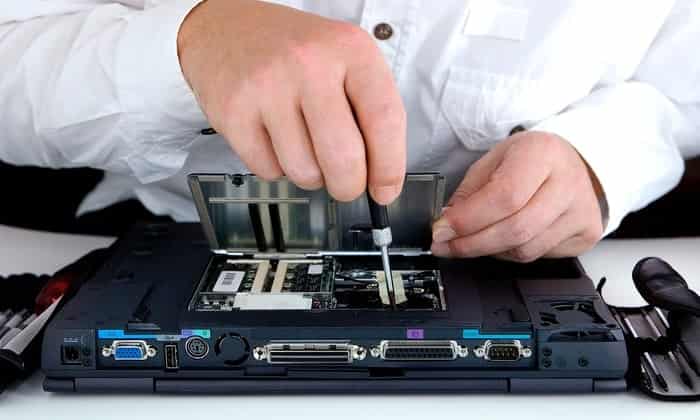
With the rapid rate that technology is evolving, there will always be a demand for electronic repairs. Accordingly, it’s the best time to begin planning your business. Opening an electronic repairs business can be both a rewarding and extremely profitable venture. Below, we break down how you can do this.
Educational training
There are numerous options available for how you can attain your education in electronic repairs. A Certificate III and Certificate IV in Electronics and Communications will provide you with various necessary skills in repairing electronics. Alternatively, numerous university degrees are available both online and in person.
Australian Business Number (ABN)
To run a business, you require an ABN. However, registering for an ABN is usually a straightforward process. As your business will be a small-business, we recommend the ‘company’ option.
Find the perfect location
You want to ensure that you’re opening your business in a location that’s going to be successful. Due to the prevalence of electronics in the modern workforce, opening your business close to a prominent business area is recommended. Therefore, in addition to personal clients, businesses may contact you for their large-scale issues. The more clients your business has, the more successful it will be.
Bookkeeping
Understanding all the different financial aspects of your business can be difficult. As you’ll be busy repairing electronics, you’re naturally not going to want to spend your time learning how to manage finances. You’re able to keep accounting expenses down through a platform such as Xero, as long as you file your receipts. This ensures that your business is able to obey the relevant taxation laws whilst maximising profits for your business.
Acquire customers
Once your business is up and running, the first thing you need is a regular client base. To maximise your client list, we recommend advertising to ensure your business is out there. Whilst your method of advertising will depend on your budget and geographic location, we recommend the following methods:
- Newspapers.
- Billboards.
- Flyers.
- Google/Facebook ads.
Through these methods, you can ensure that your business is well-known. Thus, you’ll be more likely to receive new clients.
Final thoughts
In conclusion, opening your own electronics repair business can be an exciting and fruitful venture. With the right planning and execution, long-term success is very likely. Whilst there will likely be hurdles along the way, through time and effort your business is likely to succeed. For further enquiries or questions, a business lawyer may be able to assist.