Introduction
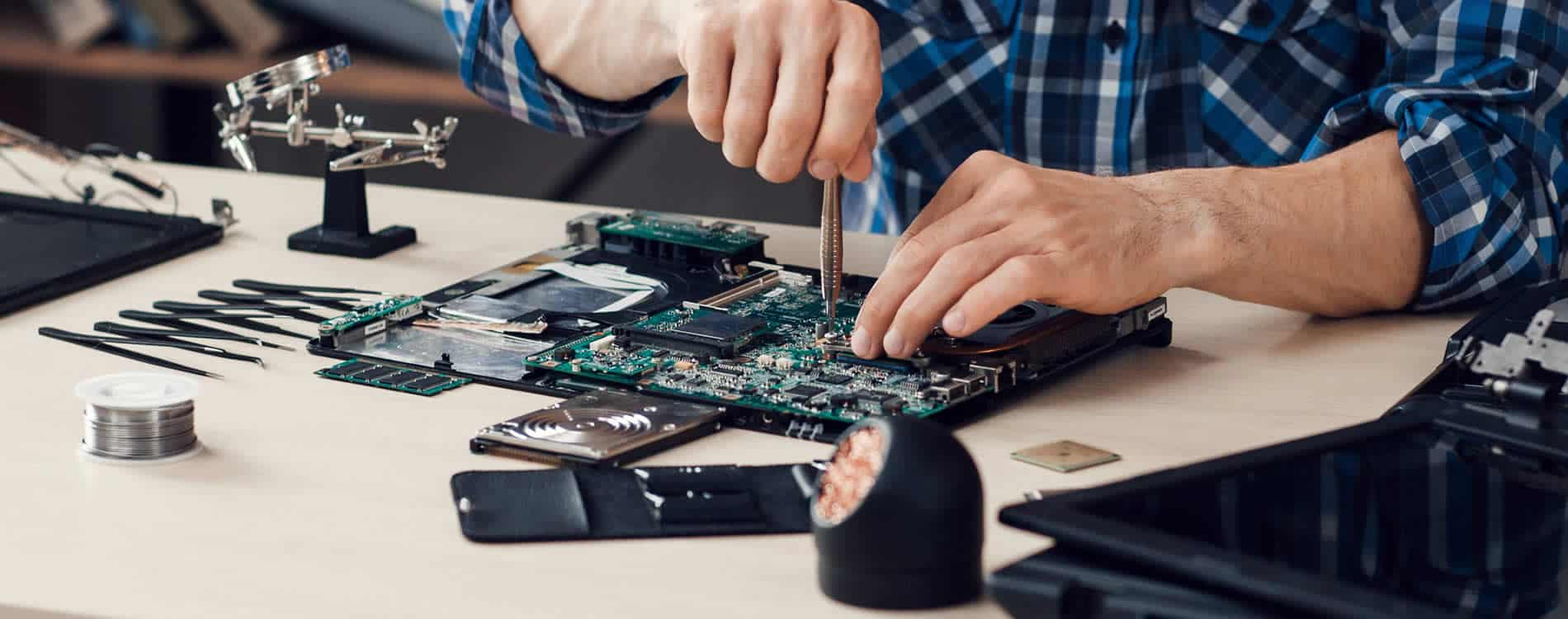
If you are a tech wiz then you could turn your passion for technology into a successful business. Starting a computer repair business has a lot of potential since most individuals own a computer. Also, with the unfortunate rise of computer viruses, your services will always be in demand. It is, however, important to note that while you have the technical skills to repair computers, this will not necessarily translate into a successful business venture. You must also be a business owner that plans ahead and is constantly keeping track of the business’s financial status. Read on for tips on how to excel at starting a computer repair business.
You can also check out our online guide for more lucrative business ideas.
Get Certified
It is important that you have the right skills and knowledge to provide computer repairing services. This will make your business appear more legitimate and trustworthy. Some of the certifications that you may gain include Microsoft Certified Systems Engineer (MCSI) and BICSI Technician.
Create a Business Plan
Before making any financial commitments, you need to sit down and set a solid business plan. This will force you to think about your goals and expectations of the business. Some of the questions that you will need to ask yourself include:
- What kind of services will my business be providing?
- Will I be hiring additional staff?
- Will I be located from home or at an office?
- Where do I want my business to be in five years?
Register Your Business
The next step is to get the business registered. Choosing your business structure will be critical in this journey. Spend time researching the differences between a sole trader and a company. Each business structure has its perks so choose the structure that suits your financial capabilities and vision for the business. Once this decision is made you will need to register for an Australian Business Number. This will allow you to trade within Australia. If you opt in for a company structure you will also need to register for an Australian Company Number.
Marketing
Marketing your business is amongst one of the most important steps in the establishment phase. You want people to know about your business. The more visible you are the more clients you will get. Sending out brochures, creating social media pages and starting your own website are among some of the ways that you can market your business.
Build Relationships
As a computer repair business, you will need to invest money into purchasing necessary equipment. Spend time researching and building relationships with software and hardware vendors to get the best products in the market.
Keep Up With the Trends
Since technology is not a stagnant field, it is critical that you keep yourself updated with developments in software, hardware and new threats. Spend time researching technological changes and, if necessary, attend seminars.
Conclusion
As seen from above, starting a computer repair business is a lot of work. But, like any other business venture, it is likely that you can make a lot of money fast if you plan ahead. If you are ready to take the plunge then we are here to help. Speak to one of our start-up lawyers for support.