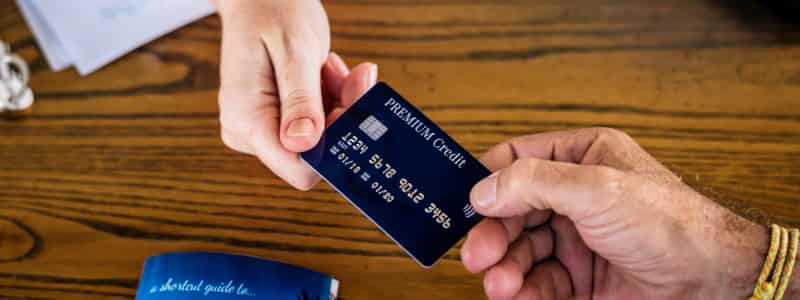
If you are buying or selling goods in NSW, you will be impacted upon by the Sale of Goods Act 1923 (NSW). However, it can be unclear what your obligations under the Act are, and whether it applies to your commercial transactions. Read on to find what you need to know about the Sale of Goods Act and how it affects your business.
What Is the Sale of Goods Act?
The Sale of Goods Act is legislation that acts to protect parties in commercial transactions in NSW. Each state has its own version, so if you conduct business in multiple states, your duties will be different. Due to the Australian Consumer Law, the Sale of Goods Act primarily impacts business to business transactions. However, in some circumstances it still affects business to consumer transactions.
When Does It Apply?
The Act will apply if the following requirements are met. Firstly, there must be a contract of sale. In regards to this requirement it can either be the immediate sale, or an agreement to sell. Secondly, there must be a transfer of goods. A transfer means that the goods become unconditionally the property of the buyer, meaning that leases are excluded. Goods are ‘tangible’ things, meaning that land, intangible property and services are not affected by the Sale of Goods Act. Thirdly, there must be monetary consideration, which means the goods are being sold for money.
How Does It Affect Me?
The Sale of Goods Act, if relevant, will impact upon the way your transactions are carried out. Most of the obligations arising out of the act, have to do with the contract’s formation and effects, as well as obligations regarding the performance of the sales contract. Furthermore, the Act also grants you various rights if you are unpaid for the goods you have sold. Most of the time, the Act will not impact your day to day transactions. However, given the consequences of a breach of the Sale of Goods Act, you need to understand what your duties are. Given that your duties depend upon your situation, it is best to get into contact with a lawyer, who can provide you with relevant advice for you.
Can I Exclude the Sale of Goods Act?
In certain situations, you will be able to exclude the Act from impacting upon your sale of goods. You can choose to exclude it by expressly agreeing to contract out of it with the other party. Furthermore, you can also exclude through your business dealings with the other party. Finally, if it is common practice in your industry, then the Act will not affect your transactions. Keep in mind, that you will generally be unable to exclude it from operating if you are selling to private consumers.
Conclusion
Therefore, the Sale of Goods Act is an important law that will impact upon your business’s transactions of goods. The Act will give you various rights and obligations so it is important to know about it to better inform yourself about your duties under the law.
Want to know more about how this affects you? Contact a LawPath Consultant on 1800 529 728 to learn more about customising legal documents and obtaining a fixed-fee quote from Australia’s largest legal marketplace.