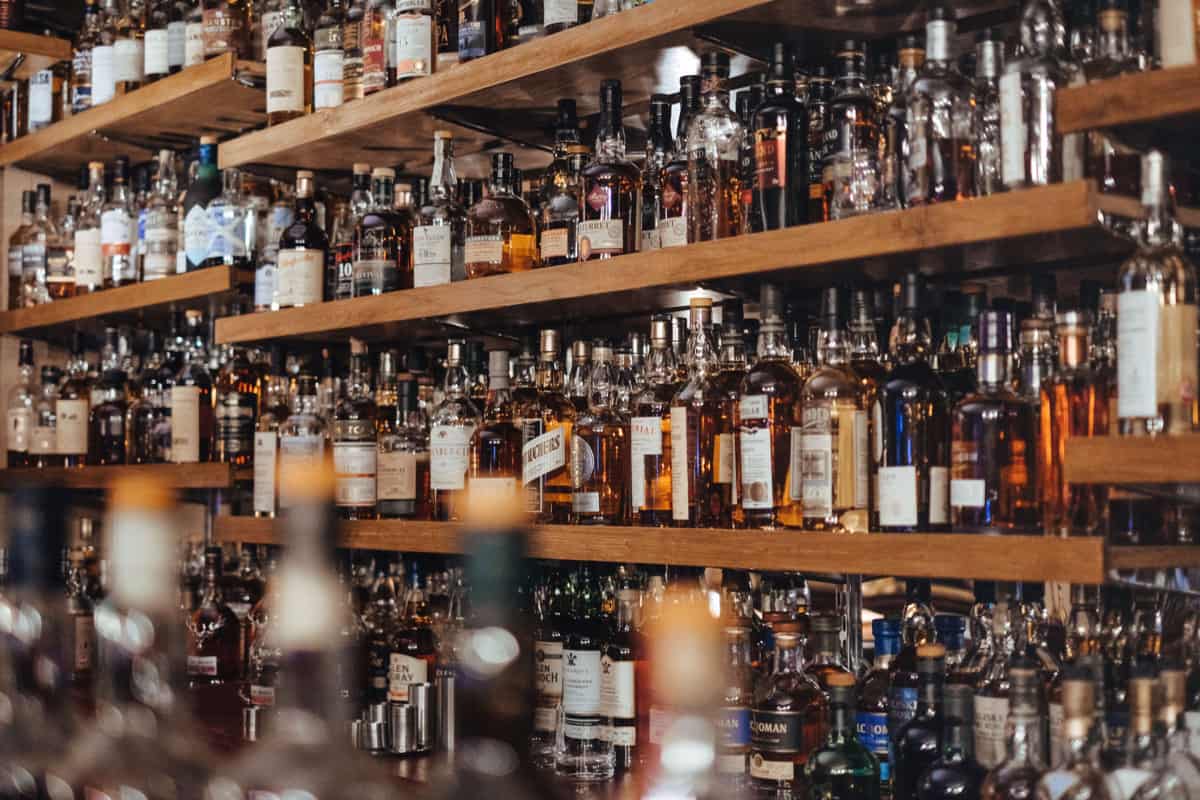
As social media platforms continue to introduce business functions, you no longer need a physical store to operate a successful business. However, when it comes to selling alcohol or liquor, you must have a licence to sell your products online. In this article, we explain what licence you need to sell liquor online, how to apply for it, and other important considerations relating to your online liquor business.
What is a packaged liquor licence?
A packaged liquor licence enables you to sell alcohol to the public and consumed away from the licensed premises. Businesses that sell alcohol online, through mail order, home delivery, supermarkets and bottle shops often use a packaged liquor licence. Additionally, the licence allows you to provide taste-testing services on the premise and sell alcohol to employees who can consume off-premise.
In NSW, several liquor licences may apply to your business. To read a condensed guide to these liquor licences, see here. Furthermore, we also recommend that you check here to find out which liquor licence best applies to your business.
How do I apply for a packaged liquor licence?
To apply for a packaged liquor licence, click here. If you are the applicant, you must:
- be 18 years or over;
- not have had a liquor licence suspended or disqualified; and
- provide the necessary documentation as outlined here. Documents may include details of the proposed licensee, the premise and the business owner, an ABN and evidence of a Responsible Service of Alcohol (RSA) qualifications.
Is there a licence fee?
Usually, yes.
Due to COVID-19, new applications and renewals lodged from the 20th April 2020 to the 19th April 2021 will have their fee waived. According to Service NSW, these new applications and renewals must only have three or fewer outlets owned by the same licensee or business.
Can my businesses apply for a packaged liquor licence?
According to Liquor & Gaming NSW:
- takeaway food shops;
- service stations;
- self-storage facilities; and
- general stores*
are not permitted to have a packaged liquor licence.
*General stores include convenience stores, mixed business and ‘milk bars with a retail floor area of 240 square metres or less and used primarily for the sale of groceries.’ To read more about this, see here.
What if my business sells other products and services?
Business, conducting activities other than selling alcohol, are required to sell the alcohol in a separate area. For instance, you will usually see this when you visit the supermarkets such as Coles or Woolworths. The alcohol sales area, operated by Dan Murphys and BWS, are located near the entrance or exit of the supermarket.
Am I allowed to sell alcohol 24/7?
No.
Standard trading hours for business using a packaged liquor licence are 5 am – 12 am from Monday – Saturday and 10 am – 11 pm on Sundays. You are not permitted to open on Christmas Day or Good Friday under the licence. However, you are allowed to operate 5 am – 10 am on Sundays (extended hours).
All liquor licences have a mandatory 6-hour closure period from 4 am – 10 am each day.
Need further assistance?
Obtaining a licence to operate an online liquor business is imperative. You must ensure that you have successfully applied for all of the relevant licences. Suppose you seek further assistance about your packaged liquor licence or anything relating to your online liquor business. In that case, we recommend that you seek help from our lawyers.
Helpful articles
Below, we have also provided some helpful articles that may be relevant to running a business that handles alcohol: