
Deed of Indemnity for Directors
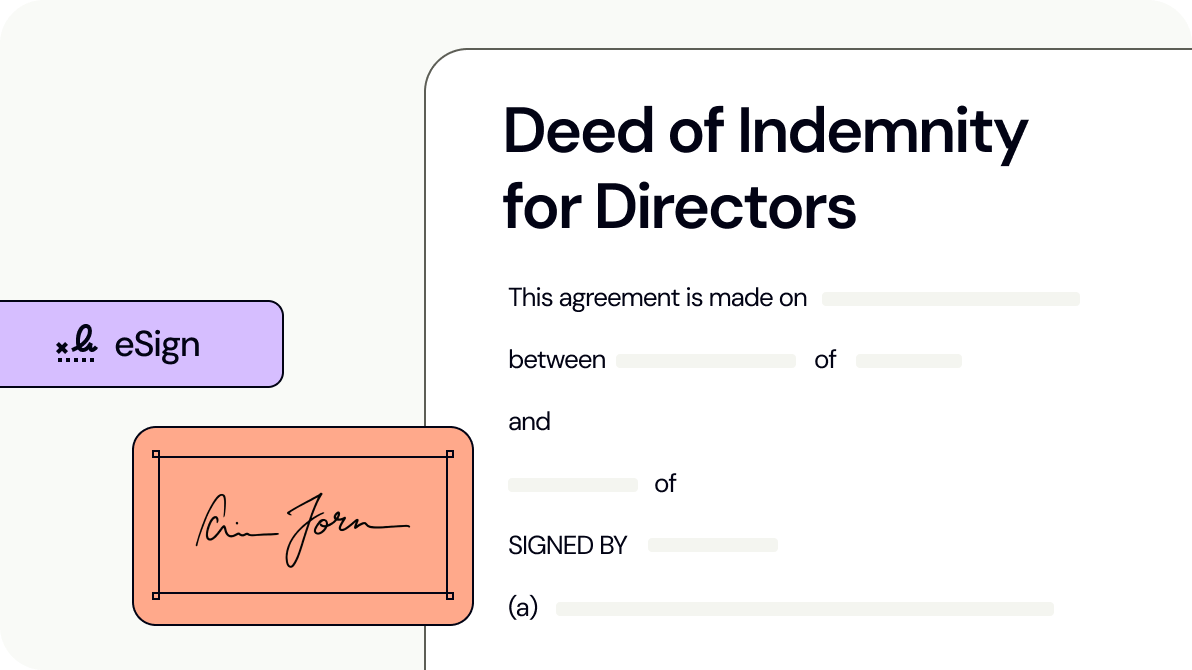
A Deed of Indemnity for Directors is a legal agreement between a company and a company director or company officer.
Last updated February 24, 2025
Suitable for Australia
Create & Customise Legal Templates Online
What is a deed of indemnity for directors?
What is a deed of indemnity for directors?
A deed of indemnity for directors is a legal agreement in which a company promises to cover certain liabilities and legal costs a director or officer incurs while performing their role.
It is a private contract between the company and the director, signed as a deed, and it is optional rather than required by law.
When should a company use a deed of indemnity for directors?
When should a company use a deed of indemnity for directors?
Use one when a director or officer wants clear protection for legal costs or claims arising from their role, such as when a new director joins or someone accepts a resident, nominee or non-executive role. Those directors often ask for one first.
A Director Agreement and Consent to Act as Director usually sit alongside it.
What should be in a deed of indemnity for directors?
What should be in a deed of indemnity for directors?
It should include the indemnity clause, details of the liabilities and costs covered, any amounts owing to the director, insurance provisions, and the director's rights, powers and remedies.
It should also say it applies only to the extent the law allows, so prohibited liabilities are carved out rather than left in as unenforceable promises.
How to create a legal document
- check_circle
Access the Document Library
- check_circle
Select the template that matches your needs
- check_circle
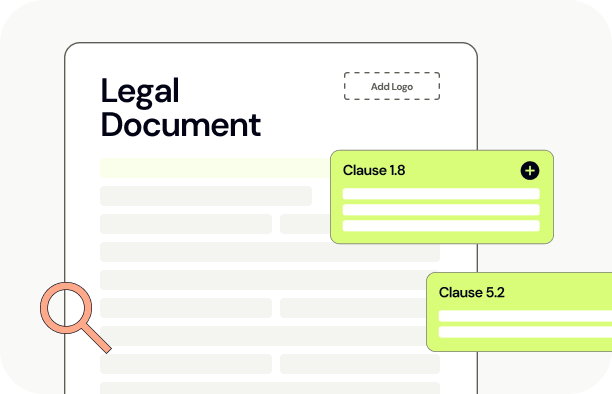
Customise by adding or removing clauses with assistance from Lawpath AI
- check_circle
Personalise with your headers, footers, logos, or additional text
- check_circle
Store all documents securely in your account for easy access
Frequently asked questions
What key protections does a deed of indemnity for directors offer?
keyboard_arrow_upCan a deed of indemnity for directors cover all types of liabilities?
keyboard_arrow_upCan a deed of indemnity for directors pay legal costs before a case ends?
keyboard_arrow_upDoes a deed of indemnity for directors protect former directors, and how is it different from the constitution?
keyboard_arrow_upHow does a deed of indemnity for directors interact with director's insurance?
keyboard_arrow_upDo shareholders need to approve a deed of indemnity for directors?
keyboard_arrow_upWhat are the financial risks for the company under a deed of indemnity for directors?
keyboard_arrow_upWho needs to sign a deed of indemnity for directors, and why must it be a deed?
keyboard_arrow_upWhat steps should be taken after signing a deed of indemnity for directors?
keyboard_arrow_upHow much does a deed of indemnity for directors cost, template versus a lawyer?
keyboard_arrow_upView Sample Deed of Indemnity for Directors

The Legal Risk Score of a Deed of Indemnity for Directors Template is Medium
Our legal team have marked this document as medium risk considering:
- The document places significant financial obligations on the Company, including covering various liabilities, costs, and expenses which could impact the Company's financial stability if claims are substantial.
- The document must be signed as a deed in order to be effective.
Users familiar with such documents should carefully consider the potential financial and operational impacts on the Company before proceeding, ensuring it aligns with their risk management strategies and corporate governance standards.
Meet Our Users
Articles about Deed of Indemnity for Directors

A Guide to Understanding Indemnity Clauses With Examples
Learn about indemnity clauses, what they are, how they operate, and how it impacts your business or employees.

Everything Company Directors Should Know About Liabilities
Liabilities of directors can take many forms. What if you could avoid being personally liable when things go wrong? Find out all the details.

Indemnity Clause: What Are They and Should I Use Them?
An indemnity clause is a legally binding promise in which one party undertakes to accept the risks of loss or damage that another party may suffer.

6 Key Duties of Company Directors in Australia
All company directors in Australia have to abide by directors duties as outlined in the Corporations Act. Find out more here.

What is a Deed and How Do You Execute One?
Knowing what a deed is and how to execute one can be vitally important for any business owner or individual alike. Read on here.

What is Indemnity Insurance?
How to Protect Your Business from Potential Legal Action.

When Directors Are Liable for Company Debts
Are you a company director? Here’s when you’ll be liable for company debts.

'Safe Harbour Principle': How It May Affect You
The Safe Harbour Principle means that directors are now protected when they take actions to revive their insolvent company.

How to Deal with Director Disputes in Your Company
Director disputes are highly common. They can significantly impact the workplace and a company's performance. Here are some ways to deal with them.
Looking for more documents?
Privacy Policy
A Privacy Policy outlines how your business will use, store and collect your customers' information. A Privacy Policy is required by law in certain circumstances.
Loan Agreement
This Loan Agreement can be used by lender when offering a loan to a Borrower.
Non-Disclosure Agreement (Mutual)
A Non-Disclosure Agreement (Mutual) allows you and another party to share confidential information while legally forbidding either party from disclosing that information to any other person or entity.
Non-Disclosure Agreement (One Way)
A Non-Disclosure Agreement (One Way) allows you and another party to share confidential information while legally forbidding the other party from disclosing that information to any other person or entity.
Employment Agreement (Casual)
This Employment Agreement (Casual) is suitable for casual employees in any industry. This agreement is essential when hiring new casual employees for your business.
Business Sale Agreement
A Business Sale Agreement is used to clearly set out all relevant terms of the sale when selling or buying a business.
Contractor Agreement (Individual)
The Contractor Agreement (Individual) allows you to hire a contractor that is an individual (ie. not a company).
Shareholders Agreement
A Shareholders Agreement allows you to clarify the relationship between shareholders of your company.