
NDIS Complaint Policy
This NDIS Complaint Policy is designed to be used by providers of NDIS-funded services to outline the provider’s complaint management procedure.
Last updated April 1, 2025
Suitable for Australia
Create & Customise Legal Templates Online
What is a ndis complaint policy?
What is a ndis complaint policy?
When should you use a ndis complaint policy?
When should you use a ndis complaint policy?
What should be in a ndis complaint policy?
What should be in a ndis complaint policy?
How to create a legal document
- check_circle
Access the Document Library
- check_circle
Select the template that matches your needs
- check_circle
Customise by adding or removing clauses with assistance from Lawpath AI
- check_circle
Personalise with your headers, footers, logos, or additional text
- check_circle
Store all documents securely in your account for easy access
Frequently asked questions
Who can use this policy template?
keyboard_arrow_upDoes the policy address the needs of people with disabilities?
keyboard_arrow_upWhat are the main protections for service recipients?
keyboard_arrow_upAre there any financial risks for clients?
keyboard_arrow_upHow strict are the cancellation and no-show terms?
keyboard_arrow_upWhat should I do before using this policy?
keyboard_arrow_upIs this policy valid in all parts of Australia?
keyboard_arrow_upView Sample NDIS Complaint Policy
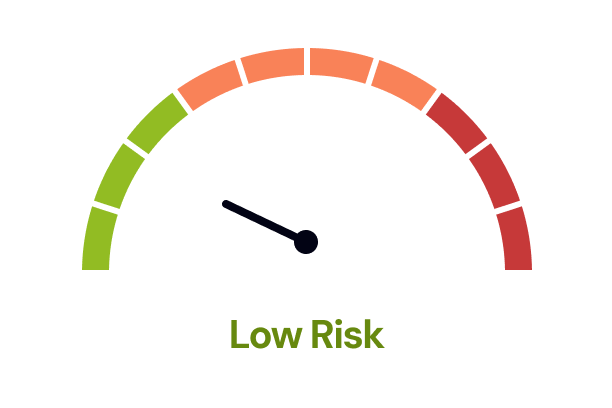
The Legal Risk Score of a NDIS Complaint Policy Template is Low
Our legal team have marked this document as low risk considering:
- There is a financial risk involved as clients may be charged a full session fee if they fail to cancel within the specified notice period or do not show up for an appointment.
- Clients might face unexpected charges if the funding body, such as NDIS, rejects the cancellation charge, as the financial responsibility then shifts directly to the client.
- The policy allows for charges in cases of short notice cancellations or no-shows without exceptions listed for reasonable but unforeseen circumstances, except in vaguely defined "exceptional circumstances."
Overall, this document presents a risk level due to its clear but strict cancellation fees and potential financial implications for clients. Users should be aware of the specific conditions under which they might incur charges and consider whether they can consistently meet the cancellation requirements. This awareness and understanding are crucial in managing the risks associated with agreeing to this policy.
Meet Our Users
Articles about NDIS Complaint Policy

Ultimate Guide on How to Start an NDIS Business
If you want to learn how to start an NDIS business today, this ultimate guide is all you need. Read along to find out.

Legal Documents for NDIS Businesses & Why You Need Them
Legal documents for NDIS businesses are important to ensure that people living with disabilities get the appropriate assistance.

Non-Disparagement Clauses: Protect Yourself?
Want to shield yourself from bad feedback about your business? Learn about non-disparagement clauses and why you should not use them.

Lawpath in SMH & The Age on New Privacy Laws
New privacy laws are bound to affect your business and how it handles information. Read about what these laws means for you here.

The Lawpath Blog
Stay up to date with legal concepts, tactics and strategies for your business

How to Create a Privacy Policy (2025 Update)
A privacy policy informs website users how you will handle their information. Find out how to create a Privacy Policy here.

Telecommunication Outages: What Businesses Should Consider
Have internet or phone outages impacted your business? Find what rights and options are available to you.

Australia's New Privacy Laws
On 12 March 2014 the Australian Government introduced new privacy laws known as the Australian Privacy Principles (APPs).
Why Do You Need a Privacy Policy?
If you're running a website for your business, it's likely that you'll need a privacy policy. Find out why they're so important here.
Looking for more documents?
Privacy Policy
A Privacy Policy outlines how your business will use, store and collect your customers' information. A Privacy Policy is required by law in certain circumstances.
Loan Agreement
This Loan Agreement can be used by lender when offering a loan to a Borrower.
Non-Disclosure Agreement (Mutual)
A Non-Disclosure Agreement (Mutual) allows you and another party to share confidential information while legally forbidding either party from disclosing that information to any other person or entity.
Non-Disclosure Agreement (One Way)
A Non-Disclosure Agreement (One Way) allows you and another party to share confidential information while legally forbidding the other party from disclosing that information to any other person or entity.
Business Sale Agreement
A Business Sale Agreement is used to clearly set out all relevant terms of the sale when selling or buying a business.
Shareholders Agreement
A Shareholders Agreement allows you to clarify the relationship between shareholders of your company.
Services Agreement (Pro-Supplier)
This Services Agreement (Pro-Supplier) sets out the relationship between you, the service provider, and the business receiving the services. This version of the Services Agreement is drafted in favour of the supplier from a commercial and legal perspective.
Discretionary Trust Deed
A Discretionary Trust Deed is used to establish a discretionary trust in any state or territory in Australia.